

Understanding the phenol chemical peel experience
Discovering the World of Deep Phenol Peels
For those who cherish the transformative power of luxury skincare, the phenol chemical peel stands as one of the most advanced and intensive treatments available. This deep peel is often chosen by individuals seeking dramatic improvements in skin tone, texture, and the appearance of deep wrinkles. Unlike lighter chemical peels, a phenol peel penetrates the skin’s layers with remarkable depth, making it a preferred option for addressing severe sun damage, deep facial wrinkles, and even certain cases of pre-cancerous skin lesions.
The procedure is typically performed by a board-certified plastic surgeon or dermatologist, ensuring the highest standards of safety and expertise. The full face phenol chemical peel is not a casual treatment; it is a significant commitment, often compared to surgical interventions like a breast lift or other plastic surgery procedures in terms of recovery and results. The effects are long-lasting, with many patients seeing visible improvements that endure for years after the initial treatment.
In the world of luxury cosmetics, phenol peels are considered the gold standard for those who want to turn back the clock on aging skin. The treatment is especially effective for year female clients with fair skin, as it can even out skin tone and diminish deep wrinkles that other peels or topical products may not address. However, it is not suitable for everyone, and a thorough consultation is essential before proceeding.
For a closer look at how luxury beauty experiences can elevate your self-care routine, explore this view into refined beauty at a luxury nail salon. While a phenol peel is a more intensive journey, it shares the same commitment to excellence and transformative results that define the best in luxury skincare.
- Phenol chemical peels are used for deep facial rejuvenation
- They can treat deep wrinkles, sun damage, and certain skin cancers
- The procedure is often performed in a clinical setting by a plastic surgery specialist
- Results are dramatic, with before after cases showing significant improvement
- Recovery is longer compared to lighter peels, but the benefits can last for years

Preparing your skin for a phenol chemical peel
Setting the Stage for a Transformative Phenol Peel
Preparing your skin for a phenol chemical peel is a crucial step that can influence both the safety and the final outcome of your treatment. This deep peel is not like lighter chemical peels; it penetrates the skin’s layers to address deep wrinkles, sun damage, and uneven skin tone, especially on the full face. The preparation phase is about more than just the hours before your appointment—it often starts weeks in advance.- Consultation: A thorough case review with a board-certified plastic surgery specialist is essential. They will assess your skin type, medical history, and any previous peels or procedures, such as breast lift or facial surgery. This helps to minimize risks, especially for those with a history of skin cancer or sensitive skin.
- Pre-treatment skincare: Your provider may recommend a tailored regimen, including gentle cleansers and prescription creams to prime the skin. Avoiding harsh exfoliants and certain active ingredients is key to reducing irritation before the deep peel.
- Sun protection: Consistent use of broad-spectrum sunscreen is non-negotiable. Sun exposure can increase the risk of complications and uneven results after a phenol peel.
- Medication adjustments: Some medications, especially those affecting healing or increasing sensitivity, may need to be paused. Always follow your provider’s advice for the safest experience.
- Arrange support: Since recovery can be significant, plan for time off work and help at home, especially in the first few days after the procedure. This is particularly important for year female patients balancing busy schedules.
The procedure: what happens during a phenol chemical peel
Step-by-step through a phenol chemical peel session
Undergoing a phenol chemical peel is a significant decision, often chosen for its ability to address deep wrinkles, sun damage, and uneven skin tone. This deep peel is typically performed by a board-certified plastic surgeon or dermatologist in a controlled medical setting. The procedure is more intensive than other chemical peels, and understanding each stage helps set realistic expectations.
- Arrival and preparation: On the day of your treatment, you’ll arrive at the clinic, usually in the morning hours Monday through Friday. After reviewing your case and medical history, the practitioner will cleanse your face thoroughly to remove oils and debris, ensuring the phenol solution penetrates evenly.
- Local anesthesia and sedation: Because phenol peels are deep and can be uncomfortable, local anesthesia is often used. In some cases, mild sedation is provided, especially for full face phenol peels or when combined with other procedures like a breast lift or plastic surgery.
- Application of the phenol solution: The phenol chemical solution, sometimes mixed with croton oil, is carefully brushed onto the skin. The practitioner works in sections, monitoring your skin’s response. You may feel a burning or tingling sensation as the peel penetrates the deeper layers.
- Neutralization and monitoring: After the solution has been left on for the prescribed time, it’s neutralized. The practitioner will closely observe your skin for any reactions, as phenol peels can affect the heart and require careful monitoring, especially in older year female patients or those with pre-existing conditions.
- Post-peel care: A thick ointment or dressing is applied to protect the treated area. You’ll receive detailed aftercare instructions, which are crucial for optimal healing and minimizing risks like infection or uneven pigmentation.
It’s important to note that a phenol chemical peel is not a quick lunchtime procedure. The deep action means your skin will need significant downtime after the treatment. Many patients choose this procedure for its dramatic before after results, especially in cases of deep wrinkles or severe sun damage. If you’re considering this peel before or after other plastic surgery procedures, such as a breast lift, discuss the timing and details with your provider.
For those who appreciate the ritual of luxury skincare, incorporating gentle exfoliation between professional treatments can help maintain your results. Explore how a luxury scrubbing brush can elevate your at-home routine.
Each phenol peel case is unique, and your practitioner will tailor the procedure to your skin’s needs, whether you’re addressing facial aging, skin cancer scars, or preparing for a new year of radiant skin. Always consult a qualified professional to determine if this deep chemical peel is right for your skin type and goals.
Immediate aftercare and recovery tips
Essential steps for a smooth recovery
After a phenol chemical peel, your skin will enter a critical healing phase. This deep peel is one of the most intensive treatments available in cosmetic dermatology, often used to address deep wrinkles, severe sun damage, and uneven skin tone. The recovery process is not to be underestimated, and your commitment to aftercare will directly impact your results.
- Immediate care: Right after the procedure, your face may feel tight, swollen, and sensitive. A protective ointment or dressing is typically applied by your plastic surgery specialist to shield the treated area.
- Managing discomfort: Expect redness, crusting, and peeling for several days. Cold compresses and prescribed pain relief can help manage discomfort, especially in the first 24 to 48 hours.
- Hydration and cleansing: Gentle cleansing and regular application of healing ointments are essential. Avoid picking or scratching the skin to prevent scarring and infection.
- Sun protection: Your new skin will be extremely sensitive to UV rays. Strict sun avoidance and high-SPF sunscreen are crucial for several months after the peel, as recommended by leading plastic surgery clinics.
- Follow-up appointments: Regular check-ins with your provider ensure your skin is healing as expected and allow for early intervention if complications arise.
What to expect in the days and weeks after your peel
In the first week, most patients experience significant redness and swelling. By the end of the second week, the outer layer of skin will have shed, revealing a fresher, smoother complexion. However, redness can persist for several weeks or even months, depending on your skin type and the depth of the phenol peel.
It is not uncommon for those who have undergone a full face phenol chemical peel to require time off work and social activities. Some cases, especially those involving deep wrinkles or previous plastic surgery such as a breast lift, may require more intensive monitoring. Always follow your provider’s instructions for optimal results and to minimize the risk of complications such as infection or changes in skin pigmentation.
Key details to remember for optimal healing
- Do not expose your skin to direct sunlight during recovery.
- Use only the products recommended by your provider, as some ingredients can irritate healing skin.
- Be patient; full results from phenol peels may take several months to become apparent.
- If you notice signs of infection or unexpected changes, contact your clinic immediately.
Phenol chemical peels are a powerful tool for rejuvenating the skin, but they require careful aftercare and realistic expectations. Each case is unique, and your experience will depend on your skin’s condition before the peel, the details of your treatment, and your commitment to aftercare. Many luxury clients view the downtime as a worthwhile investment for smoother, more youthful skin, especially when deep wrinkles and sun damage are a concern. For those considering a deep peel, understanding the recovery process is essential to achieving the best possible before and after results.
Phenol chemical peel before and after: real results
Visible Transformations: What Real Cases Reveal
When considering a phenol chemical peel, it’s natural to want to see real before and after results. This deep peel is renowned for its ability to address deep wrinkles, sun damage, and uneven skin tone, especially on the full face. Let’s look at what you can expect from actual cases and clinical studies.- Reduction in Deep Wrinkles: Patients with pronounced facial lines, especially around the mouth and eyes, often see a dramatic softening of these wrinkles after a phenol peel. The skin will appear smoother and more youthful, with results that can last for years.
- Improvement in Sun Damage: Phenol chemical peels are particularly effective for reversing years of sun exposure. Brown spots, rough patches, and uneven pigmentation are visibly reduced, giving the skin a more even and radiant appearance.
- Scar and Skin Cancer Treatment: In some cases, phenol peels are used as part of a treatment plan for precancerous skin lesions or to improve the texture of scarred skin. However, this should always be guided by a board-certified plastic surgery specialist.
- Long-Lasting Results: Unlike lighter chemical peels, the effects of a phenol peel can last up to 10 years or more, especially when combined with a healthy skincare routine and sun protection.
Case Details: Before and After Insights
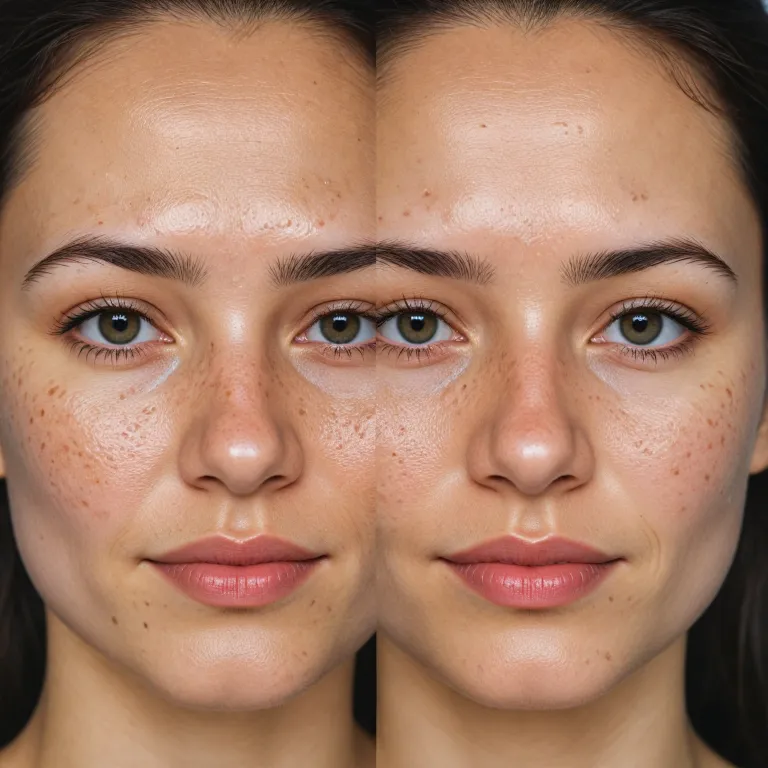
Clinical photography and published case studies show that the most dramatic improvements are seen in individuals with fair skin and significant signs of aging. For example, a 62-year-old female with deep facial wrinkles and sun damage underwent a full face phenol peel. Before the procedure, her skin showed pronounced lines and uneven tone. After the peel, her skin appeared firmer, smoother, and more luminous, with a significant reduction in deep wrinkles and discoloration. These results are typical in cases where the peel is performed by an experienced plastic surgeon. It’s important to note that recovery is a journey. Swelling, redness, and peeling are expected in the first days and weeks after treatment. By the time the skin has fully healed, the transformation is often striking. Patients frequently report increased confidence and satisfaction with their appearance.Comparing Phenol Peels to Other Treatments
While phenol peels offer unmatched results for deep wrinkles and sun damage, they are not suitable for everyone. For those with darker skin tones or certain medical conditions, alternative chemical peels or treatments may be recommended. Always consult with a board-certified plastic surgery specialist to determine the best approach for your skin.Additional Considerations
- Phenol peels are sometimes combined with other procedures, such as a breast lift or facial surgery, to achieve comprehensive rejuvenation.
- The addition of croton oil to the phenol solution can enhance the peel’s effectiveness, especially for deep facial lines.
- Most patients see the final results several months after the procedure, once the skin has fully regenerated.
Is a phenol chemical peel right for you?
Who Should Consider a Phenol Chemical Peel?
Choosing a phenol chemical peel is a significant decision. This deep peel is one of the most powerful treatments available for facial rejuvenation. It is designed for those with deep wrinkles, severe sun damage, or pronounced uneven skin tone. If you have tried lighter chemical peels or other non-surgical treatments without seeing the results you desire, a phenol peel may offer a more dramatic transformation.
Ideal Candidates and Important Considerations
- Skin Type and Concerns: Phenol peels are best suited for fair to light skin tones, as there is a higher risk of pigmentation changes in deeper skin tones. If your main concern is deep wrinkles, scars, or significant sun damage, this treatment can deliver noticeable before and after improvements.
- Medical History: If you have a history of heart conditions, kidney or liver disease, or have undergone recent plastic surgery such as a breast lift or full face procedure, it is crucial to discuss these details with your provider. The phenol chemical can affect the heart, so a thorough medical evaluation is essential.
- Commitment to Recovery: The recovery period is longer compared to lighter chemical peels. You will need to plan for downtime, as the skin will be red, swollen, and may peel for several weeks. Strict aftercare is necessary to achieve optimal results and minimize risks.
- Long-Term Results: Unlike other peels, a phenol peel is typically a one-time treatment. The results can last for years, making it a compelling case for those seeking lasting changes in skin texture and tone.
When to Avoid a Phenol Peel
This deep peel is not suitable for everyone. If you have darker skin, a history of abnormal scarring, or certain medical conditions, your provider may recommend alternative treatments. Those with active skin infections, recent facial surgery, or a diagnosis of skin cancer should avoid phenol peels until cleared by a medical professional.
Consultation: The Key Step
Before scheduling a phenol chemical peel, a detailed consultation with a board-certified plastic surgeon or dermatologist is essential. They will assess your skin, review your medical history, and discuss your goals. This step ensures the procedure is safe and that your expectations align with what a phenol peel can realistically achieve.
Ultimately, the decision to undergo a phenol chemical peel should be made with a clear understanding of the process, recovery, and potential risks. With the right case selection and expert care, the before after transformation can be truly remarkable, offering a renewed, more youthful appearance for years to come.