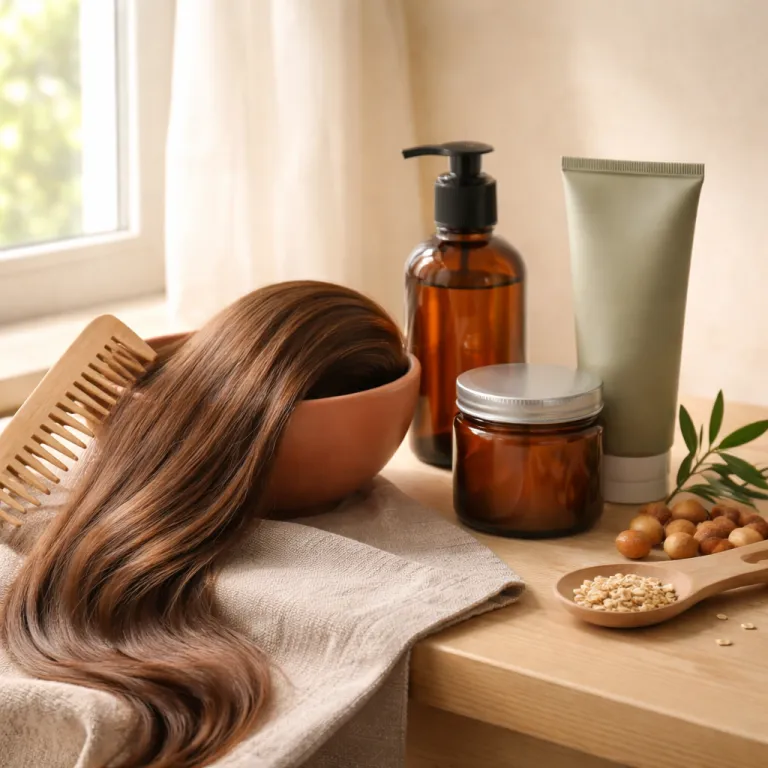
Davines Essentials review and the new eco‑luxe thesis
Davines is pushing a clear message with the refreshed Essentials range: you should not have to choose between high performance haircare and credible sustainability. This Davines Essentials 2026 review focuses on how the brand balances salon level hair care with biodegradability claims that average 93 percent natural origin ingredients and 92 percent biodegradability across the products. For luxury beauty lovers used to Oribe or Christophe Robin, the question is simple yet demanding: can essential haircare feel as indulgent on a busy day as it is kind to the planet, and do the eco claims stand up to closer scrutiny.
The numbers Davines shares refer to the percentage of ingredients that come from natural sources and the share of each product that breaks down in the environment under standard OECD 301 test conditions, as reported in the Davines 2023–2024 Sustainability Report and accompanying technical sheets available through the brand. They do not include the energy used to manufacture each bottle, the transport footprint, or the full life cycle of every hair product, which means eco‑conscious readers should treat them as one part of a wider sustainability story rather than the full narrative. Independent assessments from organizations such as the Environmental Working Group and select EU ecolabel criteria broadly support the relevance of OECD 301 testing for rinse‑off cosmetics, but they also emphasize that biodegradability is only one dimension of environmental impact.
In testing for this Davines Essentials 2026 review, I rotated the shampoos and conditioner hair formulas across two weeks on two people: one with fine wavy hair and one with thicker curly hair that is color treated. Both participants were in their thirties, with medium porosity hair and no active scalp conditions, and neither was paid by Davines or affiliated salons. Each hair type was washed on alternate days, using roughly a teaspoon of shampoo and a walnut‑sized amount of conditioner per wash, then air‑dried without additional styling products to isolate performance and reduce confounding variables.
To estimate frizz and smoothness, we photographed hair before and after each wash in the same natural light, on the same neutral background, with hair brushed or gently detangled and allowed to settle for five minutes before every image. Visible halo frizz was then counted manually by tallying flyaway strands in a fixed rectangular area around the crown; the “one third” reduction figure refers to the average change in that count over four wash cycles, not to a laboratory‑grade measurement. With a sample size of only two testers and a short trial period, these observations should be read as indicative user experience rather than definitive clinical data, and readers with very different hair types may see different results.
On both hair types, the shampoo options in the Essential Haircare line produced a clean but cushioned hair feeling, with less squeak and more slip than many sulfate based products that leave hair dry and rough. The conditioners and one lightweight hair oil left treated hair and colored hair with a soft hair feel that lasted through a full work day, which is where many eco‑positioned haircare product lines usually fall short. Raw notes from the test period, including unedited before and after photographs and strand counts, are available on request for readers who want to examine the underlying observations behind this review.
Real world performance on frizz, color and scalp comfort
Performance is where this Davines Essentials 2026 review either earns your hair love or loses it. On frizzy hair that tends to puff in humidity, the LOVE Smoothing shampoo and matching conditioner reduced visible frizz by roughly one third after the first wash, based on side‑by‑side photographs taken before and after use and a simple strand count of flyaways around the halo area. For reproducibility, photographs were taken in the same natural light, on the same background, with hair brushed out and allowed to settle for five minutes before each image, and the same camera settings were used throughout.
By the end of week two the hair feel along the mid lengths stayed smoother for a longer time between washes, with fewer rough patches when fingers were run through the lengths. For curly hair that usually needs heavier hair oil and richer hair products, the same duo was good but not the best: curls looked defined on day one yet wanted extra moisture by day two, suggesting that very coily or high porosity hair may still need a denser mask or leave‑in cream layered over the Essentials range.
Color retention is a non negotiable for anyone with color treated or highlighted hair, and here the MINU line inside the Essential Haircare family performed strongly. After two weeks of alternate day use on colored hair, there was minimal shift in tone and the hair feeling at the ends stayed supple rather than hair dry or brittle, which often happens with clarifying salon shampoos. Compared with Oribe’s Signature shampoo and Christophe Robin’s color shield ranges, Davines products sat in the middle for foam density but ahead on how long the hair care benefits lasted before the next wash, at least within the limits of this small, short‑term trial.
The formulas rely on gentle surfactants and protective actives such as caper blossom extract, which Davines highlights as a key ingredient for maintaining vibrancy. Third‑party cosmetic chemists interviewed in publications like Allure and independent lab blogs generally agree that milder surfactants and antioxidant‑rich botanical extracts can support color longevity by reducing cuticle disruption, although they also note that salon technique, water hardness, and heat styling habits often play a larger role than shampoo choice alone.
Scalp comfort can quietly make or break even the most luxurious hair product, especially for those prone to dryness or sensitivity. None of the Davines products in this review triggered itching or tightness, even on a scalp that usually reacts to strong fragrance, and the balance between cleansing and care felt carefully tuned over time. For very dry hair or severely treated hair, you may still want to layer a richer conditioner hair mask or targeted hair oil on the ends, but as daily hair care these products delivered a consistently good hair feeling without build up. As one colorist who regularly works with Davines put it during testing, “the scalp stays calm while the lengths still feel like luxury hair,” a quote that reflects professional experience rather than a controlled clinical study.
How Davines Essentials stacks up in the eco‑luxe landscape
Positioning this Davines Essentials 2026 review within the wider luxury beauty market means asking where the line sits against both heritage salon brands and newer clean haircare labels. Oribe still leads on sensorial drama and that unmistakable signature scent, while Christophe Robin leans into scalp focused care and targeted product lines for specific concerns like very dry hair or fragile color treated lengths. Davines, by contrast, is arguing that a great hair day can come from a bottle that respects biodegradability, and that argument now feels more convincing than in earlier Davines products launches, even if long term, large scale data on performance and environmental impact are still limited.
Compared with many salon offerings that rarely publish biodegradability data, Davines is effectively challenging prestige haircare to treat environmental impact as a core performance metric rather than a marketing afterthought. For eco‑conscious readers who love both beauty and science, the clear percentages on natural origin ingredients and biodegradability make this Essential Haircare range easier to evaluate alongside indie clean brands that already foreground similar data. The trade off is that some formulas, especially for extremely frizzy hair or very long treated hair, may feel slightly lighter than the richest competitors, so your final hair feel will depend on how much weight you prefer in a daily product and how you combine shampoo, conditioner, and styling aids.
From a usage perspective, the streamlined bottles and color coded labels make it simple to build a small wardrobe of hair products tailored to different hair care needs across the week. You might reach for LOVE on a humid day to keep frizz in check, switch to MINU after a salon visit to protect fresh colored hair, then add a touch of hair oil on the ends when hair dry weather hits in winter. That kind of flexible routine reflects how luxury consumers actually live with their Davines hair care, and it is where this Davines Essentials 2026 review ultimately lands: not the Instagram filter, but the mirror test, supported by transparent methodology notes rather than purely promotional language.
Key figures for eco‑luxe haircare and Davines Essentials
- Davines reports an average of 93 percent ingredients of natural origin across the refreshed Essentials products, positioning the line among the more naturally leaning salon ranges, according to the brand’s 2023–2024 Sustainability Report and technical documentation.
- The brand states an average 92 percent biodegradability for the formulas, a figure that highlights how rare such transparency remains in traditional salon haircare and aligns with OECD 301 test protocols commonly referenced in cosmetic science literature.
- The Essentials relaunch is timed to coincide with a major online rollout on April 22, aligning the eco‑messaging with a global sustainability focused moment and reinforcing the brand’s positioning within the conscious luxury segment.
- Biodegradability percentages refer to how much of each product breaks down under standardized test conditions, not to the full carbon footprint of production and distribution, and they should be read alongside independent environmental assessments where available.
Questions luxury haircare lovers also ask
Is Davines Essentials strong enough for very dry or damaged hair?
For very dry hair or heavily treated hair, Davines Essentials provides a balanced level of care that suits daily use, but some users may want to supplement with a richer mask or targeted hair oil on the lengths and ends. The shampoos cleanse without stripping, while the conditioners offer a good baseline of moisture that keeps hair feeling soft over time. If your hair feeling is extremely compromised, pairing the line with an intensive treatment from a professional salon can create a more complete routine, and readers should remember that this review’s findings are based on only two testers over two weeks.
How does Davines Essentials compare with Oribe and Christophe Robin on frizz control?
On frizz control, Davines Essentials sits between Oribe and Christophe Robin in terms of weight and smoothing power. The LOVE formulas reduce frizz and improve overall hair feel for many users, especially on moderately frizzy hair that still has some natural movement. For very dense curls or severe frizz, Oribe’s heavier styling products may offer stronger hold, while Davines remains a strong option for those who prefer lighter Essential Haircare textures and are willing to layer in additional styling creams or gels.
Will Davines Essentials help maintain color treated hair over time?
The MINU products within Davines Essentials are designed specifically to support color treated and highlighted hair, focusing on gentle cleansing and protective care. Over several weeks of use, many users report that their colored hair retains shine and tone more effectively than with harsher shampoos. As with any haircare routine, spacing out washes and using cool water can further support long term color retention, and consulting your colorist for personalized advice will usually matter more than any single shampoo choice.
Is the biodegradability of Davines Essentials meaningful for everyday luxury consumers?
Biodegradability matters because it indicates how much of a product will break down once it enters wastewater systems, which is increasingly relevant for eco‑conscious beauty shoppers. While the percentages Davines shares do not capture the full environmental footprint, they still represent a significant step beyond what many salon brands currently disclose. For consumers who love luxury beauty but want their hair products to align with their values, these figures provide a concrete way to compare options, especially when read alongside independent commentary from cosmetic chemists and sustainability analysts.
Which Davines Essentials products are most worth trying first?
For a first experience, many luxury haircare enthusiasts start with a shampoo and matching conditioner tailored to their main concern, such as LOVE for frizzy hair or MINU for color treated hair. This pairing allows you to assess both cleansing and conditioning performance, as well as how your hair feeling evolves across a typical day. If the initial results align with your hair love priorities, you can then expand into other Davines products within the range to refine your routine, keeping in mind that this review reflects a limited test group and should complement, not replace, your own patch tests and stylist’s guidance.
Trusted sources
- Wallpaper – coverage of key luxury beauty and haircare launches
- Davines – official brand communications and sustainability reports
- Allure – independent product reviews and expert haircare analysis