Why a four step luxury regimen beats a ten step overload
A skincare routine for beginners should feel like silk, not homework. When you adore luxury skincare, the temptation is to stack every luminous bottle and create a twelve step ritual that overwhelms your specific skin and your schedule. The truth is that a focused four step routine, done daily for three months, will treat more skin concerns than an overflowing shelf of unused products.
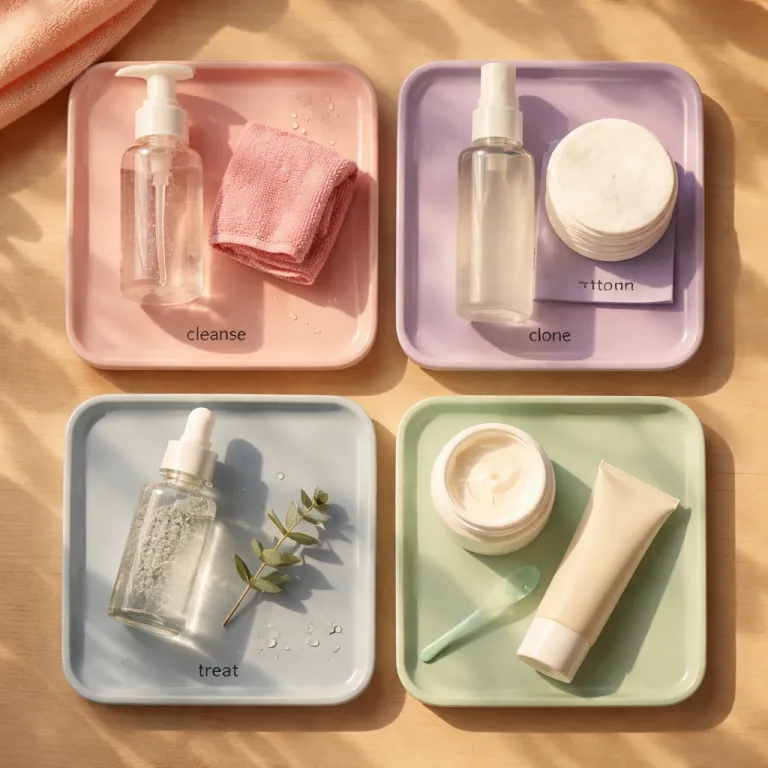
Think of this as couture care beauty for your skin barrier rather than fast fashion trends. You need one gentle cleanser, one hydrating cream, one daily SPF, and one targeted active to address specific concerns such as acne or dark spots. Those four skincare essentials form a regimen that supports skin health, protects skin from sun exposure, and quietly softens early signs of aging without drama.
Luxury beginners often ask whether they should start with peels, masks, or in clinic treatments. The better question is which single step treatment will give the most benefits with the least irritation for your sensitive or resilient skin type. Once that is clear, every other step in your skincare routine can be chosen to support, not fight, that decision.
The first step cleanser that actually respects your skin barrier
Cleansing is the first step where most skincare beginners overdo it. A good cleanser removes sunscreen, light makeup, and city grime without leaving your skin tight, squeaky, or flushed, because that stripped feeling means your skin barrier is already compromised. In luxury products, look for cream or gel textures that mention supporting skin hydration and barrier repair rather than harsh foam that promises to erase every trace of oil.
If you wear heavier makeup, a two step routine with a balm followed by a water based cleanser can care for your skin without tugging or rubbing. The balm melts mascara and lipstick while the second cleanser removes residue, so your specific skin feels clean but not bare. This kind of thoughtful skincare is far more effective than chasing every trending ingredient before your basic cleanse is right.
For a skincare routine for beginners, avoid cleansers marketed as acne fighters unless a dermatologist has confirmed acne as one of your primary skin concerns. Many of those rely on salicylic acid in high percentages, which can be too much for sensitive skin that is just learning a new regimen. If you want a subtle clarifying effect, choose a low dose salicylic acid cleanser around 0.5–2% and always patch test along your jawline for two nights before committing.
When your complexion is balanced, your colour choices read differently, and that matters if you are pairing your routine with hair and makeup. If you are exploring blonde hair colour on brown skin tones for a luxurious luminous style, a non stripping cleanser will keep your undertones even so foundation and bronzer sit smoothly. Clean, calm skin is the canvas that makes every later care beauty decision look intentional rather than accidental.
Moisturiser and SPF: the quiet luxury duo that does the heavy lifting
Once your cleanser is set, the next step in a skincare routine for beginners is choosing a moisturiser that matches your specific skin needs. Normal to dry skin types usually prefer creams with ceramides and glycerin that support skin moisture, while combination or oily skin often leans toward lightweight gels that still care for the skin barrier. The goal is simple: your face should feel comfortable, not greasy, ten minutes after application.
Layering comes next, and this is where many luxury lovers complicate their routine with too many products. For beginners, think in one clear treatment step at night and one protective step in the morning, so your regimen stays realistic on busy days. If you wake up dreading your skincare lineup, it is a sign that your routine is serving your vanity shelf, not your skin concerns.
Daily SPF is non negotiable, especially when you invest in treatments for dark spots or early signs of aging. Guidance from the American Academy of Dermatology notes that broad spectrum SPF 30 or higher, applied generously and reapplied every two hours when outdoors, helps reduce the risk of photoaging signs such as wrinkles and hyperpigmentation over time. If you are choosing complexion products later, a formula that sits well under foundation after 40 finishes that flatter not flatten will keep your base from pilling or sliding by midday.
Luxury does not mean heavy; it means precise. A fluid SPF that disappears into the skin, leaves no grey cast on deeper tones, and layers cleanly under makeup is more valuable than any viral bestseller that feels chalky. When this protective step is automatic, you have already addressed specific long term risks from sun exposure before you even think about more advanced treatments.
The single active worth adding at month three for targeted results
After three consistent months with cleanser, moisturiser, and SPF, your skincare routine for beginners is ready for one targeted active. This is the moment to decide whether your main skin concerns are acne, texture, dark spots, or fine lines, because each concern calls for a different treatment step rather than a random cocktail. Chasing every trending ingredient at once is how beginners end up with a damaged skin barrier and a bathroom full of half used products.
For congestion and mild acne, salicylic acid is usually the most efficient active to treat pores without over drying the rest of your skin. Peer reviewed dermatology studies on salicylic acid in acne management suggest that low to moderate concentrations used two or three evenings per week can improve texture and breakouts within about eight to twelve weeks, with fewer side effects than daily high strength use. Use a serum or toner in the 0.5–2% range, patch test before applying it across your face, and keep the rest of your routine simple so you can clearly see the benefits or any irritation.
If your main concern is uneven tone or lingering dark spots from past blemishes, glycolic acid can be a powerful but elegant choice. Research on glycolic acid for pigmentation and photoaging shows that gentle leave on lotions in the 5–10% range, used once or twice weekly, can gradually treat dullness and early signs of aging when paired with strict daily sun protection. Again, the rule holds: one new active at a time, introduced slowly, with your existing care beauty steps unchanged for at least four weeks.
Those with very sensitive skin or conditions such as rosacea may need to delay strong actives and focus on barrier repair treatments instead. In that case, look for fragrance free serums that support skin resilience with ingredients like niacinamide and panthenol, and keep your regimen to three or four products. Luxury here is not intensity but restraint, choosing fewer, better formulas that address specific needs without overwhelming your specific skin.
Luxury level mistakes beginners make and how to address them
Even in a carefully curated skincare routine for beginners, certain patterns sabotage results. The first is switching products too quickly, especially when a new bestseller or trending ingredient hits your feed and promises overnight transformation. Skin needs at least six to eight weeks with a stable routine before you can fairly judge whether a cleanser, moisturiser, or active treatments are working.
The second mistake is layering too many actives in a single step, such as combining glycolic acid, salicylic acid, and retinol on the same night. This kind of aggressive regimen might treat one concern briefly but usually inflames others, leaving sensitive skin red, flaky, and prone to more acne or dark spots. If you notice stinging, tightness, or new rough patches, scale back to basic care beauty with a barrier repairing cream and a gentle cleanser that removes impurities without foam until your skin barrier recovers.
The third trap is ignoring patch test advice because a product looks luxurious or has glowing reviews. Even the most refined skincare can trigger reactions on specific skin types, especially around the eyes or along the neck where the skin is thinner. Apply a small amount behind the ear or along the jawline for two nights, and if there is no redness, itching, or swelling, you can safely treat the rest of your face.
Finally, do not forget that your routine has to work with your overall aesthetic, from hair colour to makeup tones. If you are refining your palette and wondering what colour looks best with brown hair and skin for a refined luxury look, start by ensuring your complexion is even and well hydrated so pigments sit true. When your base care is right, every later decision about lipstick, bronzer, or highlighter becomes easier, because you are enhancing healthy skin rather than trying to cover unresolved skin concerns.
How to know your beginner routine is actually working
A skincare routine for beginners should pass the mirror test, not just the selfie test. After four to six weeks of a consistent four step regimen, your skin should feel more comfortable, show fewer reactive flushes, and hold moisture better throughout the day. That quiet stability is often a bigger win than dramatic before and after photos that come from aggressive treatments.
Signs that your products are supporting rather than stressing your skin barrier include less morning redness, smoother makeup application, and fewer surprise breakouts around the mouth or jaw. If your SPF sits well, your moisturiser does not pill, and your cleanser removes the day without leaving your cheeks tight, your routine is aligned with your specific skin needs. Over time, you may notice that dark spots soften, fine signs of aging blur slightly, and your overall tone looks more even under natural light.
On the other hand, if you are constantly adding new skincare items to chase minor imperfections, your regimen may be working against you. Luxury care beauty is about editing, not hoarding, and the most effective routines often look deceptively simple on the bathroom shelf. When in doubt, return to the four essentials: a gentle cleanser, a barrier friendly moisturiser, a daily SPF, and one targeted active that clearly addresses specific skin concerns without collateral damage.
As your confidence grows, you can explore more advanced treatments with professional guidance, such as in office peels for stubborn pigmentation or prescription options for persistent acne. Those are refinements, not replacements, for the foundational routine you have built. The real luxury is waking up to skin that feels like your own, only calmer, clearer, and easier to care for every single day.
Trend alert: minimalist luxury techniques for beginner friendly routines
Current trending conversations in luxury skincare circles are finally shifting from maximalist stacks to minimalist techniques that respect time and tolerance. For a skincare routine for beginners, this means focusing on application methods that enhance benefits without adding more products or complicated steps. Think of it as learning how to treat your skin like a facialist would, using the same cleanser and cream you already own.
One technique is the thirty second cleanse, where you massage your cleanser over damp skin for a full half minute before rinsing. This simple treatment step allows surfactants to break down sunscreen and makeup more effectively, so your cleanser removes impurities without needing a harsher formula. For sensitive skin, using lukewarm rather than hot water during this step helps protect skin lipids and keeps the skin barrier intact.
Another trend is strategic active zoning, especially helpful when you have mixed skin concerns such as an oily T zone with dry cheeks. Instead of applying glycolic acid or salicylic acid across your entire face, you address specific areas: perhaps treating only the forehead, nose, and chin for acne while leaving the rest of your specific skin to enjoy soothing care beauty. This targeted approach reduces irritation and lets each treatment deliver benefits where they are most needed.
Finally, luxury beginners are embracing texture layering that prioritises feel as much as function. A light hydrating serum that supports skin elasticity can go under a richer cream at night, while in the morning you might choose a gel moisturiser under SPF to keep makeup fresh. These techniques do not require more skincare items, only more attention to how each step in your regimen interacts with the next, turning a simple routine into a quietly indulgent ritual.
Key figures on beginner skincare and routine habits
- According to internal estimates based on Google Keyword Planner data accessed in 2024, the phrase “skincare routine for beginners” generates roughly 8,100 monthly searches in the United States, indicating strong ongoing interest in simple, structured regimens.
- Guidance from the American Academy of Dermatology notes that consistent daily use of broad spectrum SPF 30 or higher helps reduce the risk of photoaging signs such as wrinkles and dark spots compared with inconsistent use over several years.
- Consumer research published by L’Oréal Group reports that people who stick to a three to four product routine for at least twelve weeks are significantly more satisfied with their skin than those who frequently switch products, highlighting the value of stability over constant experimentation.
- Peer reviewed studies on salicylic acid and glycolic acid in acne and pigmentation treatments suggest that low to moderate concentrations used two to three times per week can improve texture and tone within eight to twelve weeks, with fewer side effects than daily high strength use.
- Market analyses from firms such as Euromonitor International indicate that “skinification” trends are driving growth in hybrid products that combine skincare and makeup benefits, making it easier for beginners to maintain shorter routines without sacrificing results.
FAQ about a luxury skincare routine for beginners
How many products does a beginner really need in a luxury routine ?
Most beginners do best with four core products: a gentle cleanser, a moisturiser suited to their specific skin type, a daily SPF 30 or higher, and one targeted active for their main concern such as acne or dark spots. This structure keeps the regimen realistic and reduces the risk of irritation from too many overlapping treatments. Once this base is stable for several months, you can add extras like masks or eye creams if you genuinely need them.
Should beginners use both glycolic acid and salicylic acid ?
Using both glycolic acid and salicylic acid can be effective, but beginners should introduce only one at a time and use it a few nights per week. Salicylic acid is generally better for oily or acne prone areas, while glycolic acid targets dullness and uneven tone, so you can address specific zones rather than treating the whole face. Always patch test first and avoid layering multiple strong acids in the same step to protect your skin barrier.
How long before I see results from a beginner skincare routine ?
Most people notice small improvements in comfort and hydration within two weeks of a consistent routine. Visible changes in texture, breakouts, or dark spots usually take six to twelve weeks, especially when you are using actives like glycolic acid or salicylic acid alongside daily SPF. Patience is crucial; switching products too quickly often resets the clock and makes it harder to judge what is actually working.
Can I skip moisturiser if I have oily or acne prone skin ?
Even oily or acne prone skin needs moisturiser, because dehydration can trigger more oil production and compromise the skin barrier. Choose a lightweight, non comedogenic gel or lotion that supports skin hydration without feeling heavy, and apply it after your treatment step at night and before SPF in the morning. Skipping this care step often leads to more irritation from actives and less predictable makeup wear.
Is it necessary to buy luxury products for an effective beginner routine ?
Luxury products can offer refined textures and elegant packaging, but an effective skincare routine for beginners does not require high prices. What matters most is choosing formulas that match your specific skin concerns, using them consistently, and protecting your skin from sun exposure every day. You can mix drugstore, mid range, and prestige items in the same regimen as long as each product has a clear role and does not irritate your skin.
References
- American Academy of Dermatology – patient education on sunscreen, photoaging, and daily sun protection recommendations.
- Euromonitor International – reports on global skincare markets and “skinification” trends in beauty.
- L’Oréal Group – published consumer research on skincare routines, product loyalty, and satisfaction outcomes.
- Peer reviewed dermatology literature on salicylic acid and glycolic acid for acne, texture, and pigmentation management.