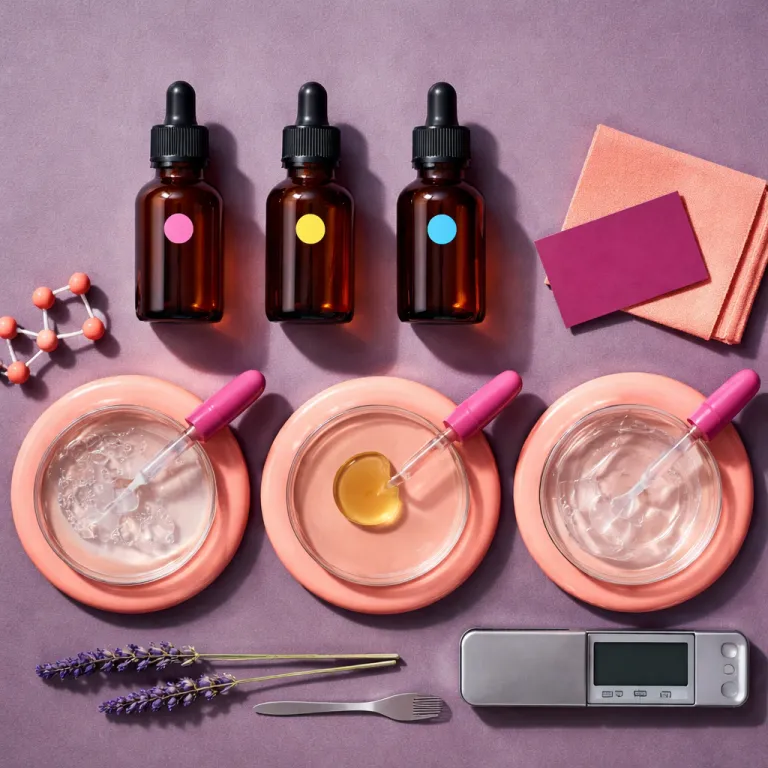
Why luxury anti aging serums must edit, not overload
Luxury skin care is no longer about a crowded bathroom shelf. A modern anti-aging serum should focus on a few key ingredients that respect your skin type, target fine lines, and still feel like a pleasure to use every single evening. The best anti-aging strategy is to curate serums that let your skin breathe while quietly working on lines, wrinkles, and dark spots.
Think of every serum as a tailored garment rather than a logo bag. The fabric is your base texture, the cut is the concentration of each acid or vitamin, and the embellishment is how the product handles fragrance free claims, price, and long term collagen support. When anti-aging serum ingredients are chosen with restraint, your skin tone looks more even and your skin feels stronger instead of simply coated in oil and actives.
Most luxury anti-aging serums still chase maximalism with long ingredient lists. You will see every possible extract, from leaf extract to seed extract and flower extract, plus multiple forms of glycol and hyaluronic acid layered into one aging serum that promises to fix all signs of aging at once. On real sensitive skin and dry skin, that approach often means irritation, wasted product, and a higher price for results that plateau quickly.
Retinaldehyde, retinol and bakuchiol in a real life routine
Retinoids remain the backbone of serious anti-aging serum formulas. Retinol is the most common choice in luxury serums, but retinaldehyde sits between cosmetic retinol and prescription tretinoin, offering relatively faster visible changes in wrinkles and fine lines with a little more comfort for sensitive skin when buffered correctly. Bakuchiol, a plant derived extract, can help retinol shy skin types by softening the appearance of lines, wrinkles, and dark spots, although it will not match prescription strength shifts in collagen production.
When you scan anti-aging serum ingredients, look for encapsulated retinol or retinaldehyde paired with soothing oil components and humectants. A well built aging serum might combine a gentle acid such as lactic acid with hyaluronic acid and vitamin E to hydrate, while bakuchiol and a calming leaf extract reduce the risk of redness on dry skin that is new to retinoids. This balance matters more than chasing the best sounding product name or the highest price on the shelf.
Two stacking mistakes sabotage many luxury routines without you noticing. First, pairing a strong glycol based acid toner with a high strength retinol serum on the same night can overwhelm the skin barrier and exaggerate signs of aging by causing chronic irritation rather than smoothing wrinkles. Second, layering multiple aging serums that all target the same pathway, such as three different retinol serums, wastes money and can trigger peeling on sensitive skin instead of the refined skin tone you expect from expert level skin care; for surgical level concerns such as implant rippling, only medical procedures apply, and topical serums cannot replace an in person consultation with a qualified surgeon.
Peptides, hyaluronic acid and the quiet work of hydration
Peptides have moved from marketing buzzword to serious key ingredients in luxury aging serums. Signal peptides nudge skin cells to support collagen production and elastin maintenance, while carrier peptides help shuttle trace minerals where they are needed, which can subtly improve the appearance of wrinkles over months rather than days. The best peptide rich serum will usually pair these chains with hyaluronic acid and a cushioning oil phase so that sensitive skin receives both instruction and comfort.
Hyaluronic acid itself does not erase lines or deep wrinkles, but it plumps the upper layers of the skin. That plumping effect makes fine lines look softer, helps dark spots sit less sharply against the surrounding skin tone, and allows makeup to glide rather than cling to dry skin patches. When anti-aging serum ingredients combine multiple molecular weights of hyaluronic acid with glycerin and a light seed extract oil, the result is a flexible hydration network that keeps the skin surface supple from morning to evening.
Texture matters as much as the inky list of ingredients. A well formulated aging serum for daily use should feel like a weightless gel serum that disappears quickly, leaving only a slight bounce rather than a sticky film from excess xanthan gum or poorly balanced glycol. If you prefer a richer product, look for serums that suspend peptides and vitamins in a silky oil base, such as some men focused formulas that pair protein peptides with hyaluronic acid for firmness; this kind of targeted aging serum can support collagen production without overwhelming the skin.
Botanical extracts, fragrance free claims and the reality of sensitive skin
Luxury beauty leans heavily on botanicals, and they can be both allies and irritants. Leaf extract, seed extract and flower extract can offer antioxidant support, help reduce the appearance of early signs of aging, and lend a sensorial story that feels aligned with a couture skin care ritual. Yet for truly sensitive skin, the best aging serums are often those that keep botanical ingredients tightly edited and clearly named.
When you read anti-aging serum ingredients, do not assume that every extract is gentle. Some flower extract blends contain natural fragrance components that can trigger redness or stinging, even when the outer box claims the formula is fragrance free because no synthetic perfume was added. If your skin type reacts easily, prioritize an aging serum that lists soothing leaf extract such as green tea or centella, a simple seed extract like squalane, and minimal essential oil content, then patch test before committing to a full size product at a luxury price.
Texture stabilizers such as xanthan gum also deserve a glance. In small amounts, xanthan gum helps serums maintain a silky glide and keeps oil and water phases from separating, which is crucial when a formula contains both vitamin C derivatives and hydrating acids. In excess, it can make a serum feel stringy or suffocating on dry skin, so a balanced formula will sit smoothly under sunscreen and even under more indulgent body treatments inspired by spa traditions and heat based massage rituals.
Building a three serum wardrobe for over 40 luxury skin
A curated wardrobe of three serums can cover most anti-aging needs without crowding your vanity. Start with one aging serum focused on retinol or retinaldehyde for night, one peptide and hyaluronic acid rich serum for daily hydration, and one targeted vitamin C or niacinamide product for skin tone and dark spots. This trio respects the skin barrier, keeps sensitive skin calmer, and lets each set of key ingredients work without competition.
Your evening retinoid serum should be the main driver against wrinkles and deeper lines and wrinkles. Look for encapsulated retinol or retinaldehyde supported by soothing leaf extract, seed extract oils, and barrier friendly ingredients such as ceramides, then use it two or three nights a week before slowly increasing frequency as your skin adapts. On alternate nights, rotate in a gentle acid based serum with lactic or mandelic acid to refine texture and help anti-aging serum ingredients penetrate more evenly without stripping dry skin.
Morning belongs to brightness and protection. A vitamin C serum, ideally stabilized with ferulic acid and supported by hyaluronic acid, can help fade dark spots and even skin tone while offering antioxidant defense against daily pollution. Layer a peptide and oil infused hydrating serum over it if your skin type leans dry, then seal everything with a broad spectrum sunscreen, because no luxury product can out perform unprotected UV exposure in accelerating signs of aging.
How to read a luxury serum label like an expert
Reading anti-aging serum ingredients with a critical eye turns impulse buys into informed choices. Start at the top of the list, where water, glycerin, and primary oil components sit, then scan for active ingredients such as retinol, glycol based acids, peptides, and vitamins within the first third of the panel. If your supposed aging serum hides its key ingredients near the end, you are mostly paying for texture and branding rather than meaningful changes in wrinkles or skin tone.
Next, map the formula against your own skin type and tolerance. Sensitive skin usually fares better with fragrance free or low fragrance products that rely on calming leaf extract and seed extract rather than complex perfume accords, while oilier skin can handle slightly higher acid levels and lighter gel textures stabilized with a touch of xanthan gum. Dry skin often needs a serum that marries humectants like hyaluronic acid with nourishing oil phases, so that anti-aging benefits do not come at the cost of a compromised barrier.
Finally, weigh the price against the concentration and synergy of actives. A higher price tag can be justified when an aging serum uses advanced encapsulation, well studied peptides, and a thoughtful balance of acids, vitamins, and botanical extracts that are consistent with published dermatology research on lines, wrinkles, and early signs of aging. When in doubt, choose the product whose ingredient list you can explain to yourself in plain language, because clarity on paper usually translates to clarity in how your skin responds in the mirror.
Key statistics on anti aging serum ingredients and results
- Clinical studies referenced by major dermatology journals report that cosmetic retinol at concentrations around 0.1% to 0.3% can reduce fine lines and wrinkles over three to six months of consistent use; for example, a randomized trial in the Journal of the American Academy of Dermatology (Kafi et al., 2007; DOI: 10.1016/j.jaad.2007.06.020) found significant wrinkle reduction with 0.1% retinol over 24 weeks.
- Hyaluronic acid serums have been shown in controlled trials to increase skin hydration substantially after several weeks of daily application; one study in Dermatologic Therapy (Pavicic et al., 2011; DOI: 10.1111/j.1529-8019.2011.01303.x) reported marked improvements in moisture levels and skin elasticity with topical hyaluronic acid.
- Peptide containing serums, particularly those with signal peptides, have demonstrated modest but measurable improvements in skin firmness and elasticity over roughly three months in small clinical studies, with benefits that become more meaningful when combined with sunscreen and retinoids.
- Consumer research from premium beauty retailers and industry surveys indicates that a majority of shoppers with sensitive skin now actively seek fragrance free or low fragrance anti-aging products, reflecting a shift away from heavily perfumed serums in the luxury segment.
- Data summarized by market research firms show that targeted aging serums focused on two or three key ingredients have grown faster in sales than multi claim all in one products, suggesting that educated consumers increasingly prefer edited formulas over maximalist blends.
FAQ: luxury anti aging serum ingredients
Which anti-aging serum ingredients should I prioritize over 40 ?
Over 40, prioritize a retinoid such as retinol or retinaldehyde for wrinkles, peptides for collagen production support, and antioxidants such as vitamin C for dark spots and skin tone, then back them with hyaluronic acid and barrier friendly oils to keep the skin comfortable.
Can I use acid exfoliants and retinol serums on the same night ?
Most people do better alternating acid exfoliants and retinol serums on different nights, because using strong glycol or other acids with retinol in a single routine can irritate sensitive skin and undermine anti-aging results by damaging the barrier.
Are fragrance free anti aging serums always better for sensitive skin ?
Fragrance free serums are often safer for sensitive skin, but you still need to check for potentially reactive botanical extracts, because some leaf extract or flower extract components can behave like fragrance even when no synthetic perfume is added.
How many aging serums do I really need in a luxury routine ?
Most luxury routines work best with two or three focused serums, typically one retinoid based aging serum, one hydrating peptide and hyaluronic acid serum, and one brightening vitamin C or niacinamide product, rather than a long lineup of overlapping formulas.
Does a higher price always mean better anti aging results ?
A higher price can reflect advanced encapsulation or rare ingredients, but better anti-aging results come from well balanced formulas with clear key ingredients and consistent use, so reading the label and matching it to your skin type matters more than the luxury positioning alone.