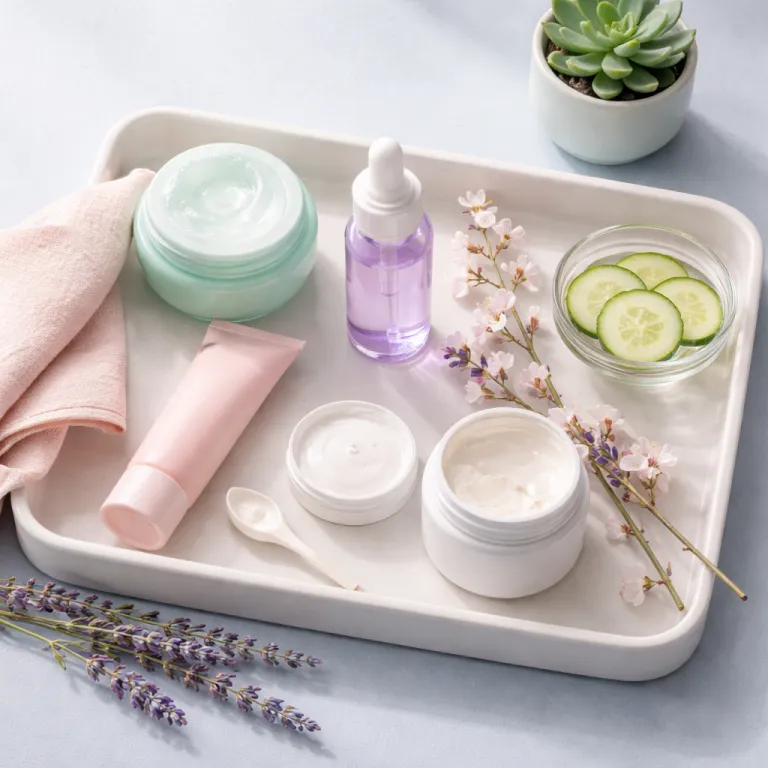
Why the spring skincare routine transition is about recalibration, not reinvention
Your spring skincare routine transition should feel like tailoring a couture dress, not emptying your vanity overnight. This is the time of year when skin moves from central heating and low humidity to longer sun exposure, higher pollen counts, and shifting oil production, so the routine must adapt with precision rather than panic. Think of it as editing layers so your skin’s natural barrier stays calm while your beauty products work harder for radiant skin.
Luxury skincare lovers usually spent winter cocooning skin with rich moisturizer textures, occlusive balms, and overnight masks that trapped every last drop of hydration. As spring arrives, that same winter routine can leave oily skin feeling congested, while drier skin types may still crave comfort but need more breathable formulas that help skin adjust to humidity and sun. The smartest seasonal skincare move is to keep the architecture of your routine intact while swapping individual products for lighter, more flexible textures that respect different skin types.
Dermatologists increasingly emphasize barrier-first sequencing during the months of the year when temperatures swing and allergies spike, because compromised skin reacts more intensely to pollen, UV, and even gentle exfoliating acids. The American Academy of Dermatology, for example, highlights gentle cleansing, daily sunscreen, and consistent moisturizing as core steps for healthy skin, and clinical reviews echo this barrier-focused approach. Instead of chasing every new serum launch, anchor your regimen in spring around three non-negotiables that help skin stay resilient: a gentle cleanser, a humectant-rich serum with hyaluronic acid, and a ceramide-focused moisturizer that can be dialed up or down. Once those pillars are stable, you can layer in targeted products like vitamin C serum treatments, broad spectrum SPF sunscreen, and carefully chosen exfoliating formulas without sacrificing comfort or elegance.
The three winter staples to keep through April — and how to tweak them
Start with your cleanser, because every spring skincare decision sits on that first rinse. If your winter cleanser was a balm or cream that left the skin feeling dewy and free from tightness, you can keep it for night while introducing a low-foam gel or milk for morning that respects the skin’s natural lipids and does not spike oil production. Look for pH-balanced formulas and avoid strong sulfates if your face already feels dry or itchy. This simple shift helps oily skin and combination skin types feel balanced without stripping, especially when the body is already dealing with seasonal allergy stress.
The second keeper is your humectant serum, ideally one built around hyaluronic acid in multiple molecular weights for layered hydration. Many dermatologists suggest concentrations around 0.5–2% hyaluronic acid to boost moisture without stickiness, often paired with glycerin or panthenol, and peer-reviewed reviews support this range for daily use in cosmetic formulations. In winter you may have sandwiched that hyaluronic serum under a dense moisturizer and even an occlusive, but during the spring skincare routine transition you want that same serum to sit under a lighter cream so water can move freely without being smothered. If your vitamin serum also contains hyaluronic acid or another humectant like polyglutamic acid, keep using it at night to help skin maintain plumpness while you gradually reduce heavier winter products that once felt essential.
Your third non-negotiable is a ceramide-rich moisturizer that can flex with the time of year and the changing months. Instead of abandoning your winter moisturizer, use a thinner layer in the morning and reserve a slightly more generous application for evenings when the skin feels sensitized from sun or exfoliating treatments. Luxury moisturizers often include barrier-supporting lipids, soothing botanicals, and even a touch of spectrum SPF, but you should still treat them as support acts under a dedicated broad spectrum sunscreen rather than as your only SPF protection. This aligns with dermatology guidance that sunscreen should be a distinct, generously applied step rather than a side benefit of makeup or moisturizer.
What to retire, what to rotate, and how to bring back SPF without pilling
Some winter habits do need to retire as spring skincare takes over, especially if your skin type leans toward congestion. Heavy occlusives that once sealed in hydration can now trap sweat, pollution, and dead skin, so phase them out to occasional use on windburned cheeks or around the eyes where the skin feels fragile. Overnight masks that were a twice-weekly ritual in the coldest months of the year should become a targeted treatment for travel or post-peel recovery, not a default step in every spring evening routine.
Exfoliating is where luxury routines often go off the rails during the spring skincare routine transition, because more sun and more social events tempt us to chase instant glow. Swap any strong acid toner you used in winter for a gentler lactic acid or mandelic acid formula two nights a week, and avoid layering multiple acid products on the same night if you plan to be in the sun the next day. Aim for leave-on products in the 5–10% range for lactic or mandelic acid if your skin is used to exfoliation, and patch test lower strengths if you are sensitive. This approach helps skin avoid micro-inflammation, keeps oil production steadier, and ensures that your vitamin serum and hydrating serum can work without fighting a compromised barrier.
SPF is the one step that should not be optional once daylight stretches, and yet it remains the most underused luxury skincare product category. Choose a broad spectrum sunscreen with a labeled spectrum SPF of at least 30, ideally 50, and treat it as the final step of your morning skincare routine after moisturizer but before makeup so it can form an even film over the skin. Dermatology organizations consistently recommend reapplying sunscreen every two hours when you are outdoors, and immediately after swimming, sweating, or towel-drying. To prevent pilling, keep layers thin; let each serum and moisturizer absorb fully, avoid overusing silicone-heavy products, and press your sunscreen into the skin rather than rubbing aggressively, which keeps the finish elegant and the protection risk free in terms of coverage.
Managing allergy season, real life layering, and the luxury of restraint
Allergy season makes the spring skincare routine transition uniquely tricky, because histamine flares can leave skin red, itchy, and reactive even when your products are gentle. When the skin feels hot or tight, strip your routine back to a fragrance-free cleanser, a hydrating serum with hyaluronic acid, and a minimalist moisturizer, then add only a broad spectrum SPF sunscreen in the morning until the flare settles. This kind of risk-free reset helps the skin’s natural defenses recalibrate without the noise of too many active products, especially if you are tempted to reach for steroid creams at the first sign of irritation.
A pared-back luxury routine for this time of year might look like this on a typical weekday morning. Cleanse with lukewarm water and a non-foaming milk, apply a single pump of vitamin serum that combines antioxidants with hyaluronic acid, follow with a light gel-cream moisturizer, then finish with two finger lengths of broad spectrum SPF sunscreen for the face and another for the neck and exposed body areas. At night, repeat the cleanser, layer a hydrating serum, use your ceramide moisturizer more generously, and add a gentle exfoliating acid serum only twice a week to keep dead skin from dulling radiant skin without overworking oily skin or drier skin types.
Luxury details still matter during spring skincare, whether that is the silkiness of a serum texture or the way a moisturizer melts so the skin feels pampered rather than coated. Just remember that the most elegant beauty routines are edited, not excessive, and that even the most exclusive products mean little if they are not sequenced to help skin function well under real sun and real schedules. Save the gift card splurges and express shipping orders for formulas that earn their place in your spring routine after a full day’s wear test, because the real luxury is a mirror that reflects calm, balanced, quietly radiant skin.
Key quantitative insights on spring skincare routine transition
- Dermatology guidelines broadly agree on three daily essentials for most adults: gentle cleansing, consistent moisturizing, and broad spectrum SPF 30 or higher, with many experts recommending SPF 50 for extended outdoor exposure.
Frequently asked questions about the spring skincare routine transition
How should I change my skincare routine when spring starts?
As spring begins, keep your gentle cleanser, hydrating serum, and barrier-focused moisturizer, but lighten textures and reduce heavy occlusives. Introduce or upgrade to a dedicated broad spectrum SPF sunscreen every morning, applied as the final skincare step before makeup. Adjust exfoliating to a lower frequency and gentler acids so your skin can handle increased sun and pollen exposure.
Do I really need SPF every day in spring if I used it in summer only?
Yes, daily SPF is essential in spring because UV levels rise even on cloudy days and you spend more time outdoors. Using a broad spectrum sunscreen with at least SPF 30 protects against both UVA and UVB, which drive premature aging and sunburn. Consistent use now preserves the barrier you rebuilt in winter and prevents pigment issues that often appear later in the year.
Should I stop using rich winter moisturizers completely when the weather warms?
You do not need to stop rich moisturizers entirely; you just need to change how you use them. Apply lighter layers in the evening only, or reserve them for dry areas like cheeks while using a gel-cream on the T-zone. This targeted approach keeps hydration high without overwhelming oilier zones as temperatures and humidity rise.
How often should I exfoliate during the spring skincare routine transition?
Most skin types do well with gentle exfoliating one to two times per week in spring, using lactic or mandelic acid rather than aggressive peels. Over-exfoliation combined with stronger sun can lead to redness, sensitivity, and uneven tone. Always pair exfoliation with soothing hydration and diligent SPF to protect the newly revealed skin surface.
What is a simple luxury routine for sensitive, allergy-prone skin in spring?
For sensitive, allergy-prone skin, use a fragrance-free cream or milk cleanser, a hydrating serum with hyaluronic acid, and a ceramide-rich moisturizer morning and night. Add a mineral-leaning broad spectrum sunscreen in the morning and a very mild exfoliating serum once weekly if tolerated. Keep the product count low, textures comforting, and watch how your skin responds before adding any new actives.
Spring skincare routine transition: quick AM/PM guide
Morning routine (AM)
- Cleanser: pH-balanced milk or low-foam gel for normal to oily skin.
- Treatment: antioxidant vitamin C serum with hyaluronic acid for hydration.
- Moisturizer: lightweight ceramide gel-cream for barrier support.
- Protection: broad spectrum SPF 30–50 sunscreen as the final step.
Evening routine (PM)
- Cleanser: gentle balm or cream to remove makeup and sunscreen.
- Hydration: humectant serum with glycerin and multi-weight hyaluronic acid.
- Moisturizer: richer ceramide cream, applied more generously at night.
- Optional twice weekly: lactic or mandelic acid exfoliating serum at 5–10%.
