Red light therapy, blue light, and infrared : what each colour really does
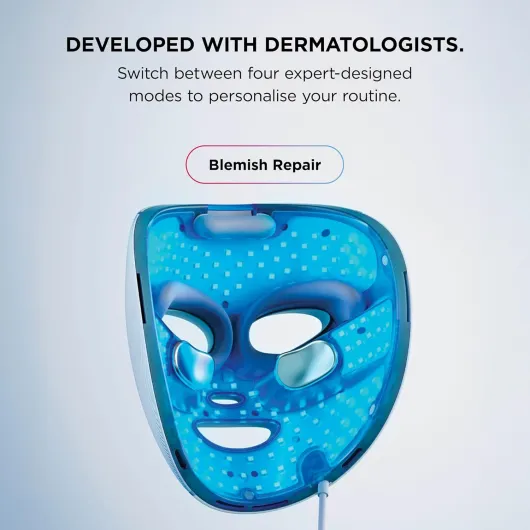
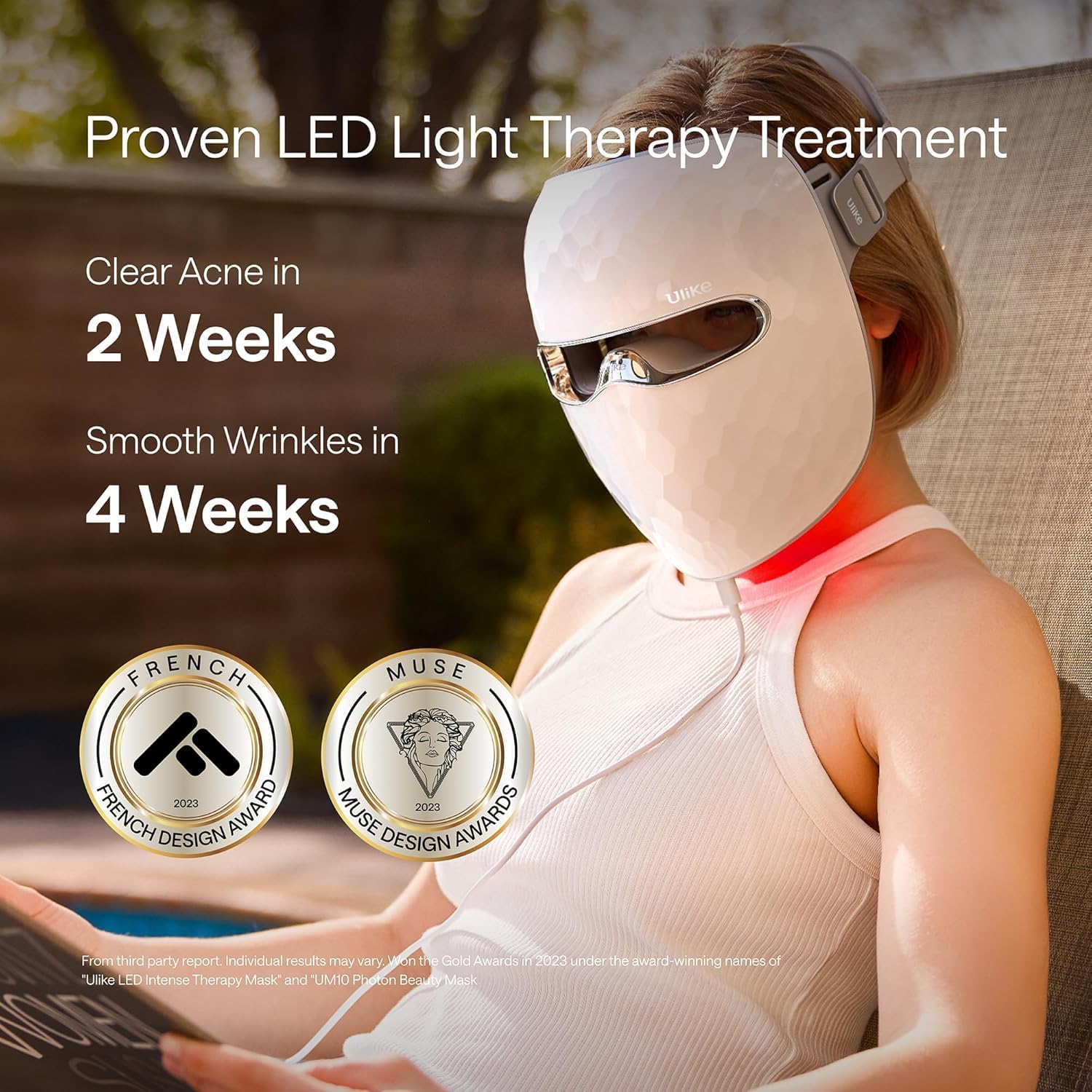
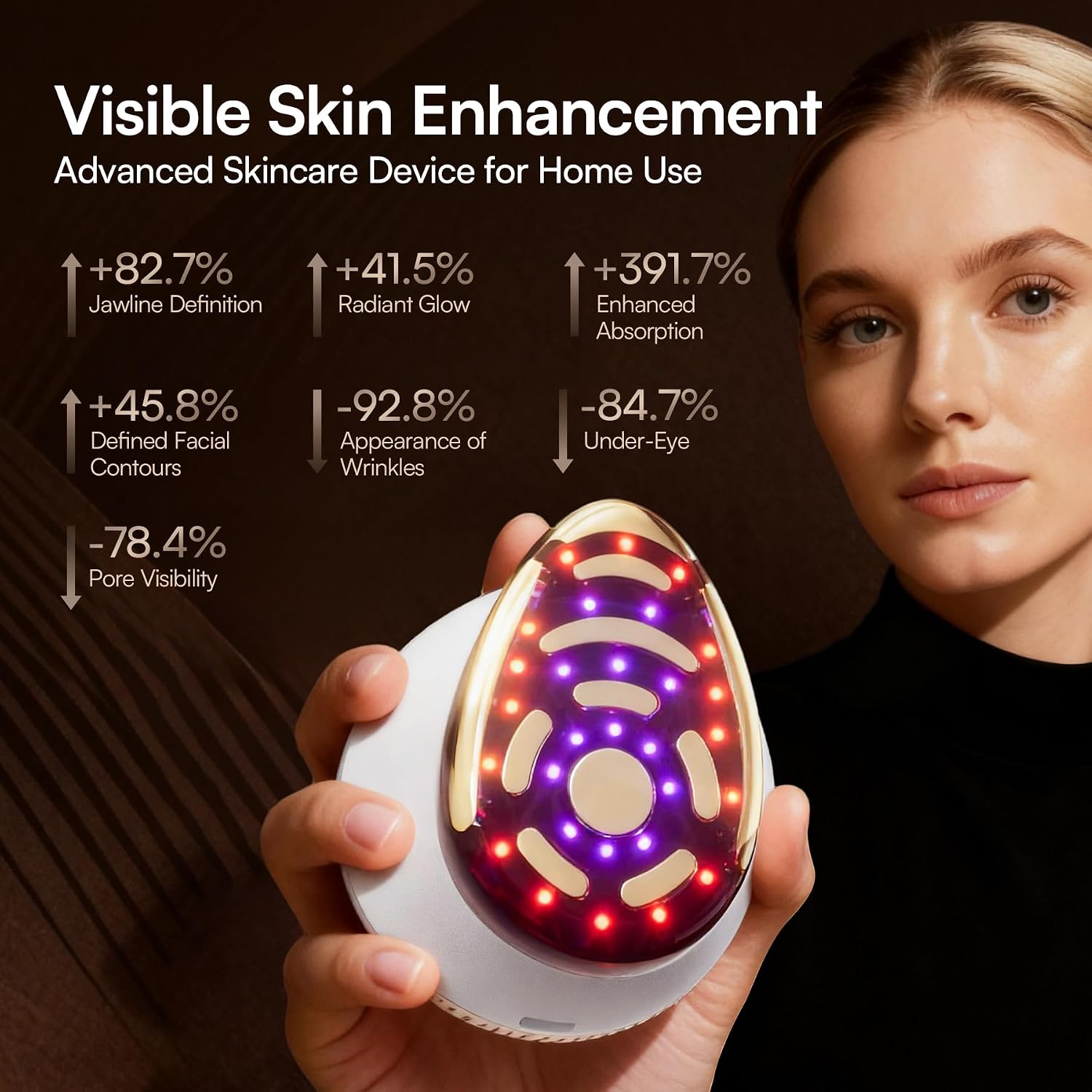
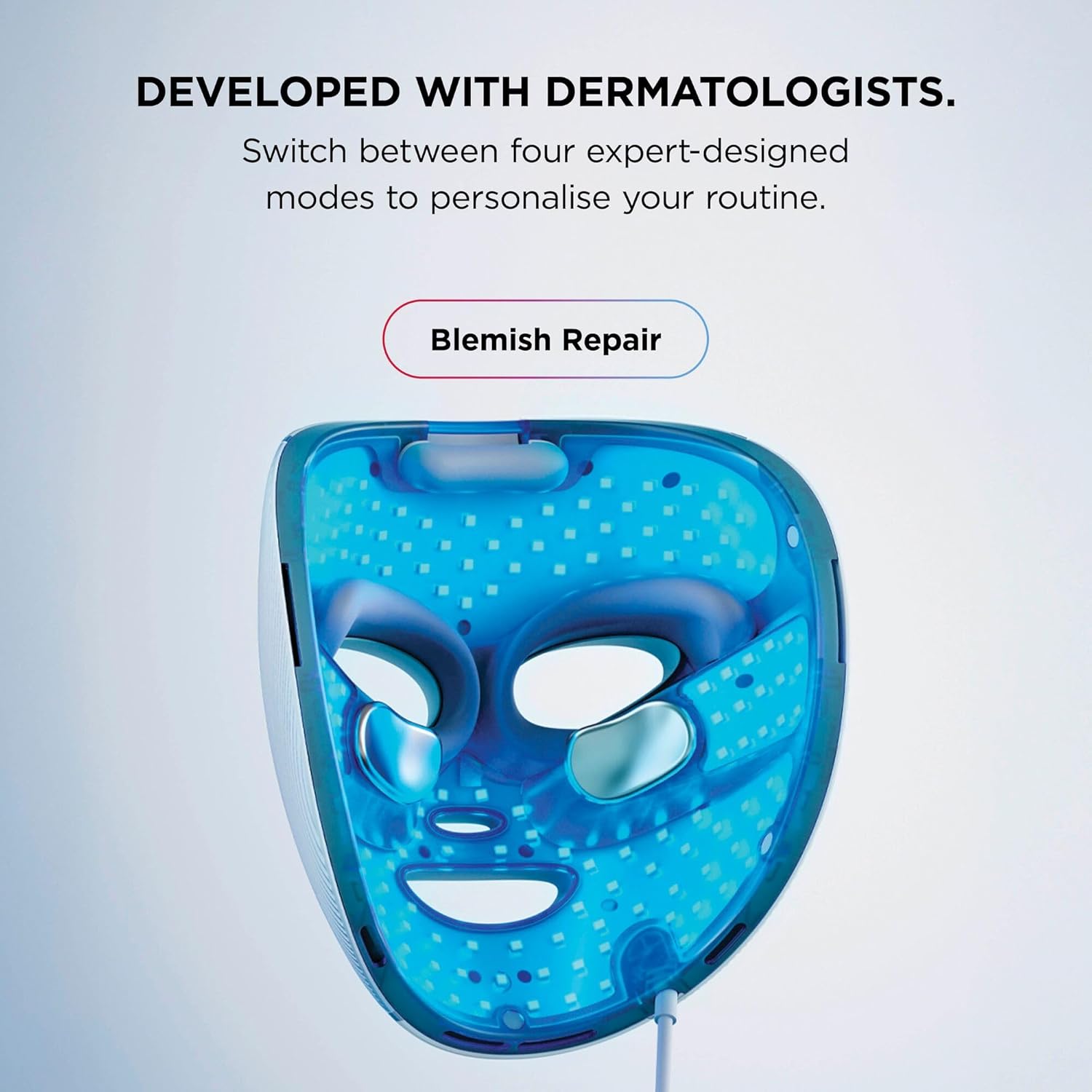
Every best LED face mask relies on a choreography of colours, and each light shade has a specific role. Red light is typically used in light therapy to stimulate collagen, soften wrinkles, and refine tone and texture across the face, while blue light targets the bacteria involved in acne and helps keep future breakouts under control. Infrared light, which is invisible to the eye, penetrates more deeply than standard visible LED light and is often reserved for advanced devices aimed at serious age management.
When you compare masks, check whether the LED mask offers separate modes for red therapy, blue light, and combined programmes that shorten overall treatment time. A sophisticated face mask will let you tailor the minutes of exposure for each colour, so you can focus more red light on fine lines and more blue light on congested skin without over-treating. This level of control is what separates a basic LED face gadget from the best LED devices that sit comfortably alongside a luxury hair tool such as the Dyson Supersonic, which you can explore in a detailed performance review of a premium hair dryer.
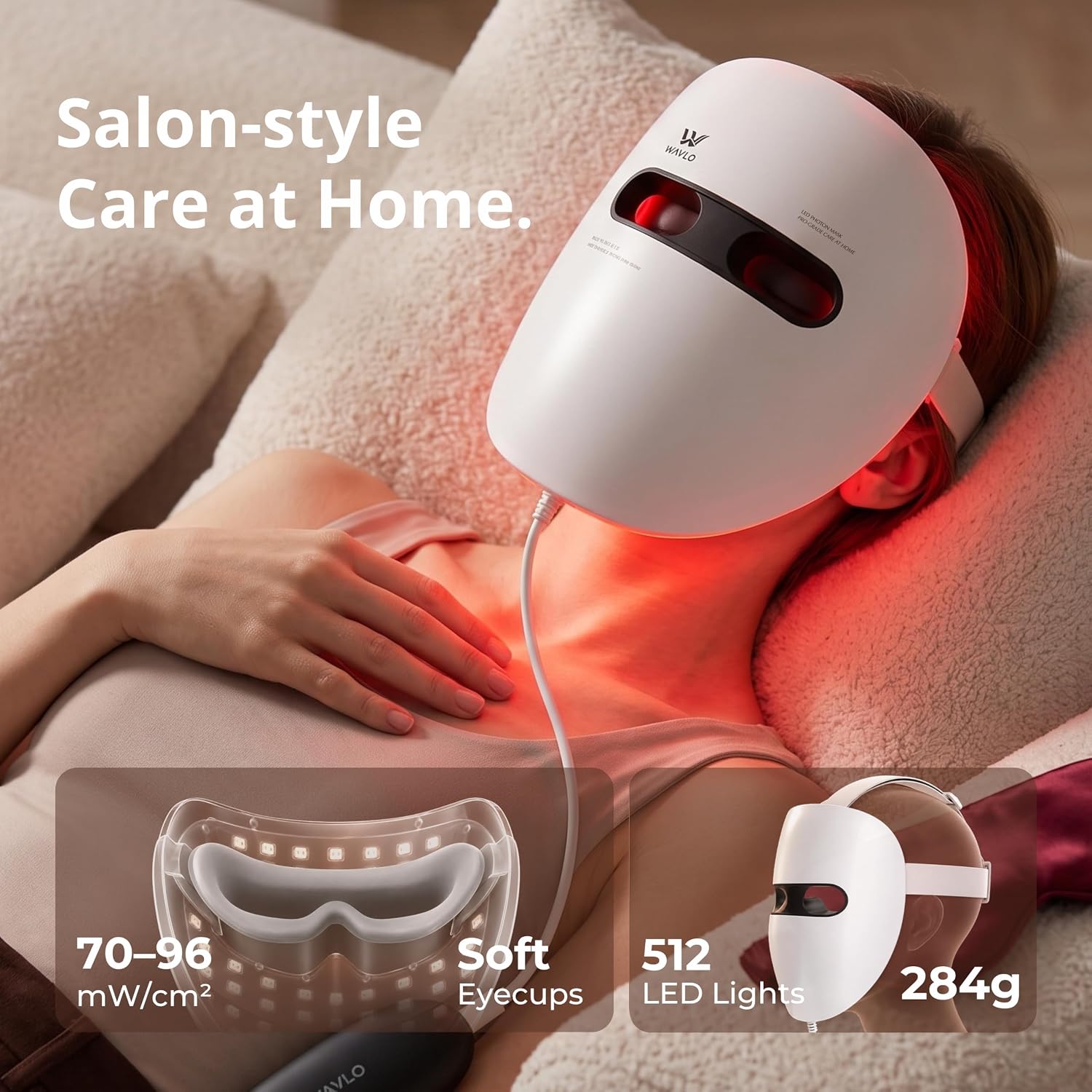
For the eye contour, many board-certified experts recommend either built-in eye protection or a separate mask insert that shields the delicate skin. A certified dermatologist will usually suggest starting with shorter minutes of red light around the eye area, then gradually increasing treatment time as the skin adapts. Always remember that even the best LED face mask works cumulatively, so two or three times per week of consistent light therapy is more effective than a single very long session.
Omnilux, Dennis Gross, and the rise of couture LED devices
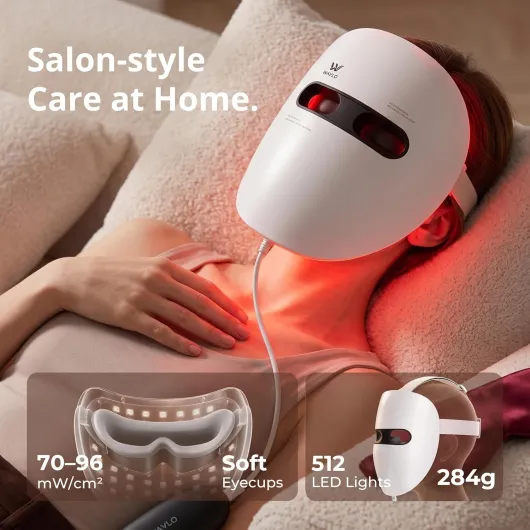
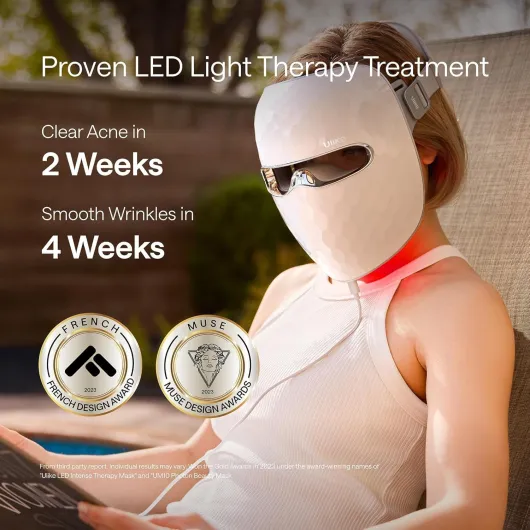
Among luxury devices, Omnilux has become a reference for the best LED face mask category. The original Omnilux mask and the Omnilux Men version both use medical-grade LED arrays with a carefully calibrated number of diodes to ensure even coverage across the face and jawline. These masks are designed to sit close to the skin without feeling heavy, which is essential when you are wearing red light therapy for fifteen to twenty minutes.
The Dr Dennis Gross SpectraLite FaceWare Pro is another benchmark LED mask, known for its sculpted fit and dual red light and blue light modes. Many testers praise how this face mask softens fine lines while also helping to calm active acne, especially when used several times per week as directed. When comparing Omnilux devices with the Dennis Gross LED face options, pay attention to treatment time, flexibility of the mask material, and whether the brand publishes clinical data on wrinkles and texture improvements, including details such as diode count and irradiance levels.
For readers who want a detailed look at a specific LED face device, the in depth test of a Reglow red light therapy mask offers a useful benchmark. That kind of review helps you understand how a mask behaves on real skin, how comfortable the eye area feels during treatment, and whether the promised results on wrinkles and acne are realistic. Luxury buyers should always look for brands that collaborate with at least one board-certified or certified dermatologist, publish transparent clinical protocols, and specify exactly how many minutes and how many times per week their LED mask should be used.
From shark cryoglow to infrared light : when aesthetics meet science
High-tech beauty now sits comfortably beside playful design, and the shark cryoglow trend illustrates how aesthetics can coexist with serious skincare. While shark-inspired tools focus on cooling therapy, pairing them with the best LED face mask allows you to alternate cryotherapy and light therapy for a spa-level ritual at home. Used thoughtfully, these devices can enhance skin comfort after red light or infrared light sessions, especially if your face tends to flush.
Some luxury brands design masks that echo sculptural shapes, almost like a shark silhouette, yet they still prioritise the science behind LED light. The key is never to let a dramatic mask design compromise the even distribution of light or the safety of the eye area, particularly when using infrared light that you cannot see. Always check that the number of LEDs is sufficient to cover the entire face, including the jawline where fine lines and early wrinkles often appear.
For those who care deeply about ingredient purity alongside devices, it is worth reading about how clean formulations are evolving in high-end skincare, as explained in this analysis of modern organic beauty standards. Pairing a gentle hydrating mask or serum with your LED face routine can help the skin barrier stay resilient during frequent treatment. When you combine a cooling shark cryoglow style tool, a best LED mask, and a dermatologist-approved serum, you create a layered ritual that respects both luxury and skin health.
How often to use a LED mask, and for how many minutes
Consistency defines results with any best LED face mask, and luxury devices are no exception. Most board-certified experts recommend using a light therapy mask between three and five times per week, with each session lasting around ten to twenty minutes depending on the intensity of the LEDs. Shorter but regular treatment time is usually more effective and more comfortable for the skin than occasional very long sessions.
For beginners, start with fewer minutes of red light and blue light, especially if your skin is reactive or prone to acne flares. A certified dermatologist may suggest alternating days, using red therapy on one day to address fine lines and texture, then blue light on another day to calm breakouts. Over several weeks, you can gradually increase both the minutes and the number of times per week you use the face mask, always monitoring how your skin responds.
Pay attention to how the eye area feels during and after each treatment, as this region is often the first to show signs of irritation. If your LED face device allows, reduce intensity around the eyes or use built-in shields while still treating the rest of the face with full power light. Remember that even the best LED devices work in partnership with your overall skincare, so support your mask routine with a gentle cleanser, a hydrating mask when needed, and daily sun protection to preserve the benefits of light therapy.
Luxury testing, dermatological guidance, and choosing your personal best LED face mask
Selecting your personal best LED face mask should feel as curated as choosing a haute couture gown. Whenever possible, experience a professional LED mask treatment in a clinic or spa, where a tester session under the guidance of a dermatologist can help you understand how your skin reacts to red light and blue light. This kind of supervised treatment also lets you compare different devices, from rigid face masks to flexible silicone designs, before investing in a home device.
Many luxury clinics now feature Omnilux masks, Omnilux Men versions, and Dennis Gross LED face devices side by side, which allows you to evaluate comfort, weight, and the number of LEDs in real time. Ask whether a board-certified or certified dermatologist has selected the devices, and request clear protocols on treatment time, recommended minutes per session, and how many times per week you should use the mask at home. Pay attention to how your fine lines, wrinkles, and overall tone and texture look in the days after treatment, not just immediately after the session.
When you finally bring a LED mask home, treat it as you would a precious piece of equipment, cleaning the inner surface that touches the skin after every use. Keep a simple log of your sessions, noting which light therapy mode you used, how long the face mask stayed on, and how your acne or sensitivity responded. Over time, this personal data will help you refine your ritual and ensure that your chosen best LED device continues to serve your skin with the same elegance and precision that first attracted you to luxury cosmetics.
Key figures on LED face masks and light therapy
- Clinical studies on red light therapy for facial rejuvenation often use wavelengths around 630 to 660 nanometres, with treatment protocols of 10 to 20 minutes per session, three times per week, over at least four weeks, and these parameters are now widely adopted by premium LED mask brands (for example, protocols reported by Lee et al., 2007, Lasers in Surgery and Medicine, and by Weiss et al., 2005, Photomedicine and Laser Surgery).
- Blue light for acne treatment is typically delivered at wavelengths near 415 nanometres, and research shows that consistent use of LED light at this range can reduce inflammatory acne lesions by around 40 to 50 % after eight to twelve weeks of regular sessions (figures reported in peer-reviewed acne studies, including trials by Kawada et al., 2002, Journal of the American Academy of Dermatology, and Papageorgiou et al., 2000, British Journal of Dermatology).
- Many luxury LED face devices now include between 100 and 200 individual diodes, and brands that publish the exact number of LEDs, their nanometre ranges, and irradiance in mW/cm² across the face tend to achieve more uniform improvements in tone, texture, and fine lines (analysis of product specifications from leading manufacturers).
- Board-certified dermatologists frequently recommend limiting home LED mask use to a maximum of five times per week, with total weekly exposure not exceeding about 100 to 150 minutes, to balance efficacy with long-term skin tolerance (guidance compiled from professional dermatology associations and consensus statements).