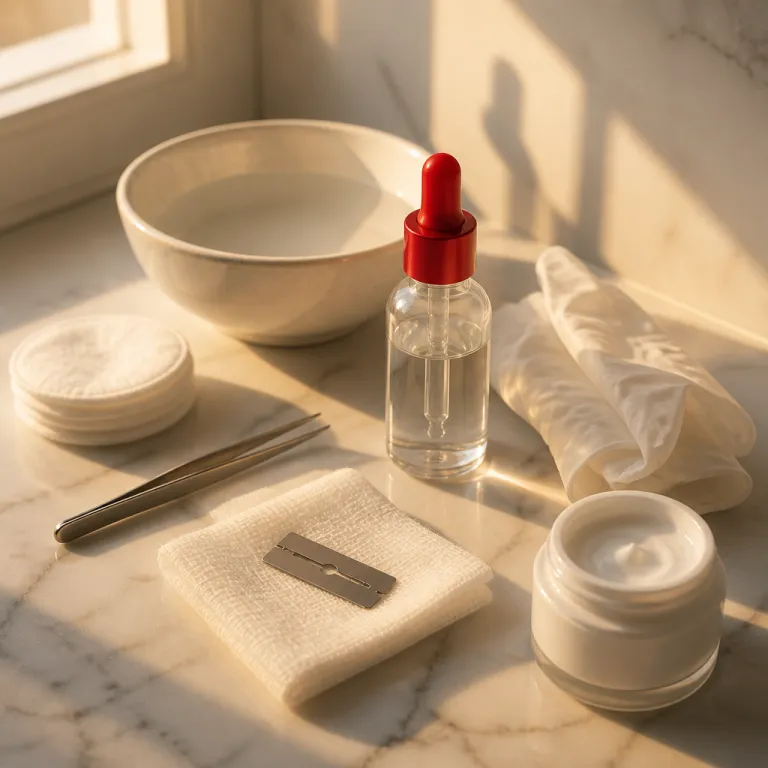
Why ingrown facial hair after dermaplaning happens on luxury treated skin
Ingrown facial hair after dermaplaning feels especially frustrating when every other detail of your skin care routine is couture level. When a sharp blade glides across the face during a dermaplaning session, it removes vellus hair and dead skin but can also alter the angle at which new hair grows, which increases the risk that fine facial hair curls back into the skin after the procedure and becomes trapped. On sensitive skin that is already prone to irritation, this micro trauma to skin cells can leave the complexion red and more vulnerable to post-dermaplaning bumps, particularly in areas where peach fuzz is dense.
Dermaplaning is a physical exfoliation procedure in which a professional uses a sterile, sharp blade to clean the surface of the facial skin and remove both vellus hair and accumulated dead skin cells. When people repeat dermaplaning sessions too frequently or do not focus on preparing skin correctly, the outer barrier can be compromised, which raises the risk of infection and heightens post-facial irritation that encourages ingrown regrowth. Luxury clients who adore high-performance products sometimes layer too many active formulas after dermaplaning, and this cocktail of strong skin care can inflame the skin after treatment, narrowing the follicle opening so that new hair grows sideways instead of straight out.
On the face, vellus hair is naturally soft and usually does not cause problems, yet ingrown facial hair after dermaplaning becomes more common when the blade is held at the wrong angle or pressed too firmly. Any aggressive pressure from a non-professional hand can create tiny nicks in the skin, and those micro cuts make it easier for bacteria to enter, which again increases the risk of infection and can transform a simple ingrown into a pustule that compromises overall skin health. People with active acne or very sensitive skin should often avoid dermaplaning on inflamed areas, because gliding a blade across raised blemishes can spread bacteria, worsen irritation, and dramatically increase the chance that hair grows back into clogged follicles after dermaplaning.
Who should avoid dermaplaning and when luxury skin needs a different approach
Not every face is an ideal candidate for dermaplaning, and understanding when to avoid dermaplaning is essential for anyone investing in luxury skin care. People with widespread active acne, rosacea flares, or extremely sensitive skin face a higher risk that the procedure will aggravate existing inflammation, leaving the skin red and more reactive after the procedure, which in turn encourages ingrown facial hair after dermaplaning. If your skin after a recent peel or laser already feels tight and fragile, adding a sharp blade on top of that compromised barrier can push irritation beyond a safe threshold and significantly increase the risk of infection.
Dermatologists often advise that clients with cystic breakouts or infected lesions avoid dermaplaning entirely until the active acne is under control, because dragging a blade across pustules can rupture them and spread bacteria across the face. That bacterial spread can seed multiple follicles at once, so when new facial hair grows in the weeks after dermaplaning, several ingrown hairs may form in a cluster, which is far harder to treat than a single isolated bump. For luxury-focused people who rely on long-wear foundations tested in rigorous eight-hour wear test conditions, such as those evaluated in a detailed summer humidity wear analysis, clusters of inflamed ingrowns can also interfere with how smoothly makeup sits on the skin.
There are also times when even resilient skin should temporarily avoid dermaplaning, such as immediately after a strong retinoid purge, following microneedling, or within hours after intense sun exposure that has left the skin red. In these situations, the outer barrier is already stressed, and adding a dermaplaning session can turn mild sensitivity into pronounced irritation that encourages post-dermaplaning ingrown hairs by narrowing follicle openings with swelling. A professional will usually assess your skin health in person and may recommend postponing the procedure or focusing on gentler treatments that remove dead skin without a blade, which helps maintain radiance while keeping the risk of ingrown facial hair low.
Preparing skin before the procedure to minimise ingrown facial hair
Preparing skin correctly before a dermaplaning session is the most elegant way to reduce the risk of ingrown facial hair after dermaplaning while preserving that coveted glass skin finish. Two or three days before the procedure, pause strong exfoliating products such as high-strength acids above about 10% and granular scrubs, because over-thinning the outer layer of skin cells makes the face more vulnerable to irritation when the blade passes and can leave the skin red and inflamed after the procedure. People with sensitive skin should also ease off retinoids in the days leading up to dermaplaning, typically stopping prescription-strength formulas three to five days before, since combining a sharp blade with accelerated cell turnover can heighten the risk of infection and increase the chance that new hair grows into swollen follicles rather than emerging cleanly.
On the day of dermaplaning, arrive with impeccably clean skin that is free from makeup, sunscreen, and occlusive balms, because any residue trapped under the blade can be pushed into follicles and contribute to ingrown facial hair after dermaplaning. A professional will usually cleanse the face again and may use an antiseptic wipe to reduce surface bacteria, which is a crucial step for people prone to breakouts or those whose skin after previous procedures has reacted with pustules. This meticulous skin-prep ritual supports overall skin health and helps ensure that when vellus hair and dead skin are removed, the follicles remain as clear as possible so that new facial hair grows out smoothly.
Luxury-oriented clients often ask whether they should avoid dermaplaning if they are using rich, occlusive night creams, and the answer depends on how those products interact with their skin after exfoliation. If a formula tends to clog pores, it is wise to avoid applying it in the hours after dermaplaning, because occlusion over freshly treated skin can trap debris and encourage ingrown vellus hairs as new peach fuzz grows back. Instead, choose lightweight, non-comedogenic products and consider integrating slower, ritual-based techniques such as the mindful massage methods described in guides to gua sha and lymphatic drainage, which support circulation without stressing the freshly exfoliated face.
What to do in the hours after dermaplaning to prevent ingrowns
The first hours after dermaplaning are critical, because what you apply and what you avoid can determine whether your skin enjoys a luminous outcome or develops ingrown facial hair after dermaplaning. Immediately after the procedure, the skin barrier is more permeable, so heavy fragrances, strong acids above about 5–10%, and aggressive retinoids can trigger irritation that swells the follicle opening and makes it easier for new facial hair to curl inward. People who value long-term skin health should instead focus on calming, hydrating products that support the skin after exfoliation, such as fragrance-free serums with hyaluronic acid and barrier-repairing creams that soothe sensitive skin without clogging pores.
For at least twenty-four hours after dermaplaning, avoid intense workouts, saunas, and steam rooms, because heat and sweat can mix with surface bacteria and increase the risk of infection in freshly treated follicles. If the skin after treatment feels warm or looks red, apply a cool compress and a thin layer of a non-occlusive calming gel, which can reduce irritation and help prevent the micro swelling that encourages post-dermaplaning ingrown hairs. People who must wear makeup within hours after the procedure should choose breathable, non-comedogenic formulas and apply them with impeccably clean brushes, because dirty tools can push bacteria into open follicles and compromise skin health.
Sun protection is non-negotiable for luxury clients who want to maintain even tone and avoid post-inflammatory hyperpigmentation from any ingrown facial hair after dermaplaning that might still occur. Use a broad-spectrum mineral sunscreen with at least SPF 30 on the face, and reapply as directed, because ultraviolet exposure on sensitised skin after exfoliation can intensify redness and slow healing. When selecting sun care products, pay close attention to ingredient labels and regulatory updates, and consider reading analyses of new ingredient restrictions and what they mean for luxury shoppers, which can help you find formulas that respect both skin health and evolving safety standards.
Luxury level treatments and at home care for ingrown facial hair
When ingrown facial hair after dermaplaning does appear, a measured, luxury-level treatment strategy can resolve the issue without sacrificing the integrity of the skin. For mild ingrowns where the hair is just beneath the surface, warm compresses applied to clean skin can soften the area and encourage the trapped vellus hair to emerge naturally, which is far safer than digging with unsterile tools that increase the risk of infection. People with sensitive skin should avoid harsh spot treatments that combine strong alcohol with high-strength acids, because these can over-dry the face, worsen irritation, and leave the skin red for days after the procedure.
In a professional setting, dermatologists may recommend targeted treatments such as low-strength salicylic acid around 0.5–2% or azelaic acid creams in the 10–15% range to gently exfoliate the surrounding dead skin cells and free the ingrown facial hair after dermaplaning without damaging the follicle. For recurrent ingrowns on the face, especially in areas where peach fuzz is dense, some clients transition from repeated dermaplaning sessions to alternative hair removal methods such as laser, which can reduce how much facial hair grows back over time and therefore lower the risk of future ingrowns. This shift is particularly helpful for people whose skin after repeated procedures has become more reactive, because it reduces the need for frequent contact with a sharp blade.
At home, maintain a refined skin care routine that respects barrier health, using gentle cleansers, hydrating serums, and non-comedogenic moisturisers that support the skin after any exfoliating treatment. Avoid picking or squeezing ingrown hairs, because this can push the hair deeper, damage surrounding skin cells, and increase the chance of scarring, which is especially concerning for luxury clients who prioritise flawless texture. If an ingrown facial hair after dermaplaning becomes painful, very inflamed, or shows signs of pus, consult a professional promptly, since early medical treatment can prevent complications and preserve the overall elegance of your complexion.
Choosing a professional and tools that respect luxury skin health
The expertise of the professional performing dermaplaning plays a decisive role in whether you experience ingrown facial hair after dermaplaning or enjoy a smooth, luminous result. A qualified practitioner will use a sterile, medical-grade sharp blade designed specifically for facial procedures, rather than a generic tool, and will maintain strict hygiene protocols to minimise the risk of infection and post-treatment irritation. People who adore luxury cosmetics should feel comfortable asking how often blades are changed, how tools are sterilised, and how the professional assesses whether a client’s sensitive skin or active acne makes them unsuitable for the procedure.
During consultation, a skilled expert will examine how your facial hair grows, map areas of denser vellus hair, and evaluate the overall condition of your skin after previous treatments to tailor the dermaplaning session accordingly. They may adjust pressure, angle, and number of passes with the blade on different parts of the face, which helps remove dead skin effectively while reducing trauma that can lead to ingrown facial hair after dermaplaning. People with a history of ingrowns should mention this clearly, because a professional can then focus on gentler strokes and may recommend longer intervals between sessions, often four to six weeks or more, to protect skin health.
At home, avoid using unregulated dermaplaning tools that promise spa results but lack the precision and safety controls of professional equipment, because these devices often increase the risk that hair grows back at awkward angles and becomes trapped. Luxury skin care is about long-term results, not quick fixes, so it is wiser to invest in fewer, higher-quality treatments with a trusted professional than to experiment with frequent, unsupervised dermaplaning that leaves the skin red and irritated. When your practitioner combines impeccable technique with a curated post-treatment routine, the likelihood of ingrown facial hair after dermaplaning drops dramatically, and your complexion can fully showcase the radiance of your favourite luxury products.
Integrating dermaplaning into a long term luxury skin care strategy
For people devoted to luxury cosmetics, dermaplaning should sit within a broader skin care architecture that prioritises barrier strength, even tone, and minimal irritation, rather than existing as an isolated procedure that risks recurrent ingrown facial hair after dermaplaning. Schedule dermaplaning sessions strategically around other treatments such as peels, lasers, or injectables, leaving enough time for the skin after each procedure to recover fully so that facial hair grows back through calm, uninflamed follicles. This spacing reduces cumulative trauma to skin cells and helps prevent the cycle of redness, swelling, and ingrowns that can follow overly aggressive treatment plans.
Between appointments, maintain a consistent routine that gently removes dead skin without over-exfoliating, using mild chemical exfoliants once or twice weekly instead of daily scrubs that can roughen the face. People with sensitive skin should pay close attention to how their complexion responds in the days after dermaplaning, adjusting active ingredients if the redness persists or if irritation appears around follicles where vellus hair was removed, because these are early signs that ingrown facial hair after dermaplaning may develop. Keeping a simple skin care journal can help you find patterns, such as specific products that trigger flare-ups when used too soon after the procedure.
Ultimately, the goal is to align every dermaplaning session, every product, and every professional treatment with the long-term health of your skin, so that luxury formulas enhance rather than mask your natural radiance. When you respect the timing of procedures, choose a professional who understands how your facial hair grows, and curate a routine that supports recovery in the crucial hours after dermaplaning, the risk of infection and the likelihood of ingrown hairs both decline significantly. In that context, dermaplaning becomes a refined tool in your arsenal, delivering a smooth canvas for makeup and skin care without compromising the integrity of your complexion.
Key statistics on dermaplaning, irritation, and ingrown hair risk
- A survey published by the American Society for Dermatologic Surgery (ASDS) reported that more than 70% of patients seeking professional exfoliation treatments chose methods such as microdermabrasion or dermaplaning primarily to improve texture and makeup application, highlighting how strongly people associate these procedures with a smoother canvas for luxury products. This figure is based on self-reported patient motivations rather than controlled clinical outcomes.
- Reports from dermatology practices and small observational studies suggest that post-procedure complications such as infection or significant irritation are relatively uncommon when strict hygiene and proper blade technique are used, underscoring the importance of choosing a qualified practitioner to minimise the risk of infection and post-dermaplaning ingrown facial hair. Exact complication rates vary between clinics and are not standardised across all studies.
- Research on hair growth patterns shows that curly or wavy hair types are more likely to develop ingrown hairs after any form of hair removal compared with straight hair, which means clients with naturally textured facial hair must be especially cautious about how often they schedule dermaplaning and how they care for the skin after treatment. These findings come from broader hair removal literature rather than dermaplaning-only trials.
- Studies on skin barrier function demonstrate that overuse of physical exfoliation can increase transepidermal water loss and correlate with higher rates of redness and irritation, reinforcing the general recommendation from dermatology guidelines to space dermaplaning sessions several weeks apart to protect overall skin health. The commonly cited interval of about four to six weeks is expert consensus rather than a rigid, evidence-locked rule.
FAQ – ingrown facial hair after dermaplaning
How long does irritation and redness usually last after dermaplaning ?
For most people with healthy skin, mild redness after dermaplaning fades within a few hours, especially when soothing, fragrance-free products are used and heat exposure is avoided. If the redness persists beyond forty-eight hours or becomes painful, this may indicate irritation or early infection around follicles where facial hair grows, and you should consult a professional. Prolonged redness can increase the likelihood of ingrown facial hair after dermaplaning, so it deserves prompt attention.
Can I wear makeup immediately after a dermaplaning session ?
Ideally, you should wait at least several hours after dermaplaning before applying makeup, allowing the skin after treatment to settle and the micro channels created by the blade to begin closing. If you must apply makeup sooner, choose lightweight, non-comedogenic formulas and use impeccably clean tools to reduce the risk of infection and clogged follicles that can lead to ingrown facial hair after dermaplaning. Heavy, occlusive foundations can trap sweat and bacteria against freshly exfoliated skin cells, so they are best avoided for the first day.
Does dermaplaning make facial hair grow back thicker or darker ?
Dermaplaning cuts vellus hair at the surface and does not change the diameter or colour of the hair root, so facial hair does not grow back thicker or darker. However, the blunt tip created by the blade can make regrowth feel slightly different to the touch, which some people misinterpret as increased thickness. This altered texture does not increase the risk of ingrown facial hair after dermaplaning by itself, but irritation and swelling around follicles can.
How often can I safely schedule dermaplaning without increasing ingrowns ?
Most dermatology professionals recommend spacing dermaplaning sessions about four to six weeks apart, which allows the skin after each procedure to recover fully and vellus hair to complete a growth cycle. More frequent treatments can over-exfoliate the face, weaken the barrier, and raise the risk that new hair grows into inflamed follicles, leading to ingrown facial hair after dermaplaning. People with sensitive skin or a history of ingrowns may benefit from even longer intervals, tailored by their practitioner.
What should I do if an ingrown facial hair becomes painful or infected ?
If an ingrown facial hair after dermaplaning becomes very tender, swollen, or filled with pus, avoid squeezing or attempting to remove the hair yourself, because this can push bacteria deeper and worsen the risk of infection. Keep the area clean, apply a warm compress, and seek professional care, especially if you notice spreading redness or systemic symptoms. Early treatment with appropriate topical or oral medications can resolve the issue quickly and protect the long-term health and appearance of your skin.