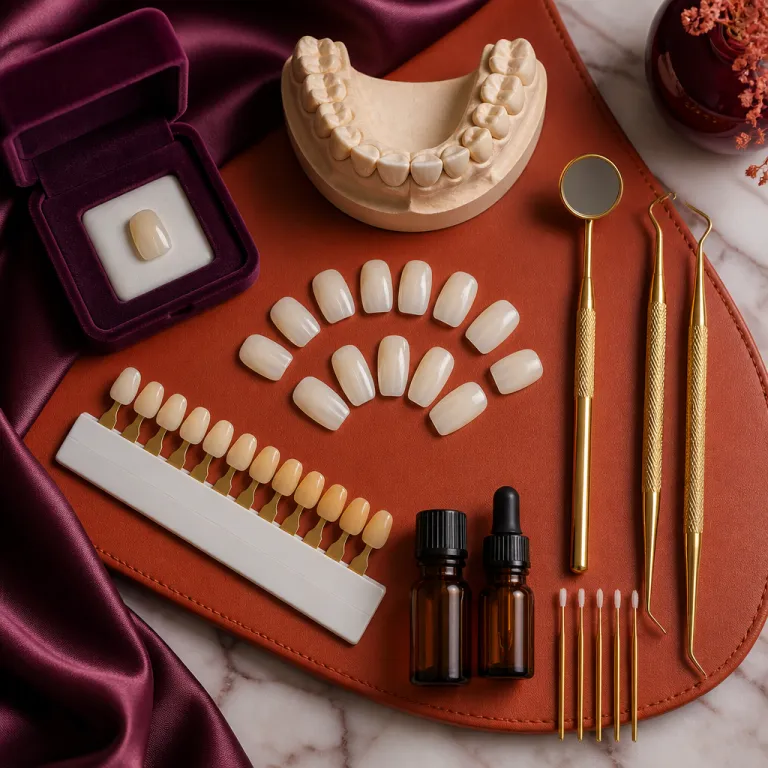

How to write about a natural looking smile makeover for luxury readers
Writing about how to achieve a natural looking smile makeover as a guest author demands the same precision as a haute couture lipstick launch. When you address a luxury audience, every mention of a smile makeover, every reference to a dental treatment, and every description of cosmetic dentistry in a luxury clinic must feel as curated as a limited edition compact, while still answering the reader’s need for clarity about real dental procedures. Your role is to guide readers through natural smile makeovers with language that reflects clinical accuracy, aesthetic sensitivity, and the emotional value of a confident smile.
Understanding how to achieve a natural looking smile makeover as a guest author
Begin by framing a smile makeover as a bespoke cosmetic journey rather than a one size fits all dental makeover. Explain that a natural looking full smile depends on a tailored treatment plan that may include teeth whitening, porcelain veneers, zirconia crowns, or even dental implants, and that each element must respect the reader’s facial proportions, lip volume, and skin tone just as a foundation shade would. When you write, connect these dental care decisions to familiar luxury beauty rituals, so patients can easily read and relate to how enhancing appearance in dentistry mirrors their daily cosmetic routines.
Clarify that cosmetic dentistry in a high end dental clinic operates much like a luxury skincare atelier, where years experience, digital planning tools, and meticulous shade matching create subtle smile transformations rather than obvious full mouth overhauls. As a guest author, you should describe how clinics use digital dentistry to preview a full arch or full smile makeover, showing patients realistic before and after simulations that avoid exaggerated results. This approach reassures international patients and local readers alike that a natural smile makeover is about refinement, not radical change, and that long term dental care is central to maintaining those results. Where possible, reference peer reviewed sources or market reports to support your claims, such as industry analyses on cosmetic dentistry growth (for example, Grand View Research, Cosmetic Dentistry Market Size, Share & Trends, 2022) or surveys from professional bodies like the American Academy of Cosmetic Dentistry (AACD, Cosmetic Dentistry Consumer Preferences Survey, 2017).
To make this more concrete, you might outline a concise case: a patient with small chips and mild discolouration who undergoes in clinic whitening followed by four minimal preparation porcelain veneers on the upper front teeth. Describe how the dentist adjusts tooth length by 0.5–1 mm, softens sharp corners, and selects a shade that is two steps brighter than the original colour, resulting in a natural smile makeover that looks refreshed rather than “done”. This type of specific example helps readers visualise the process and outcome without needing technical diagrams.
Translating luxury beauty language into cosmetic dentistry narratives
Readers who adore luxury cosmetics already understand nuance in texture, finish, and undertone, so your guest author guidelines should translate that vocabulary into the world of cosmetic dentistry. When you describe teeth whitening or porcelain veneers, compare shade selection to choosing the right luminous foundation or sheer lipstick, because this helps patients visualise how subtle shifts in teeth colour can enhance a confident smile without looking artificial. Use sensory language sparingly yet precisely, focusing on how a smile makeover should feel comfortable, balanced, and harmonious with the rest of the face.
When you write about dental treatments such as zirconia crowns, porcelain veneers, or a full arch of dental implants, avoid technical overload and instead anchor each term in a clear benefit that beauty lovers will instantly grasp. For example, explain that zirconia crowns offer strength similar to a long wear foundation, while porcelain veneers provide translucency like a high end serum infused tint, and that both can be combined in a single treatment plan for complex smile makeovers. If you mention a full mouth rehabilitation, clarify that this is a comprehensive case where multiple dental procedures are layered, much like a multi step skincare routine designed for long term enhancing appearance.
Luxury readers also care deeply about performance in real life, so reference durability and comfort the way you would in an eight hour wear test for makeup. When you discuss a dental clinic or several clinics, highlight how years experience and advanced digital dentistry workflows reduce chair time, improve fit, and create predictable smile transformations that stand up to daily life, social events, and high definition photography. You can even draw a parallel with humidity proof makeup tests, subtly linking to an in depth review of which summer formulas actually survive humidity, to show that both cosmetic products and dental treatments must perform under pressure. To make your narrative more tangible, describe a typical case example: for instance, a patient whose smile was brightened with whitening and four porcelain veneers to correct worn edges, resulting in a subtle yet camera ready transformation that still looked like their own teeth.
Structuring a luxury focused smile makeover treatment plan on the page
To write convincingly about how to achieve a natural looking smile makeover, you need to show readers how a dentist structures a treatment plan with the same care a makeup artist builds a runway look. Start by outlining the consultation phase, where patients share their aesthetic goals, dental history, and lifestyle, and where the cosmetic dentistry team evaluates teeth alignment, gum health, and facial symmetry. Emphasise that this stage is as personal as a one to one foundation matching session at a luxury counter, where every detail informs the final result.
Next, walk readers through how clinicians design treatment plans using digital dentistry tools, from 3D scans to smile design software that previews the full smile. Explain that a single case may combine teeth whitening, minimal preparation porcelain veneers, and carefully placed dental implants to replace missing teeth, and that each step is sequenced to protect oral health while enhancing appearance. When you describe these dental procedures, keep the language accessible yet precise, so international patients and local readers can easily read and understand the difference between a simple cosmetic treatment and a full mouth reconstruction. Consider including a schematic before and after image or diagram that shows how tooth length, symmetry, and colour were adjusted, so readers can visualise the stages of change rather than imagining a single dramatic reveal.
When you suggest visuals, describe them clearly for accessibility and search engines. For example, you might propose an illustration with alt text such as “before and after natural smile makeover with porcelain veneers in a luxury dental clinic”, showing a close up of four upper front teeth before whitening and veneer placement and the same teeth after treatment, with slightly longer edges, softened angles, and a brighter yet believable shade.
Finally, show how a luxury dental clinic manages the execution phase, including trial smiles, temporary veneers, and adjustments that refine the final smile makeover. Draw a parallel with testing a new foundation method that beats a quick swatch on the jaw, and reference a detailed guide such as finding your foundation match with a more accurate method to illustrate the value of real world testing. This comparison helps readers appreciate why multiple appointments, careful shade checks, and feedback from patients are essential to achieving natural looking smile makeovers that feel as bespoke as their favourite couture lipstick.
Detailing key dental procedures with a luxury cosmetic lens
When you describe specific dental procedures, treat each one like a hero product in a luxury skincare line, giving it space, context, and clear positioning. For teeth whitening, explain the difference between in clinic power whitening and at home trays, and relate it to choosing between an intensive brightening mask and a gradual radiance serum, both contributing to a more luminous smile. Clarify that whitening is often the first treatment in a smile makeover, setting the base shade before porcelain veneers or zirconia crowns are crafted to match.
Porcelain veneers deserve particular attention, because they are the cosmetic dentistry equivalent of a perfectly tailored silk dress that skims rather than reshapes the body. Describe how ultra thin porcelain veneers can refine tooth shape, close small gaps, and correct minor misalignments while preserving much of the natural teeth structure, which is crucial for long term dental care and comfort. When you mention full arch restorations or dental implants, explain that these are more complex treatments often reserved for cases with missing teeth or severe wear, and that they require meticulous planning to achieve a natural full smile rather than a uniform, artificial look.
Readers also appreciate transparency about materials and technology, so outline why many high end clinics favour zirconia for strength in back teeth and layered porcelain for lifelike translucency in the front. Highlight how digital workflows, from intraoral scanning to computer guided implant placement, improve precision and reduce the need for messy impressions, elevating the overall patient experience. You can enrich this narrative by linking to advanced skincare innovations such as a new ingredient that exfoliates from within the skin, showing that both luxury skincare and cosmetic dentistry are embracing cutting edge technologies to deliver refined, natural looking transformations. To balance enthusiasm with realism, briefly acknowledge that all procedures carry potential risks, including temporary sensitivity after whitening, veneer fractures, or implant complications, and encourage readers to discuss contraindications such as uncontrolled gum disease, smoking, or certain medical conditions with their dentist before committing to treatment.
Writing for international patients and high expectation readers
Guest authors who address international patients must balance aspirational storytelling with practical guidance, especially when discussing a smile makeover in a destination dental clinic. Explain clearly how readers can evaluate clinics, from checking years experience in cosmetic dentistry to reviewing full case galleries of smile makeovers that show realistic, natural results rather than over edited images. Encourage them to read patient testimonials that mention comfort, communication, and aftercare, because these details reveal as much about the clinic as the final confident smile.
When you cover logistics, describe how leading clinics support international patients with virtual consultations, digital treatment plans, and coordinated schedules that minimise travel time while allowing for safe healing between dental procedures. Clarify that complex treatments such as full arch dental implants or full mouth reconstructions may require multiple visits, and that rushing these steps can compromise both aesthetics and long term dental care. Position this planning as similar to curating a seasonal beauty wardrobe, where timing, layering, and maintenance all contribute to a polished, enduring result.
Address cost and value with the same candour you would use when comparing luxury skincare regimens, focusing on investment over impulse. Explain that while high end cosmetic dentistry in reputable clinics may require a significant budget, the combination of advanced materials, digital workflows, and experienced teams often delivers better durability and fewer revisions. This perspective helps readers understand that a thoughtfully planned smile makeover, supported by consistent home care and professional maintenance, can offer years of daily confidence every time they smile, speak, or wear their favourite lipstick. Close your article with a concise call to action, inviting readers to schedule a consultation with a qualified cosmetic dentist, prepare a list of questions about digital planning and materials, and bring reference photos that reflect the subtle, natural looking results they hope to achieve.
Aftercare, longevity, and aligning dental care with luxury beauty rituals
Luxury beauty enthusiasts already follow disciplined routines, so your guest author guidelines should show how smile makeover aftercare fits seamlessly into their existing rituals. Emphasise that maintaining porcelain veneers, zirconia crowns, and dental implants requires meticulous yet manageable dental care, including gentle brushing, interdental cleaning, and regular visits to the dental clinic for professional checks. Present these habits as the oral equivalent of double cleansing, targeted serums, and scheduled facials, all working together to preserve a luminous, confident smile.
Explain that long term success for full smile transformations depends on protecting both the restorations and the underlying teeth and gums, especially in complex full arch or full mouth cases. Encourage readers to avoid using their teeth as tools, to wear night guards if recommended, and to schedule periodic reviews of their treatment plans so that any minor issues can be addressed before they affect the overall enhancing appearance of the smile. This proactive approach mirrors how beauty connoisseurs monitor skin changes and adjust their routines, reinforcing the idea that a smile makeover is a living, evolving investment.
Finally, invite readers to integrate their new smile into their cosmetic wardrobe, experimenting with lipstick shades, highlighters, and even subtle contouring that flatter their updated dental aesthetics. Suggest that they read professional makeup advice tailored to brighter teeth, such as choosing blue based reds or soft rose tones that enhance whiteness without exaggeration. By closing the loop between cosmetic dentistry, daily beauty rituals, and personal style, you help patients experience their smile makeovers not as isolated dental treatments but as central, empowering elements of their overall luxury self care philosophy. As a guest author, you can reinforce this message by briefly sharing your own credentials, such as collaboration with cosmetic dentists or beauty brands, so readers understand the expertise behind your guidance.
Key figures on cosmetic dentistry and smile makeovers
- Global cosmetic dentistry revenue exceeded 30 billion US dollars according to Grand View Research, reflecting strong demand for treatments such as teeth whitening, porcelain veneers, and dental implants among appearance conscious patients (Grand View Research, Cosmetic Dentistry Market Size, Share & Trends, 2022).
- Surveys from the American Academy of Cosmetic Dentistry report that more than 80 percent of patients seeking a smile makeover cite improved self confidence as their primary motivation, underscoring the emotional impact of a confident smile (American Academy of Cosmetic Dentistry, Cosmetic Dentistry Consumer Preferences Survey, 2017).
- Clinical studies show that porcelain veneers and zirconia crowns can last 10 to 15 years or longer with proper dental care, making them a long term investment comparable to high end aesthetic procedures in dermatology (for example, Beier et al., Clinical performance of porcelain laminate veneers for up to 20 years, Journal of Adhesive Dentistry, 2012; Sailer et al., All ceramic versus metal ceramic tooth supported fixed dental prostheses, Clinical Oral Implants Research, 2007).
- Digital dentistry adoption has grown rapidly, with research indicating that intraoral scanners can reduce impression errors and remakes by up to 50 percent, improving both treatment plans and overall patient experience in modern clinics (Mangano et al., Intraoral scanners in dentistry: a review of the current literature, BMC Oral Health, 2017).
- Data from dental tourism agencies suggest that international patients can save between 30 and 60 percent on complex full mouth reconstructions when travelling to reputable destination clinics, although careful vetting of years experience and clinical standards remains essential (Dental Tourism Association, Global Dental Tourism Market Overview, 2020).
FAQ about natural looking smile makeovers in luxury cosmetic dentistry
How natural can porcelain veneers and crowns really look ?
High quality porcelain veneers and zirconia based crowns can be layered and tinted to mimic the translucency, texture, and subtle colour variations of natural teeth, especially when crafted by experienced dental technicians using digital shade mapping. In a luxury dental clinic, the dentist will often create a trial smile and adjust shape and brightness based on your feedback, ensuring the final result harmonises with your skin tone, lip shape, and facial features. This collaborative process is what allows modern smile makeovers to look refined rather than artificial.
Is teeth whitening always necessary before a smile makeover ?
Teeth whitening is not mandatory, but many cosmetic dentistry teams recommend it as a first step when natural teeth are darker than the desired final shade. Whitening establishes a brighter baseline so that any porcelain veneers or crowns can be matched to a more luminous yet still believable colour. Your dentist will include this decision in your personalised treatment plan, taking into account tooth sensitivity, existing restorations, and your long term maintenance preferences.
How long does a full smile makeover usually take ?
The timeline for a full smile makeover varies widely depending on the complexity of the case and the dental procedures involved. Simple combinations of teeth whitening and a few veneers may be completed within several weeks, while full arch or full mouth reconstructions involving dental implants can require several months to allow for healing and precise fabrication. A reputable clinic will outline each phase clearly, from initial consultation to final adjustments, so you can plan travel, work, and beauty appointments around your treatment.
Are smile makeovers suitable for international patients with limited time ?
Many clinics that work with international patients design condensed yet safe schedules, using digital consultations and pre planning to reduce time spent on site. However, complex treatments such as multiple implants or extensive bite corrections may still require staged visits to protect healing and ensure long term success. When time is limited, your dentist may propose a phased treatment plan that addresses the most visible concerns first, with additional refinements scheduled for future trips.
What daily habits help maintain a new smile makeover ?
Consistent home care is essential, including twice daily brushing with a soft brush, interdental cleaning, and the use of non abrasive toothpaste to protect porcelain surfaces. Avoiding smoking, limiting highly pigmented drinks, and wearing a night guard if you grind your teeth will also extend the life of veneers, crowns, and implants. Regular professional check ups and cleanings at your chosen dental clinic complete the routine, ensuring your confident smile remains bright and stable for many years.