
Does oil pulling really whiten teeth for a couture smile ?
Luxury beauty lovers often ask whether oil pulling can genuinely whiten teeth. Beyond the headline question of does oil pulling really whiten teeth, the deeper issue is how this ancient ritual fits into a high performance oral health routine that respects both aesthetics and science. When you invest in premium lipstick and high jewellery inspired highlighters, you expect your teeth and smile to match that elevated standard.
Oil pulling is an ancient oral hygiene practice where you swish oil in the mouth for several minutes. Most people use coconut oil for oil pulling because it feels pleasant, tastes mild, and is easy to integrate into a morning ritual that already includes luxury skincare and professional grade sunscreen. During this pulling oil movement, the viscous texture traps bacteria in the mouth and may help reduce harmful bacteria that contribute to gum disease and bad breath.
From a scientific evidence perspective, the data on whether you can significantly whiten teeth with oil pulling remains limited. A randomized controlled trial in the Journal of Clinical and Diagnostic Research (Asokan et al., 2008, DOI: 10.4103/0973-709X.44005) found that daily sesame oil pulling reduced Streptococcus mutans counts in plaque and saliva by a similar percentage to chlorhexidine mouthwash after two weeks, but the study did not report meaningful shade changes in tooth colour. Other small clinical trials, such as Peedikayil et al. (2015, Journal of Contemporary Dental Practice, DOI: 10.5005/jp-journals-10024-1665), show modest reductions in bacteria mouth counts and plaque, which indirectly support gum health and overall oral health rather than dramatic teeth whitening effects.
When readers ask whether an oil mouth routine truly brightens teeth, the honest answer is that it may slightly reduce surface stains but cannot replace professional whitening treatments performed by a dentist. The American Dental Association (ADA) notes in its 2014 statement on oil pulling (ADA Council on Scientific Affairs, 2014, available via ADA.org) that there is currently insufficient evidence to recommend oil pulling as a substitute for standard oral hygiene practices such as brushing with fluoride toothpaste and flossing, especially for preventing cavities or gum disease.
For luxury focused consumers, the appeal lies in pairing a sensorial coconut oil pulling ritual with high end dental care. You might use a designer electric toothbrush, a gentle whitening toothpaste, and then finish with a curated oil pulling step to support gum health and fresher breath. In this context, the discussion around does oil pulling really whiten teeth contributes to our blog because it bridges holistic wellness, oral hygiene, and the pursuit of a whiter smile that complements couture makeup.
It is essential to understand that oil pulling safe routines should never replace regular dental checkups. A professional dentist can identify gum disease, enamel erosion, and deep stains that no oil mouth practice can address alone. Used wisely, oil pulling and coconut oil rituals become an elegant complement to evidence based teeth whitening, not a miracle shortcut.
How luxury routines can integrate oil pulling without compromising dental health
High end beauty rituals thrive on layering, and oral hygiene should follow the same philosophy. When you design a routine around the question of whether oil pulling can help whiten teeth, think of oil pulling as one refined layer in a complete dental wardrobe rather than the star of the show. The best results come when oil pulling supports, rather than replaces, meticulous brushing, flossing, and targeted whitening treatments.
A typical luxury morning might start with a glass of water, then ten to fifteen minutes of gentle pulling oil with warm coconut oil while you apply your serum and SPF. This oil mouth phase allows the oil to move between teeth, potentially lifting some surface stains and reducing harmful bacteria that cause bad breath and compromise gum health. After spitting the oil into a tissue, you still need a professional grade toothpaste and a soft brush to clean teeth and protect enamel.
For those who adore spa like rituals, pairing oil pulling with a silk floss and a minimalist, alcohol free mouthwash can feel indulgent yet clinically smart. You can then book in office teeth whitening with your dentist once or twice a year, using oil pulling in the weeks between appointments to maintain oral health and a luminous smile. In this layered strategy, the conversation about does oil pulling really whiten teeth contributes to our blog by showing how a traditional practice can live comfortably beside cutting edge whitening treatments.
Luxury beauty is also about maintenance, as anyone who cares for hair extensions knows from guides such as the art of flawless extension maintenance for luxurious hair. The same philosophy applies to dental care, where consistent, gentle habits preserve results from professional procedures. Oil pulling safe routines, when supervised by a dentist, can support gum health and help keep teeth looking polished between whitening sessions.
Always consult your dental professional before adding new oral health techniques, especially if you have fillings, crowns, or a history of gum disease. A dentist can advise whether oil pulling is appropriate for your teeth and gums, and how often you should use coconut oil or other oils. This personalised guidance ensures that your pursuit of a whiter smile remains aligned with long term oral hygiene and overall health.
Scientific evidence, whitening limits, and what luxury clients should expect
When evaluating how much oil pulling can actually whiten teeth, the key issue is scientific evidence. Luxury consumers are increasingly data driven, and they expect the same level of proof for oral health rituals as for advanced serums or clinical peels. So what does current research actually say about oil pulling and teeth whitening ?
Several small studies suggest that oil pulling with coconut or sesame oil can reduce certain harmful bacteria in the mouth, particularly Streptococcus mutans, which is associated with plaque and cavities. In some trials, bacterial counts in plaque and saliva dropped significantly within two to four weeks of daily oil pulling, indicating a measurable impact on oral hygiene. This reduction in bacteria mouth levels can improve gum health and overall oral hygiene, leading to fresher breath and a cleaner feeling smile. However, these trials are limited in size and duration, and the scientific evidence does not show dramatic teeth whitening comparable to peroxide based whitening treatments.
In practical terms, oil pulling may help whiten teeth slightly by reducing plaque and superficial stains, especially when combined with regular brushing and flossing. It will not, however, lift deep intrinsic stains caused by ageing, medication, or long term coffee and red wine consumption, which require professional teeth whitening by a dentist. When readers ask whether oil based pulling can brighten teeth enough for a red carpet event, the honest answer is that oil pulling alone cannot deliver that level of transformation.
Luxury clients who want a whiter smile should view oil pulling as a supportive wellness step, not a substitute for in office whitening treatments or custom trays. A dentist can tailor a whitening plan that respects enamel, manages sensitivity, and targets specific stains, while oil pulling may help maintain results between visits. This balanced approach aligns with the same performance mindset used when testing long wear makeup, similar to the scrutiny applied in an eight hour wear test such as which summer formulas actually survive humidity.
For those who invest in luxury lipsticks and high gloss balms, the contrast between lip colour and teeth shade becomes especially visible. A slightly brighter smile from consistent oral hygiene, including optional oil pulling, can enhance every makeup look without overpromising miracles. The key is to align expectations with the current level of evidence oil based rituals can offer, and to keep your dentist at the centre of any whitening strategy.
Techniques and tutorials : elevating oil pulling into a luxury ritual
Trend alerts in luxury cosmetics increasingly blur the line between skincare, wellness, and oral health. Within this context, exploring whether oil pulling can help whiten teeth contributes to our blog by offering a technique that can be styled as a daily beauty ritual rather than a quick fix. The goal is to transform a simple oil pulling practice into a sensorial experience that feels as curated as your fragrance wardrobe.
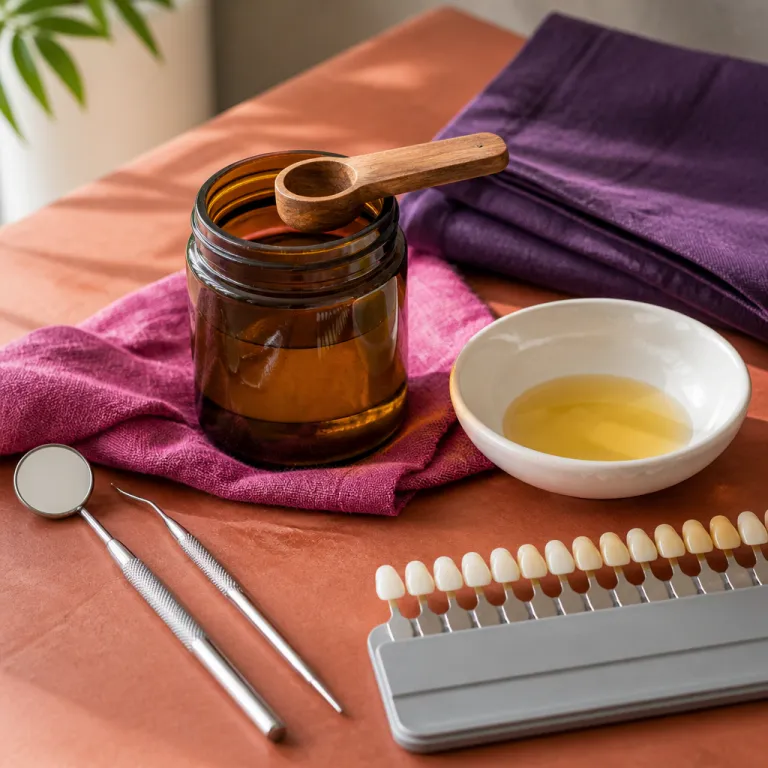
Start by choosing a high quality, cold pressed coconut oil for your oil pulling routine, ideally in a glass jar that looks at home beside your luxury skincare. Take one tablespoon, let it melt in the mouth, then begin a gentle pulling motion through the teeth for ten to twenty minutes while you apply eye cream or style your hair. This slow, mindful pulling oil movement helps the oil reach between teeth and around the gum line, where bacteria can accumulate and contribute to gum disease and bad breath.
Spit the used oil into a tissue or bin, never into the sink, to avoid plumbing issues from solidified oil. Rinse the mouth with warm water, then brush thoroughly with a soft brush and a toothpaste approved by your dentist to complete the oral hygiene sequence. Over time, this layered approach can support gum health, reduce bacteria mouth levels, and subtly whiten teeth by minimising new stains.
For those who love tutorials, consider pairing oil pulling with a weekly at home spa evening. You might apply a hydrating face mask, light a candle, and perform your oil mouth ritual while listening to a guided meditation that focuses on self care and confidence in your smile. This transforms a clinical sounding practice into a luxurious habit that supports both oral health and emotional wellbeing.
Remember that even the best technique cannot replace professional advice. Ask your dentist whether oil pulling safe routines suit your specific dental history, especially if you have crowns, veneers, or active gum disease. Used thoughtfully, oil pulling becomes one more refined tool in your beauty arsenal, sitting comfortably beside silk pillowcases, facial massage, and couture makeup brushes.
From mouthwash to oil mouth rituals : comparing luxury oral care options
Many readers who wonder whether oil pulling can really whiten teeth are already using premium mouthwash and whitening toothpaste. The question becomes how an oil mouth ritual compares with these established products in terms of whitening, breath, and overall oral health. Understanding the differences helps you curate a routine that feels both indulgent and clinically sound.
Traditional mouthwash, especially alcohol based formulas, can deliver a quick burst of freshness and temporarily reduce some harmful bacteria in the mouth. However, frequent use of harsh formulas may irritate the gum line or disrupt the oral microbiome, which is why many dentists now recommend gentler, alcohol free options. Oil pulling with coconut oil offers a different mechanism, relying on the oil’s ability to bind to bacteria mouth particles during the pulling motion rather than on chemical antiseptics.
In terms of whitening, neither mouthwash nor oil pulling can match professional teeth whitening performed by a dentist, which uses controlled concentrations of hydrogen peroxide or carbamide peroxide. In office whitening can often lighten teeth by three to eight shades on a standard shade guide, while at home whitening toothpaste and similar products usually focus on removing surface stains and may take several weeks to show subtle changes of one to two shades. Both mouthwash and oil pulling can, however, support a whiter smile indirectly by reducing new stains and maintaining oral hygiene between whitening treatments.
Luxury oral care brands now offer beautifully packaged mouthwash concentrates, enamel safe whitening pens, and even gold toned toothbrushes that turn the bathroom shelf into a vanity. Integrating oil pulling into this landscape is less about replacing products and more about adding a sensorial, wellness inspired step that aligns with a holistic view of health. For many, the quiet ritual of swishing coconut oil each morning becomes as grounding as applying a favourite serum.
Always remember that the best routine is the one approved by your dental professional and sustainable for your lifestyle. If you enjoy the texture and taste of coconut oil and feel that oil pulling supports your gum health and confidence in your smile, it can earn a place beside your chosen mouthwash. If not, focus on evidence based products and regular checkups, knowing that true luxury lies in long term oral health rather than quick, unproven promises.
Luxury lifestyle, whiter smiles, and realistic expectations for oil pulling
For those who live in a world of couture gowns, curated vanity tables, and limited edition palettes, the question of whether oil pulling can genuinely whiten teeth speaks to a deeper desire. You want every detail, from hair to nails to teeth, to reflect intention and care. A luminous smile frames every lipstick and every candid photograph, making oral health a non negotiable part of the luxury lifestyle.
Oil pulling with coconut oil can support this vision by promoting gum health, reducing some harmful bacteria, and helping to manage bad breath when used consistently. These benefits contribute to a cleaner, more polished smile, even if the whitening effect remains modest compared with in office treatments. When combined with professional cleanings, tailored whitening treatments, and daily oral hygiene, oil pulling becomes one more thread in a finely woven tapestry of self care.
Readers often ask whether pulling safe routines can replace a visit to the dentist, especially if they feel nervous about clinical settings. The answer is unequivocal ; no at home oil pulling ritual can diagnose gum disease, repair enamel, or remove deep stains the way a trained dentist can. True luxury lies in partnering with a trusted dental professional who understands both aesthetics and health, then using oil pulling as a supportive, sensorial practice between appointments.
In the same way that a chic beauty look for a national holiday balances statement colour with restraint, as explored in beauty that reads chic, not costume, your oral care should balance trend and evidence. Oil pulling may be a trend alert in wellness circles, but its place in a luxury routine depends on aligning expectations with current scientific evidence. Use it to enhance your daily ritual, not to replace proven whitening treatments or essential dental care.
Ultimately, a whiter smile is only one aspect of oral health, which also includes strong gums, balanced bacteria mouth ecosystems, and comfortable breath. When you treat oil pulling as a gentle ally rather than a miracle cure, you respect both your teeth and the science that protects them. That mindset, more than any single product, defines the modern luxury approach to beauty and wellbeing.
Key statistics on oil pulling, oral health, and whitening
- A randomized controlled trial published in the Journal of Clinical and Diagnostic Research (Asokan et al., 2008, DOI: 10.4103/0973-709X.44005) reported that oil pulling with sesame oil reduced Streptococcus mutans bacteria in plaque and saliva after two weeks, showing a similar reduction to chlorhexidine mouthwash, but the study did not measure significant teeth whitening effects.
- According to the American Dental Association, there is currently insufficient scientific evidence to support oil pulling as a replacement for standard oral hygiene practices such as brushing with fluoride toothpaste and flossing, especially for preventing cavities or gum disease (ADA Council on Scientific Affairs, 2014, oil pulling literature review).
- Professional in office teeth whitening can lighten teeth by several shades in one session, often around three to eight shades depending on the system used, while over the counter whitening toothpaste typically removes only surface stains and may take several weeks to show subtle changes, highlighting the performance gap between cosmetic whitening treatments and home rituals like oil pulling.
- Surveys of cosmetic dentistry patients published by the American Academy of Cosmetic Dentistry (AACD, 2013 National Survey, available via aacd.com) indicate that more than 90 % of respondents believe an attractive smile is important for social confidence and professional success, which explains the growing interest in complementary practices such as oil pulling alongside traditional dental care.
- Studies on the oral microbiome suggest that a balanced community of bacteria in the mouth is essential for long term oral health, and aggressive overuse of antiseptic mouthwash may disrupt this balance, which is why some practitioners explore gentler approaches like oil based pulling as adjunctive, not primary, care.
FAQ : oil pulling and luxury level teeth whitening
Can oil pulling replace professional teeth whitening for a noticeably whiter smile ?
No, oil pulling cannot replace professional teeth whitening performed by a dentist. It may help reduce surface stains and support oral hygiene, but it does not have the bleaching power of peroxide based whitening treatments used in clinics.
Is oil pulling safe for enamel and dental work such as crowns or veneers ?
Oil pulling is generally considered gentle on enamel, but anyone with crowns, veneers, or extensive restorations should consult a dentist first. Your dental professional can assess whether the pulling motion or prolonged exposure to oil is appropriate for your specific situation.
How often should I practice oil pulling if I already have an excellent oral hygiene routine ?
For most people with good oral hygiene, oil pulling once a day or a few times per week is sufficient if their dentist approves. The key is consistency and ensuring that oil pulling complements, rather than replaces, brushing, flossing, and regular checkups.
Which oil is best for oil pulling if I want both comfort and potential benefits ?
Coconut oil is the most popular choice for oil pulling because it has a pleasant taste and contains lauric acid, which has antimicrobial properties. Some people also use sesame or sunflower oil, but any choice should be high quality and preferably cold pressed.
Will oil pulling help with bad breath and gum health in a luxury beauty routine ?
Oil pulling may help reduce certain harmful bacteria associated with bad breath and support gum health when used alongside standard oral care. It should be seen as an adjunctive wellness step within a broader routine that includes professional dental guidance and evidence based products.