From kitchen sponges to vanity staples: what luxury users should keep and avoid
Many beauty enthusiasts secretly adore the ergonomic feel of a kitchen sponge in the hand. The textured side offers impressive scrubbing power while the softer cellulose side feels unexpectedly gentle on the skin when you quickly clean product jars. Yet the leap from kitchen to complexion requires careful selection because not every scrub sponge respects the skin barrier.
Classic kitchen sponges such as Scotch Brite or Scrub Daddy are engineered for dishes and food residue, not for facial cleansing. Their heavy duty scrub textures excel on metal surfaces and baked on food but can create a micro scratch effect on delicate cheeks. Reserve these scrub sponges for the sink, where a dual sided scrubber sponge can safely tackle dishes and pots and pans while your serums stay far away.
For beauty tools, look for cellulose sponges that rinse clean quickly and do not retain fragrance or pigment for weeks. A Skura Style printed kitchen sponge can be charming near a marble sink yet should never touch your face, even if it feels clean after being tested under running water. When you finish washing dishes, wash your hands thoroughly before touching creams such as a rich barrier repairing formula similar to the one reviewed in this in depth Cerave moisturising cream analysis.
Makeup application with the best sponges for a couture finish
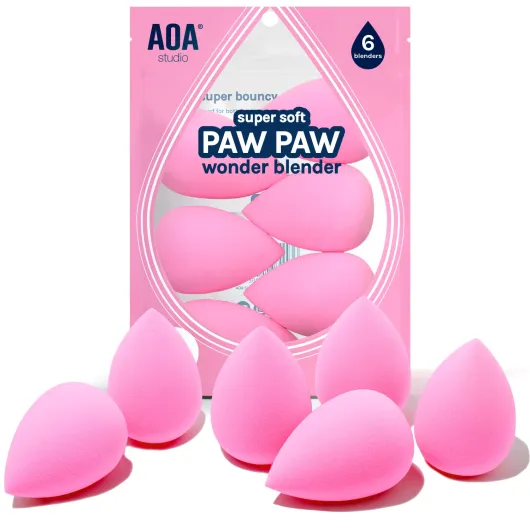
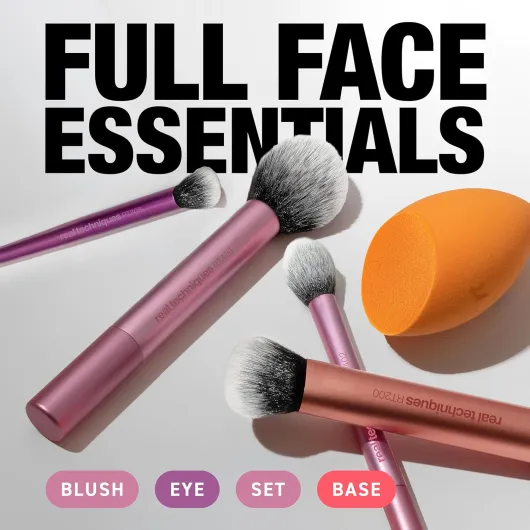
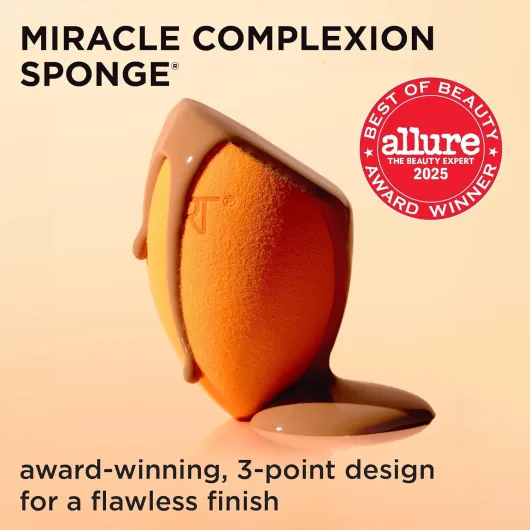
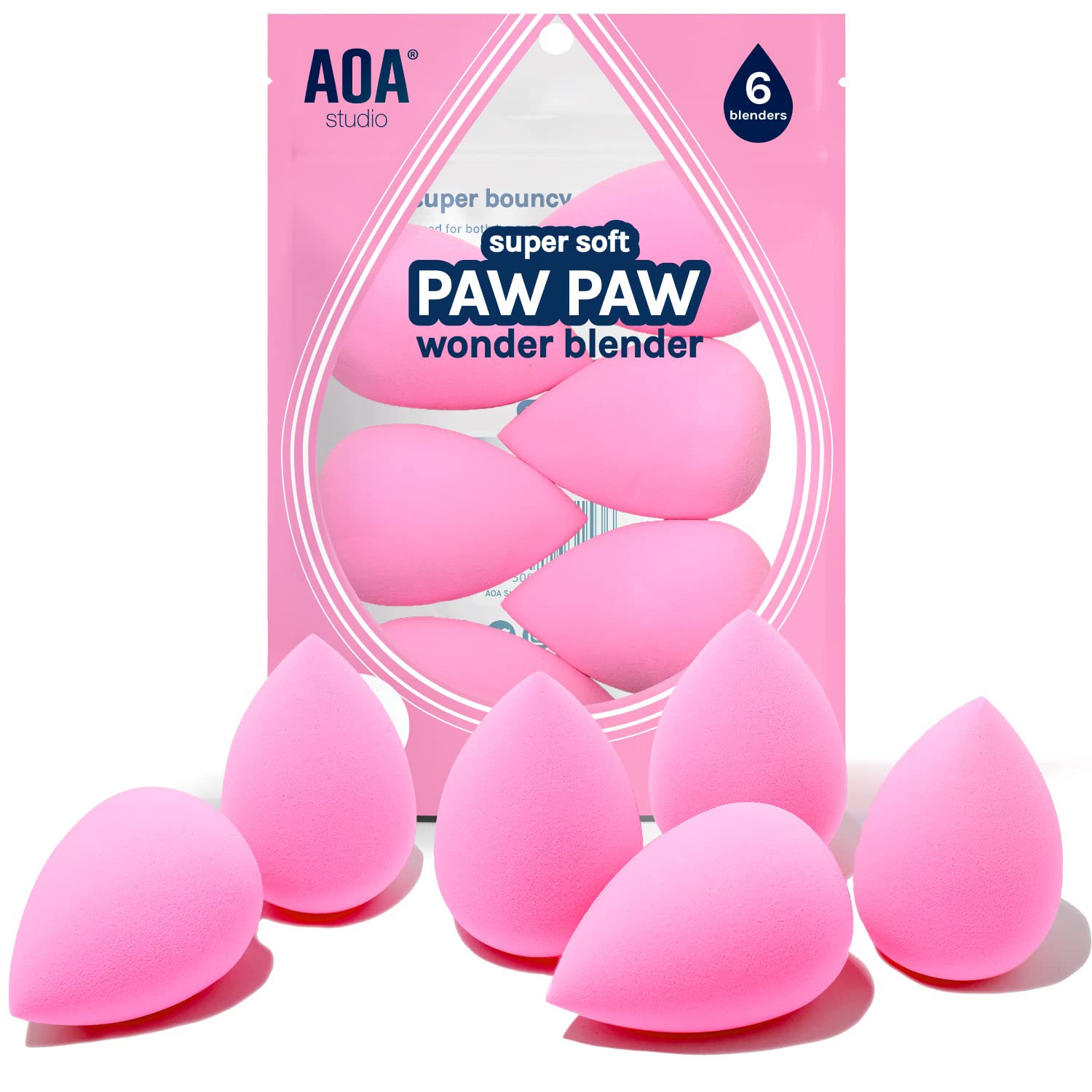
In luxury makeup, the best sponges behave like tailoring tools for the face. A high density makeup sponge presses pigment into the skin so that foundation appears fused rather than floating, which is crucial when you invest in luminous formulas that promise second skin radiance. The right sponge can make a prestige foundation look as seamless as a custom fitted gown.
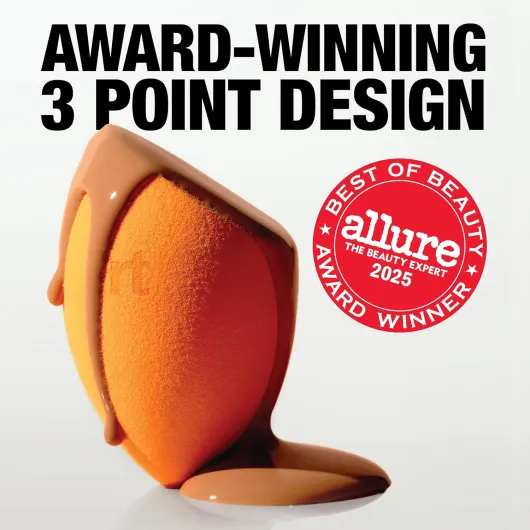
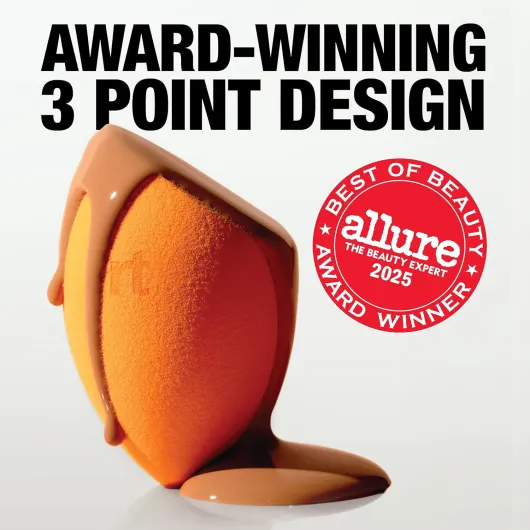
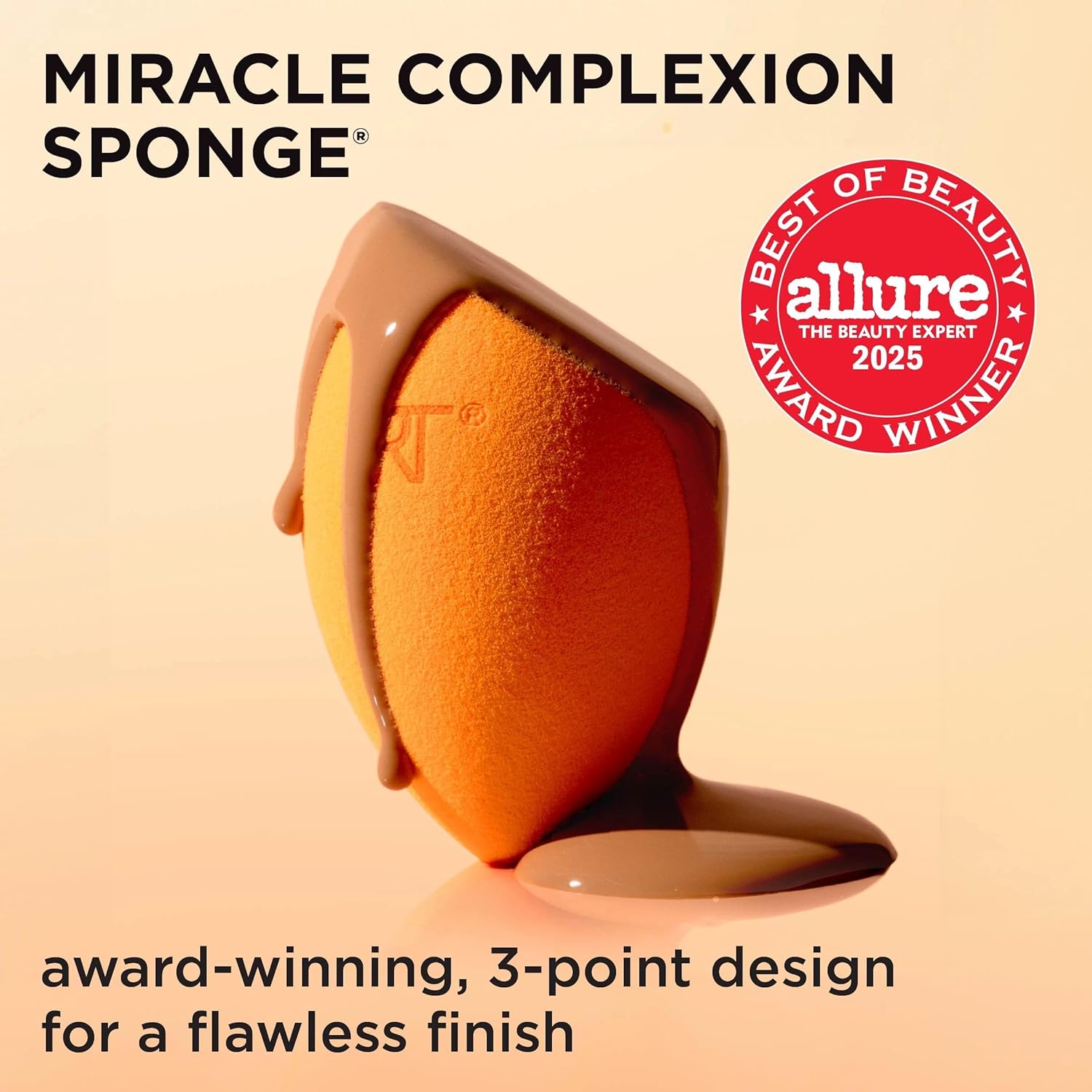
Choose a dual sided sponge for complexion work, with one rounded side for buffing and one flat side for sculpting. This structure mimics the dual sided design of a kitchen sponge yet replaces heavy duty scrub textures with velvety pores that never scratch the skin. When damp, a quality sponge rinses clean of foundation in seconds and maintains its blending power only for diffusion, not for any harsh cleaning action.
As skin matures, the margin for error narrows and the best sponges become essential. A thoughtfully shaped sponge supports techniques described in guides about foundation finishes that flatter after forty, because it presses product into lines rather than dragging across them. Keep one sponge exclusively for complexion and another for cream blush so that pigments never mingle like food on crowded dishes.
Luxury cleansing rituals: pairing sponges with high end skincare
When you cleanse with a balm or oil, the best sponges turn removal into a tactile pleasure. A soft cellulose sponge glides over the skin, lifting sunscreen and pigment while preserving the integrity of active ingredients you applied earlier. This gentle polishing keeps the complexion clean without the aggression of a heavy duty scrub pad designed for household surfaces.
For those who adore sensorial textures, a Skura Style patterned sponge can live beside your sink purely for rinsing masks. Treat it as you would a scrub sponge for delicate dishes, squeezing until it rinses clean and then letting it dry fully between uses for at least several weeks of safe performance. Avoid any sponge that feels as abrasive as a Scotch Brite or Scrub Daddy scrubber, because that level of scrubbing power belongs on kitchen sponges and not on cheeks.
Many luxury users keep a small bowl near the vanity, washed with a separate kitchen sponge that never touches skincare. Into this bowl goes warm water, a clean sponge, and sometimes a drop of gentle cleanser to refresh the skin after makeup removal. This ritual mirrors the care you take when washing dishes made of fine crystal, where you would never reach for a brite heavy duty scrubber sponge that could mar the surfaces forever.
Hygiene, durability, and how often to replace your beauty sponges
Hygiene is where the best sponges distinguish themselves from ordinary household tools. A quality beauty sponge is designed to rinse clean quickly so that pigment, oil, and skincare do not linger in its core. When a sponge stays damp for weeks, it becomes less a luxury accessory and more a breeding ground than even a neglected kitchen sponge under the sink.
In the kitchen, brands such as Scotch Brite and Scrub Daddy often recommend replacing scrub sponges every few weeks because food residue clings to the scrubber side. The same logic applies to beauty sponges, which collect foundation and skincare in ways that simple sponges cleaning under the tap cannot fully remove. If a sponge smells off, feels slimy, or no longer rinses clean, treat it as you would a stained dish scrubber and retire it without hesitation.
Luxury users sometimes rotate several sponges, just as they rotate fragrances and lipsticks. One sponge might be reserved for complexion, another for body shimmer, and a third for removing masks, each tested regularly for texture and cleanliness. Store them on breathable surfaces rather than in closed containers, because even the best scrubber sponge loses its elegance when trapped in moisture like a forgotten dish cloth.
Where luxury lovers actually buy the best sponges today
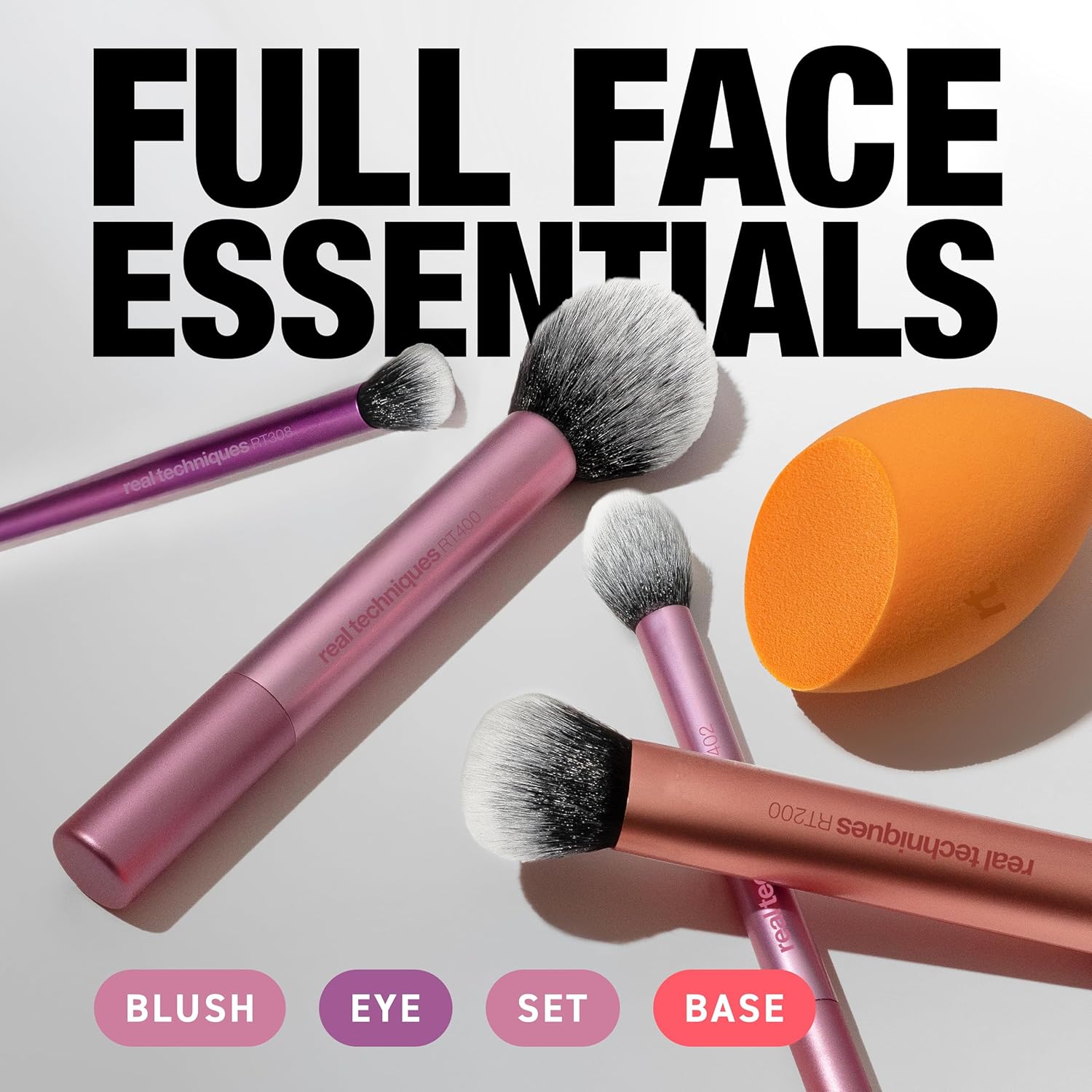
Beauty connoisseurs now source the best sponges from both niche boutiques and large online platforms. On Amazon, for example, you can find professional grade makeup sponges alongside classic kitchen sponges such as Scotch Brite and playful options like Scrub Daddy for the sink. The key is to separate your basket mentally into beauty tools and household cleaning tools so that no scrub sponge crosses categories.
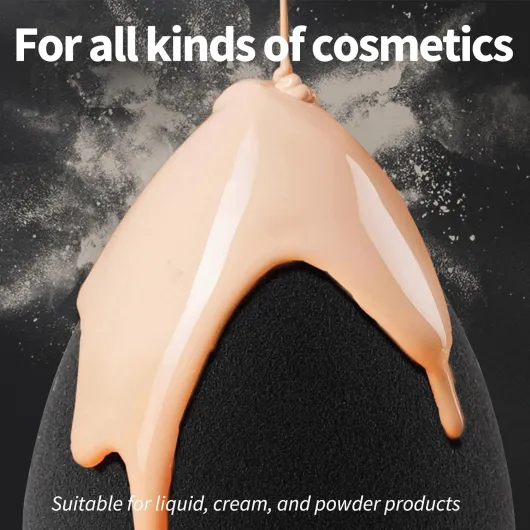
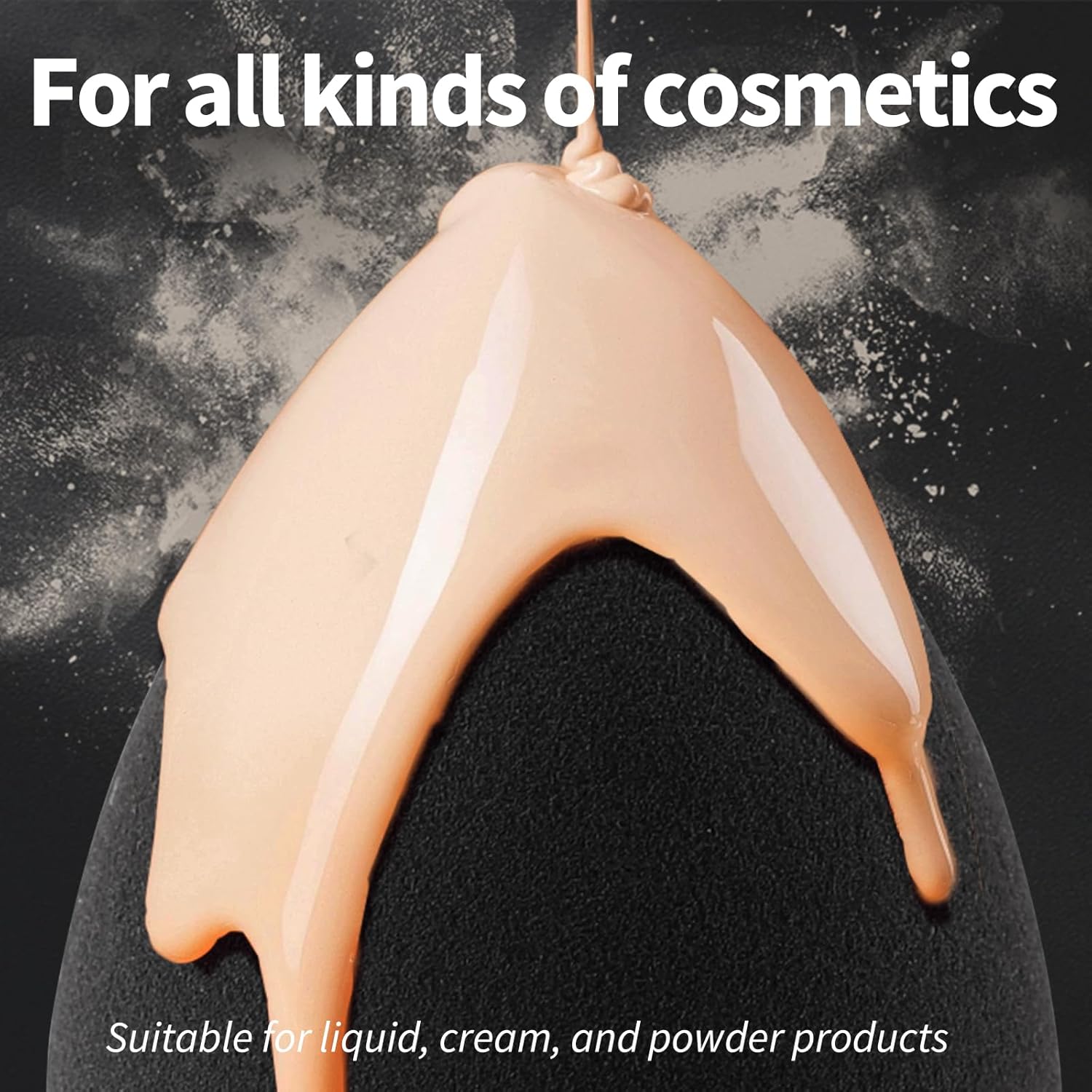
When browsing online, look for clear descriptions that distinguish a scrubber sponge for dishes from a sponge intended for facial cleansing. Terms such as heavy duty, brite heavy, or duty scrub usually signal a product meant for pots and pans and other tough surfaces rather than for cheeks. A beauty sponge listing should emphasise softness, rinses clean performance, and compatibility with liquid or cream products instead of scrubbing power for baked on food.
In luxury department stores, makeup artists often keep a hidden stash of their tested favourites. Ask which sponge they personally use at home, not just which one appears beside the register, and pay attention when they compare textures to familiar household items like a kitchen sponge or a dish scrubber. While you explore prestige lipsticks and serums, you might also appreciate this analysis of a Dior glass lipstick formula, which shows how texture and long wear claims mirror the durability we expect from our most trusted sponges.
How household sponge technology inspires next generation beauty tools
Innovation in household sponges quietly shapes the design of the best sponges for beauty. Engineers who once focused on scrubbing power for dishes and food residue now collaborate with cosmetic brands to refine pore size and density for makeup application. The result is a new generation of sponges that feel as intuitive in the hand as a favourite kitchen sponge yet behave with the delicacy of a silk puff.
Dual sided structures, originally perfected in kitchen sponges with one scrubber side and one soft side, now appear in complexion tools that offer both blending and subtle exfoliation. While a brite heavy duty scrub pad remains reserved for metal surfaces, its layered construction inspires beauty sponges that maintain shape after weeks of daily use and still rinse clean. Even the cheerful ergonomics of a Scrub Daddy sponge have influenced rounded beauty sponge silhouettes that sit comfortably between the fingers during washing dishes or during a precise contour session.
As sustainability becomes central to luxury, cellulose sponges gain prominence because they biodegrade more gracefully than many synthetic scrub sponges. Brands experiment with plant based fibres that mimic the resilience of a Scotch Brite scrubber sponge without the harshness of a scratch scrub texture on skin. In this quiet cross pollination between household cleaning and haute cosmetics, the humble sponge emerges as a surprisingly sophisticated object of design for both your kitchen and your vanity.
Key figures about luxury and everyday sponges
- Market research from Grand View Research reports that the global household cleaning sponge and scouring pad market reached approximately USD 5.1 billion in 2022, reflecting how everyday tools such as kitchen sponges and scrub sponges remain essential in most households worldwide.
- Consumer testing by beauty retailers such as Sephora and Ulta shows that many makeup users replace their primary beauty sponge every one to three months, a shorter duration than the replacement cycle for a typical dish scrubber sponge, which often stays near the sink for several weeks.
- Dermatology associations frequently note that tools which do not rinse clean easily, including some heavy duty scrub pads, can harbour higher bacterial loads than smoother cellulose sponges, underscoring why the best sponges for facial use prioritise quick drying and easy cleaning.
- Surveys of online shoppers indicate that Amazon and other large platforms account for a significant share of sponge purchases, with customers often adding both kitchen sponge multipacks and beauty sponges to the same basket, even though their intended surfaces and scrubbing power differ dramatically.