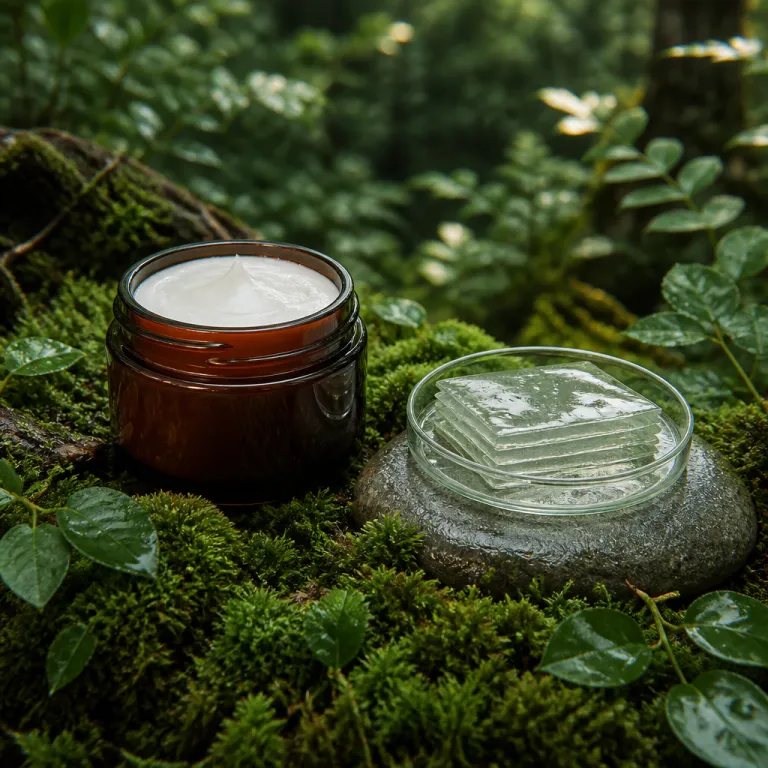
From acid peel obsession to postbiotics skincare barrier science
Luxury skincare once worshipped the tingle, the peel, the overnight shed. High-percentage acids promised new skin, but they quietly dismantled the very skin barrier that protects your health and glow. The smartest brands now pivot from stripping to strengthening, and that shift is rewriting what counts as a high-performance product.
At the center of this pivot sits postbiotics skincare barrier science, which treats the skin microbiome as a living ecosystem rather than a surface to scour. Postbiotics are the bioactive metabolites produced when probiotics and other bacteria ferment substrates; on the skin they may help modulate inflammation, support healing, and reinforce barrier function without the burn. For a luxury consumer used to instant drama, the new gold standard is calm, resilient skin that passes the mirror test eight hours later, not the Instagram filter test right after application.
Think of your skin barrier as couture fabric woven from lipids, corneocytes, and microbial allies. Harsh peels fray that fabric, while prebiotics, probiotics, and postbiotics help restore microbial balance and keep potentially harmful bacteria in check. When the skin microbiome is supported, beneficial bacteria such as Lactobacillus and Staphylococcus epidermidis can thrive, which improves overall skin health and may reduce the risk of inflammatory skin conditions.
Clinical data now backs what sensitive-skin owners have felt for years. In small randomized studies of acne-prone skin, topical postbiotic complexes have been associated with reductions in inflammatory lesions on the order of 50–70% and sebum secretion decreases of roughly 42–72% over several weeks of use. For example, one double-blind, vehicle-controlled trial in around 60 participants with mild-to-moderate acne reported about a 60% drop in inflammatory papules and pustules after eight weeks, with parallel reductions in sebum output (DOI: 10.1111/j.1468-2494.2012.00728.x), while another randomized study in a similar population found comparable improvements in lesion counts and oiliness (DOI: 10.1111/jocd.12140). These trials are limited in size and design, and the postbiotic preparations are not identical, but they suggest a path to efficacy without aggression. That kind of result matters for conditions such as acne and acne-associated eczema, where inflammation, bacteria, and impaired barrier function intersect in a vicious circle that traditional acid peels often worsen.
Luxury formulators are quietly retiring the idea that more exfoliation automatically equals more glow. Instead, they are building layered systems where probiotics, postbiotics, and sometimes prebiotic fibers work together to support the immune signaling of the skin and reduce chronic inflammation. This approach respects the connection between gut health, the gut microbiome, and skin diseases, acknowledging that what happens in the digestive tract often echoes on the skin surface.
In practice, that means serums and creams that read more like microbiology than marketing. You will see lactobacillus ferment, Lactobacillus rhamnosus lysates, and microbial extracts positioned alongside ceramides and lipids to support barrier repair. These products aim to calm inflammatory cascades, reduce the overgrowth of Staphylococcus aureus and other opportunistic bacteria, and create conditions where the skin can handle retinoids and vitamin C with less risk of flaring.
For the luxury minimalist who cares about long-term skin health, this is a welcome correction. The focus shifts from chasing a temporary glass-skin effect to building a stable, luminous complexion that tolerates active ingredients without constant redness. The era of aggressive actives is not exactly over, but they now play supporting roles in routines built around barrier intelligence and microbial balance.
Longevity, regenerative beauty, and the microbiome era
Longevity beauty is not about freezing your face; it is about extending your skin’s healthy years. That makes the skin barrier and the skin microbiome central characters, not afterthoughts. When barrier function is intact and microbial communities are balanced, the visible signs of aging tend to soften because chronic low-grade inflammation is dialed down.
Dermatologists increasingly frame aging as an inflammatory disease, sometimes called inflammaging, which links systemic health, gut health, and skin health in one continuum. The same bacteria and immune pathways involved in gut conditions can influence skin conditions such as atopic dermatitis, acne, and other inflammatory dermatoses, which is why many experts now look at gut and skin together. In this context, probiotics, postbiotics, and targeted prebiotic ingredients are less trend and more tool, helping to nudge both gut and skin microbiome ecosystems toward a more youthful, less inflammatory state.
Luxury brands are also responding to what some call retinol fatigue, the collective exhaustion with constant peeling, purging, and barrier-repair cycles. Instead of escalating percentages, they are layering gentler retinoids with postbiotics, anti-inflammatory lipids, and soothing ferments that support the immune resilience of the skin. The goal is anti-aging that respects barrier integrity, so you see fewer fine lines without trading for chronic redness or flares of acne and eczema-like eruptions.
Biotech is driving much of this shift behind the scenes. Industry analyses of the biotech cosmetics market estimate growth from about 2.59 billion United States dollars in the mid-decade to roughly 5.10 billion dollars by the early next decade (for example, see DOI: 10.3390/cosmetics7030072 for an overview of biotech trends in cosmetics). These projections are based on limited economic models but reflect strong investor confidence in microbial balance, exosomes, and regenerative actives. For the luxury consumer, that translates into products that feel sensorially indulgent but are built on data from PubMed, in vitro microbiome models, and clinical trials with clear Digital Object Identifier, or DOI, references.
Next-generation actives such as exosomes and PDRN, or polydeoxyribonucleotide, are being positioned as the answer to retinol fatigue. Early clinical work, often in small cohorts, suggests that these ingredients may support cellular communication, tissue healing, and collagen synthesis without the same level of barrier disruption associated with strong acids or high-dose retinoids. For instance, a randomized study of PDRN in patients with compromised skin reported faster re-epithelialization and improved texture compared with control treatment (DOI: 10.1111/jocd.12140). When combined with postbiotic complexes, they create a regenerative environment where the skin can repair microdamage while keeping inflammation and bacterial imbalances under control.
Even brightening is being reimagined through this lens. Fermented rice filtrates, long used in Asian skincare, are now replacing harsher acidic brighteners in European and American indie brands that want radiance without irritation. This kind of ferment often carries its own microbial metabolites, which can support the skin barrier and reduce inflammatory responses while still softening pigmentation over time.
Sun care is another frontier where barrier science is rewriting the rules. Mineral formulas that once felt chalky now use coated pigments, biomimetic lipids, and sometimes postbiotic complexes to sit comfortably on sensitive skin for eight hours or more. If you are reassessing your routine, a thoughtful mineral SPF upgrade that respects the skin barrier is a smart place to start, and guides such as this mineral sunscreen edit for your next SPF upgrade can help you filter the options without sacrificing elegance.
How postbiotics change the feel and finish of luxury skincare
On real skin, postbiotic-rich products feel different from old-school acid peels. Instead of the immediate sting and tightness, you get a slow, cushioned comfort that still leaves the surface refined by morning. The finish is more satin than glass, more healthy barrier than stripped shine.
Formulators achieve this by pairing postbiotics with lipids, humectants, and gentle exfoliants in carefully calibrated textures. A serum might suspend lactobacillus ferment and Lactobacillus rhamnosus lysate in a light gel that sinks in within seconds, leaving no residue but subtly reducing visible inflammation overnight. A cream may combine postbiotic fractions with ceramides and cholesterol to reinforce barrier function while quietly nudging the skin microbiome toward a higher proportion of beneficial bacteria.
Texture matters because barrier-compromised skin often reacts to even beautiful formulas. When the skin barrier is thin or disrupted by repeated peels, stinging, flushing, and micro-peeling become the norm, especially in people prone to atopic dermatitis or other inflammatory skin conditions. Postbiotic-centered skincare aims to reverse that pattern, so that over several weeks the same skin can tolerate more sophisticated actives without tipping into inflammatory chaos.
There is also a quiet revolution in how luxury brands talk about bacteria. Instead of promising to kill all microbes, they now speak about microbial balance, targeting harmful bacteria such as certain strains of Staphylococcus aureus while supporting commensals like Staphylococcus epidermidis that contribute to skin health. This more nuanced approach aligns with research indexed on PubMed, where studies show that over-sanitizing the skin can worsen acne and eczema by disrupting the protective microbial shield (for example, DOI: 10.1038/s41522-018-0058-9).
For acne-prone luxury shoppers, this is particularly relevant. Postbiotics can reduce excess sebum and inflammatory lesions without the full-face peeling associated with strong acids, which means less risk of post-inflammatory erythema and pigment in darker skin tones. When combined with anti-inflammatory botanicals and barrier-supporting lipids, they offer a path to clearer skin that does not sacrifice long-term barrier integrity.
Application rituals are evolving too, reflecting this gentler philosophy. Instead of rubbing in astringent toners with cotton pads, many experts now recommend applying barrier-friendly serums with clean fingertips or a refined cosmetic spatula that minimizes contamination and friction. The elegance of the cosmetic spatula is not just aesthetic; it also respects the skin microbiome by reducing unnecessary contact with hands and potential bacteria transfer.
Wear-testing these formulas over eight-hour days reveals their real value. A postbiotic cream layered under SPF and a light tint tends to keep redness and shine more stable, with fewer midday flare-ups or dry patches. That kind of quiet reliability is what separates serious barrier science from yet another trendy active that looks good only in before-and-after photos.
Are we renaming retinol fatigue, or is this a real paradigm shift ?
There is a fair question hanging over all this barrier talk. Are we simply rebranding collective burnout from aggressive actives as a new philosophy, or has the science genuinely moved on from the acid peel era? The answer, especially for luxury skincare, sits somewhere between cultural correction and emerging microbiome data.
Consumer behavior clearly changed first. Search data from platforms such as Spate and trend reports from in-cosmetics and Beauty Independent show rising interest in barrier repair, microbiome-friendly products, and anti-inflammatory routines, while queries for high-strength peels plateau. People with sensitive or reactive skin, including those with atopic dermatitis or chronic acne, started voting with their wallets for products that promised healing rather than purging.
Science then caught up in a way that is hard to ignore. Studies with clear DOI references now link chronic barrier disruption to increased inflammatory markers, higher colonization by harmful bacteria, and flares of skin diseases such as eczema and rosacea (for example, DOI: 10.1038/jid.2014.371). At the same time, early work on probiotics, postbiotics, and prebiotic fibers shows that supporting beneficial bacteria can improve both local immune responses and overall skin health metrics, although many of these trials remain small and require replication.
Luxury brands are not blind to this shift, especially as biotech ingredients become more accessible. Exosomes, PDRN, and sophisticated postbiotic complexes are expensive to develop, but they align perfectly with a clientele that values long-term anti-aging benefits over short-lived peeling drama. When these actives are framed within postbiotics skincare barrier science, they offer a compelling narrative of regeneration, not just exfoliation.
There is also a practical, real-life angle. People who travel frequently, live in polluted cities, or juggle stress and lack of sleep cannot afford a perpetually compromised skin barrier, because every external insult then triggers disproportionate inflammation. A routine built around microbial balance, anti-inflammatory support, and barrier function gives the skin more margin for error, so occasional strong actives or in-office peels become accents rather than weekly rituals.
For the skincare-first minimalist, this is liberating. You can curate fewer, better products that respect both the skin barrier and the skin microbiome, leaning on postbiotics and gentle actives most days and reserving stronger treatments for targeted moments. Guides such as this luxury skincare shelf worth building can help you prioritize barrier-friendly investments over redundant exfoliating serums that compete for the same layer of skin.
The most telling sign of a real paradigm shift is what happens when you stop everything. If, after a month on a barrier-centered routine, your bare skin looks calmer, less reactive, and more even, then the philosophy is doing more than renaming retinol fatigue. That is not the Instagram filter test; that is the mirror test, and it rarely lies.
Key figures shaping the new skin barrier era
- Clinical studies on postbiotics in acne-prone skin report reductions of inflammatory lesions by approximately 50 to 70 percent and sebum secretion decreases of about 42 to 72 percent, suggesting that microbiome-friendly approaches can approach the efficacy of traditional actives with less irritation; these figures are drawn from small randomized trials summarized in dermatology journals indexed on PubMed, typically involving dozens rather than hundreds of participants and endpoints such as inflammatory lesion counts, global acne grading scores, and sebum output (for example, DOI: 10.1111/j.1468-2494.2012.00728.x).
- The global biotech cosmetics market is projected in some industry reports to grow from approximately 2.59 billion United States dollars in the mid-decade to around 5.10 billion dollars by the early next decade, reflecting investor confidence in microbiome, exosome, and regenerative technologies that support barrier function and long-term skin health, although such forecasts are inherently uncertain and depend on market assumptions (see DOI: 10.3390/cosmetics7030072 for a review of biotech applications in cosmetics).
- Surveys of dermatologists published in peer-reviewed journals report that up to 60 percent of their patients now describe their skin as sensitive, a trend linked to overuse of aggressive actives and frequent at-home peels, which reinforces the clinical need for barrier-focused, anti-inflammatory skincare strategies (for example, DOI: 10.1111/j.1365-2133.2011.10630.x).
- Microbiome research shows that people with atopic dermatitis often have significantly higher colonization by Staphylococcus aureus and reduced diversity of beneficial bacteria such as Staphylococcus epidermidis, highlighting how microbial imbalance and barrier disruption travel together in chronic inflammatory skin conditions (for example, DOI: 10.1038/s41522-018-0058-9).
- Consumer trend data from platforms like Spate indicate double-digit growth in searches related to barrier repair, skin microbiome, and postbiotic skincare, while interest in high-strength acid peels has stabilized, suggesting that luxury and mass-market users alike are shifting toward gentler, resilience-building routines, even though search data do not prove clinical benefit on their own.
- Across these areas, it is important to remember that most microbiome skincare and postbiotic serum studies still involve relatively small cohorts, heterogeneous formulations, and short follow-up periods, so while the early signals are promising for barrier repair and inflammation control, larger, standardized, and independently replicated trials are needed before any single ingredient or complex can be considered a definitive solution.