Why upcycled beauty ingredients are redefining luxury skincare
Upcycled beauty ingredients skincare is no longer a niche experiment for eco enthusiasts. It is quietly reshaping how the beauty industry thinks about ingredients, products, and what true luxury on the skin should feel like. The most interesting cosmetic shift now happens where science meets waste from food and agriculture.
When we talk about upcycled ingredients in luxury cosmetics, we mean high grade cosmetic ingredients created from byproducts such as fruit seeds, peels, and coffee grounds that would otherwise be treated as waste. These are not random scraps thrown into a product ; they are refined actives designed to perform on the face and body with the same precision as traditional lab made molecules. In the best beauty products, upcycled cosmetic ingredients are purified, standardized, and tested so the skin receives consistent results every time.
For eco conscious beauty personal care lovers, the appeal is double ; you save resources while gaining potent skincare. Upcycled beauty turns food waste from the juice, wine, and coffee industries into antioxidant rich oils, exfoliating acids, and barrier strengthening extracts that rival conventional cosmetics. Luxury beauty brands now use upcycling waste as a design principle, not a marketing afterthought, which signals a deeper shift in how the industry values every gram of an ingredient.
Think of upcycled beauty ingredients skincare as eco effective rather than just sustainable. Eco effective products do not only reduce environmental impact ; they add measurable benefits for the skin, from smoother texture to calmer redness. When you read a label that highlights upcycled beauty or upcycled ingredients, you are often looking at a product that has been engineered to perform as well as, or better than, its non upcycled counterpart.
For the luxury consumer used to five star textures and elegant packaging, the question is simple. Can upcycled cosmetic formulas feel as indulgent as classic prestige skincare haircare icons. The short answer is yes, when the brand treats upcycled cosmetic ingredients with the same respect as any other high performance active.
From food waste to face serum: how biotechnology upgrades leftovers
The most sophisticated upcycled beauty ingredients skincare does not just grind fruit peels into a scrub. Instead, biotechnology isolates specific molecules from food waste, transforming them into targeted cosmetic ingredients for the face and body. This is where luxury beauty and modern lab science finally speak the same language.
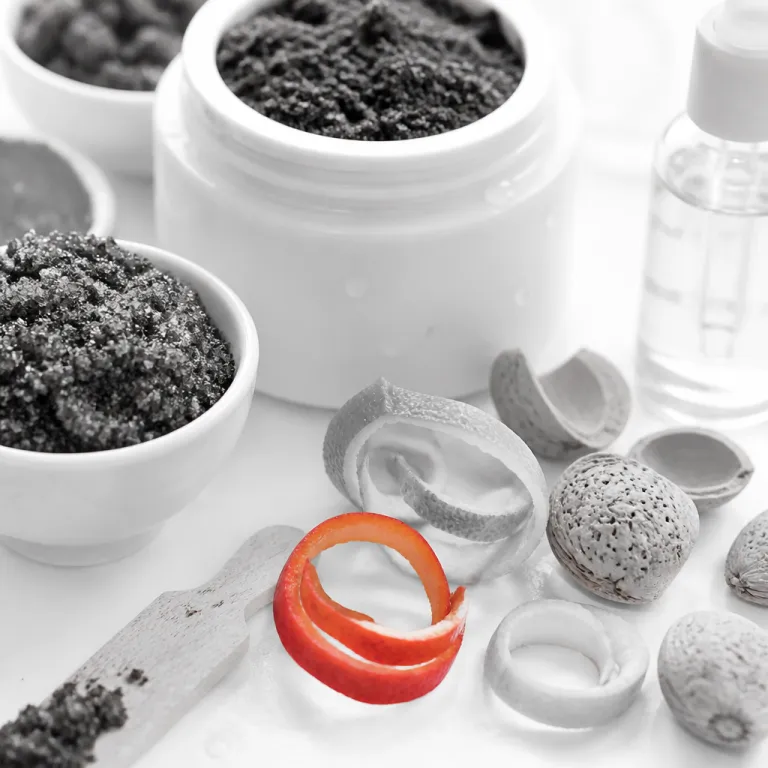
Take coffee grounds from high end cafés, for example. Once considered pure waste, they now feed extraction processes that pull out polyphenols and lipids, which can be added to serums and creams to help protect the skin from oxidative stress. The result is a cosmetic product that feels refined on application yet carries a traceable story back to the coffee industry and its environmental impact.
Fruit seeds and peels from juice and jam production are another goldmine for upcycled ingredients. Grape seeds yield lightweight oils rich in linoleic acid that support the skin barrier, while citrus peels can provide brightening extracts and gentle exfoliating acids for radiance focused skincare. When these upcycled cosmetic ingredients are standardized, they behave like any other luxury active, only with a more sustainable origin.
Biotechnology also allows formulators to tune ingredients skin affinity. Enzymatic processes can soften harsh edges, making exfoliating acids from food byproducts more suitable for sensitive skin, which matters when you are applying them daily on the face. This is where eco effective design shows its strength, because the product respects both the planet and the skin.
Eco conscious readers who already care about sustainable personal care often extend that mindset beyond skincare to oral care and haircare. If you are rethinking your bathroom shelf, it makes sense to look at sustainable toothpaste solutions alongside your new upcycled beauty products. The same logic applies across categories ; the more we use food waste intelligently, the more the beauty industry can save resources without compromising performance.
Eco effective luxury: textures, finishes, and real skin performance
Luxury buyers will always judge upcycled beauty ingredients skincare by how it feels at 22 00, not just how it sounds at launch. Texture, finish, and wear after eight hours decide whether a product earns a permanent place among your personal care best sellers. Sustainability may open the door, but sensorial pleasure keeps the product on your face and in your routine.
Consider a face oil built around upcycled ingredients from raspberry seeds or olive pits. The best versions feel featherlight, sink into the skin within seconds, and leave a satin rather than greasy finish that layers cleanly under sunscreen or makeup. When brands balance these upcycled cosmetic ingredients with classic emollients, the result can rival any five star facial oil in the luxury aisle.
In creams and serums, upcycled beauty often shows up as antioxidant rich oils, brightening extracts, or microbiome friendly ferments. These cosmetic ingredients can help reduce dullness, support barrier function, and soften fine lines, especially when combined with established actives like niacinamide or peptides. The key is that the product must perform on real skin, not just on a sustainability report.
Packaging and tools matter too, especially for eco luxe shoppers. Some luxury brands now pair upcycled beauty products with compostable accessories, such as plant based applicators or sponges that align with an eco friendly beauty ritual. When the entire experience, from jar to sponge, respects the planet, the environmental impact of your routine shrinks without sacrificing pleasure.
As you read labels, you will notice more beauty brands highlighting upcycled ingredients and upcycled cosmetic claims on their packaging. Look for clear explanations of which food waste streams were used, such as coffee grounds or fruit peels, and how those ingredients benefit the skin. Luxury today is not just about a heavy glass jar ; it is about transparency, traceability, and a formula that feels as good as its story sounds.
How to read the label: spotting real upcycling versus greenwashing
Shopping for upcycled beauty ingredients skincare can feel confusing when every product claims to be sustainable. The most reliable way to cut through the noise is to read the label with the same attention you give to a wine list or a fine fragrance pyramid. A few details separate genuinely upcycled beauty products from clever marketing.
First, look for specificity about the upcycled ingredients used. A trustworthy brand will name the source, such as upcycled coffee grounds from local cafés, or fruit seeds from juice production, and explain how these cosmetic ingredients support the skin. Vague phrases like “eco friendly blend” without clear details often signal more storytelling than substance.
Certifications can help, although standards for upcycled cosmetic ingredients are still emerging. European organizations are currently ahead in defining what counts as an upcycled cosmetic ingredient, while United States regulations are catching up, so you may see different seals depending on where the product is made. When in doubt, check whether the brand shares data about how much waste or food waste it diverts from landfill through upcycling waste initiatives.
Online retail adds another layer of complexity. On large platforms such as Amazon, where beauty products and cosmetics best sellers change quickly, verified purchase reviews can highlight how a formula behaves on real skin over time. Read those reviews carefully, paying attention to comments about texture, scent, and whether the product caused irritation or genuinely improved the face and body.
Finally, treat the brand’s privacy policy and sustainability page as part of your research. A serious luxury house will explain how it sources cosmetic ingredients, manages environmental impact, and handles data from beauty personal care shoppers. When a company is transparent about both its ingredients and its ethics, its upcycled beauty claims tend to be more trustworthy.
Price, value, and where the savings really go
One of the most common questions about upcycled beauty ingredients skincare is whether it should cost less. After all, if the raw material starts as waste from food or agriculture, it seems logical that the final product would be cheaper. The reality is more nuanced, especially in the luxury cosmetics space.
Transforming food waste into high purity cosmetic ingredients requires investment in biotechnology, extraction equipment, and quality control. Those processes can be as expensive as sourcing conventional plant oils, particularly when brands work with small local suppliers rather than mass commodity markets. In many cases, the cost of upcycled ingredients is similar to, or slightly higher than, traditional options, especially when the brand prioritizes traceability and fair pay.
Where you might save is in long term environmental impact and resource use. When the beauty industry uses food waste streams such as coffee grounds, fruit peels, or nut shells, it reduces pressure on land and water that would otherwise grow crops solely for cosmetic use. That systemic saving does not always show up as a lower price on a single product, but it contributes to a more sustainable industry overall.
Luxury brands sometimes add value through services rather than discounts. Think refillable packaging, loyalty programs, or curated gift cards that encourage you to build a thoughtful personal care wardrobe instead of impulse buying every new launch. Free delivery thresholds on brand sites or selected retailers can also make it easier to test one upcycled beauty product before committing to a full routine.
When you evaluate price, compare not just the cost per millilitre but the formula’s concentration of active upcycled ingredients and how it performs on your skin. A slightly more expensive serum that genuinely improves texture and radiance may replace several mediocre products, which can save both money and space. Luxury, in this context, is about intelligent investment rather than constant accumulation.
Where upcycled beauty goes next: regulation, biotech, and beyond skincare
Upcycled beauty ingredients skincare is still in its early chapters, but the direction is clear. Europe is moving toward stricter definitions and standards for upcycled cosmetic ingredients, which will likely influence how global beauty brands formulate and label their products. United States companies are already watching these shifts closely, especially those that sell across multiple regions.
As regulation matures, expect more precise language around upcycled ingredients, including how much of a formula must come from upcycling waste to justify the claim. This will help serious players stand apart from brands that add a token upcycled ingredient to an otherwise conventional product. For consumers, that clarity means you can read a label and understand exactly how your skincare or haircare contributes to reducing food waste and environmental impact.
The next wave of innovation will likely blur the lines between skincare, haircare, and other personal care categories. We are already seeing upcycled beauty concepts in body care, scalp treatments, and even adjacent spaces like sustainable oral care, which share the same ethos of turning waste into value. Advanced biotech, including work on exosomes and other cellular messengers, is also entering the conversation ; if you are curious about how far that frontier goes, this deep dive on exosomes in your serum is a useful reality check.
Brands such as UpCircle have built their entire identity around upcycled ingredients, using coffee grounds and other food waste streams to create face and body products that feel surprisingly luxurious. Their success signals that eco effective design can resonate with mainstream beauty personal care shoppers, not just niche enthusiasts. As more beauty brands adopt similar models, upcycled beauty will shift from novelty to norm.
For you, the luxury consumer, the future looks refreshingly practical. You will be able to choose star products that align with your values, from upcycled cosmetic serums to sustainable tools, without sacrificing the textures and finishes you love. The real test will remain the same as always ; not the Instagram filter, but the mirror test after a long day.
Key figures shaping the rise of upcycled beauty
- According to the Food and Agriculture Organization, roughly one third of all food produced globally is lost or wasted each year, which represents a major opportunity for the beauty industry to repurpose food waste into high value cosmetic ingredients.
- Data from the Ellen MacArthur Foundation indicate that adopting circular economy practices, including upcycling waste streams, could reduce global greenhouse gas emissions by up to 20 percent in key sectors, underscoring the environmental impact potential of upcycled beauty.
- Market research from Grand View Research reports that the global natural and organic personal care market has grown steadily, with consumer surveys showing that sustainability claims, including the use of upcycled ingredients, are now a top three purchase driver for many beauty products.
- Studies published by the European Commission on bio based industries highlight that using agricultural byproducts for cosmetic ingredients can increase the value of those waste streams by several times compared with their use as low grade animal feed or compost.
- Retail analytics from major e commerce platforms show that sustainable beauty and personal care items, including those featuring upcycled cosmetic ingredients, are increasingly represented among category best sellers, reflecting strong consumer interest in eco effective products.
FAQ about upcycled beauty ingredients in luxury skincare
Are upcycled beauty ingredients as safe as traditional cosmetic ingredients
Upcycled beauty ingredients used in reputable luxury cosmetics are subject to the same safety assessments as traditional cosmetic ingredients. Brands must ensure that any material derived from food waste, such as fruit peels or coffee grounds, is purified, standardized, and tested for contaminants before it reaches your skin. When you choose products from established beauty brands that share their testing protocols, you can expect safety standards comparable to conventional skincare.
Will upcycled skincare feel as luxurious on the face as classic formulas
Modern formulations can make upcycled beauty products feel just as refined as traditional luxury skincare. By combining upcycled ingredients with silky emollients, advanced textures, and elegant fragrances, brands can deliver creams, serums, and oils that glide onto the face and absorb quickly without residue. The sensorial experience now depends more on formulation skill than on whether the ingredient started as food waste or a freshly harvested plant.
How can I tell if a product genuinely uses upcycled ingredients
Authentic upcycled beauty products usually specify which waste stream they use, such as grape seeds from wine production or coffee grounds from cafés, and explain how those ingredients benefit the skin. Look for clear details on the packaging or website, including percentages where possible, rather than vague claims about being eco friendly. Certifications and third party verifications, especially from European or international organizations focused on circular economy standards, can provide additional reassurance.
Do upcycled cosmetic products cost more or less than regular luxury skincare
The price of upcycled cosmetic products varies, because transforming waste into high purity cosmetic ingredients requires investment in biotechnology and quality control. In many cases, the cost is similar to conventional luxury skincare, particularly when brands prioritize traceability and fair sourcing. Over time, wider adoption of upcycling waste practices may improve efficiency and potentially make some eco effective formulas more accessible.
Can upcycled beauty extend beyond skincare to haircare and other personal care
Yes, the principles behind upcycled beauty ingredients skincare apply equally to haircare and other personal care categories. Brands are already using upcycled ingredients in scalp treatments, body care, and even adjacent areas like sustainable oral care, turning food waste into functional cosmetic ingredients across the routine. As biotechnology advances and regulations evolve, you can expect more upcycled options in every corner of the beauty aisle.