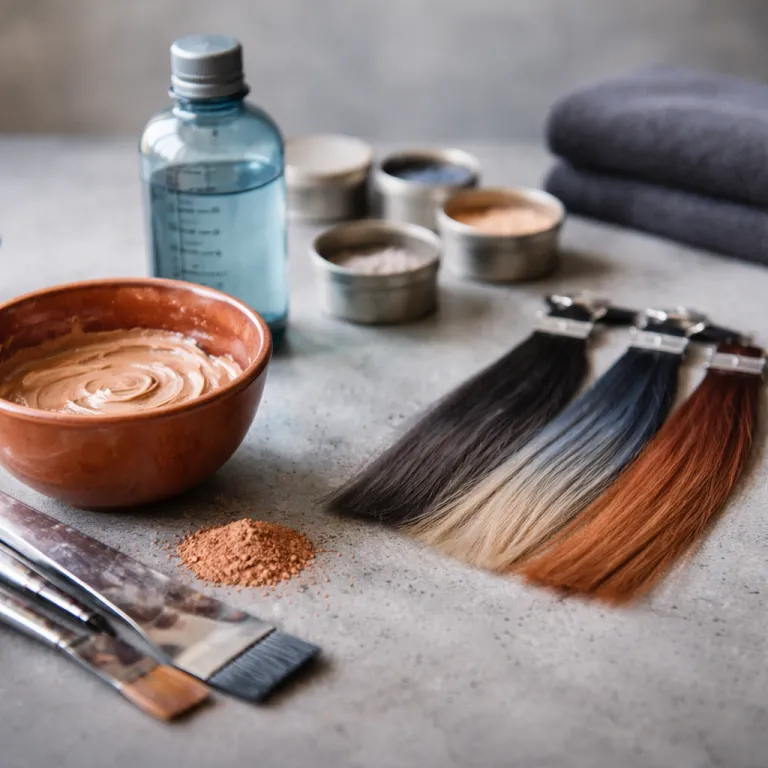
What the color melting hair technique really does for luxury hair
The color melting hair technique is about invisible boundaries between shades. Instead of obvious bands of hair color, your colorist uses a melting technique to create a seamless transition from root to mid lengths and ends. Think of it as couture hair coloring where every color and every melting color is blended until the eye cannot find a starting point.
Unlike traditional highlights or a classic balayage technique, color melting focuses less on placement and more on how colors interact and blend tones along the hair shaft. The color at the root, the tones through the mid lengths, and the lightest shades at the ends are chosen to sit within one tonal family, so the melting color effect feels natural even as it adds dimension. This creates soft movement hair and a luxurious sense of depth that reads as healthy beauty rather than obvious salon work.
Where balayage highlights paint light onto the surface, the color melting hair technique works through the entire hair texture to create dimension from every angle. Your colorist will apply several compatible shades, then use specific techniques to blur each transition so the result feels like your own natural hair color, only elevated. The effect is especially flattering on wavy curly hair types, where the curves help in creating seamless ribbons of light and shadow. Colorists at luxury salons such as Nine Zero One in Los Angeles often describe it as “watercolor for the hair,” because the pigments appear to flow into one another rather than sit in separate blocks.
How color melting differs from balayage, ombré, and traditional highlights
Balayage highlights rely on strategic placement on the outer surface of the hair to mimic sun light, while the color melting hair technique is about how each color melts into the next along the full length. Ombré creates a clear gradient line from dark root to light ends, but color melting erases that line and replaces it with a soft, almost undetectable transition. Traditional highlights, especially in foil form, often create contrast color stripes, whereas melting color aims for a more diffused, luxury finish.
In practice, a balayage technique might focus on the face framing area and the top layer, but a melting technique works through the interior to build dimension that moves as you move. The colorist will still apply lighter shades where the sun would naturally hit, yet they will also tone and blend tones between each section to avoid harsh jumps in hair color. This is why the result often feels like lived in color, similar to the refined looks explored in this guide to the quiet luxury of lived in hair color. Many salon educators now teach color melting as a way to “connect the dots” between existing balayage highlights and the natural base, so the overall effect feels more intentional.
For blonde hair, the difference is especially visible because traditional highlights can leave obvious lines as the root grows, while color melting creates a softer regrowth pattern. On darker hair types, the color melting hair technique allows subtle caramel or copper colors to appear only where the light hits, keeping the overall beauty wellness of the hair intact. The result is a more forgiving maintenance high schedule, because the seamless transition hides regrowth far better than rigid foil patterns. Colorists often note that clients who switch from classic foils to a melt can comfortably extend their appointments by several weeks without feeling overgrown.
The best base colors and shades for modern color melting
For luxury salons, the most flattering base hair color for the color melting hair technique often sits in the champagne brunette, warm honey, refined copper, or vanilla blonde families. These colors offer enough warmth to reflect light beautifully, which enhances the melting technique and keeps the hair looking expensive between appointments. Cooler tones can work, but they require more precise toning and more frequent maintenance to avoid flat or muddy content in the overall look.
On champagne brunette hair, colorists usually apply soft beige and light gold highlights through the mid lengths, then use toning to create a seamless transition into slightly brighter ends. Vanilla blonde hair benefits from a mix of neutral and warm shades, so the melting color effect feels creamy rather than icy or stark. If your natural root is darker, a color melting approach allows your colorist to keep that depth while still creating seamless ribbons of light that flatter your skin tone.
Refined copper shades are especially beautiful in this technique because the color melting hair technique can layer multiple copper and apricot colors for rich dimension. Warm honey bases pair well with balayage highlights in butterscotch and amber, which the colorist can then blend tones together for a soft, candle lit effect. If you are building a full beauty wellness routine, aligning your hair color palette with your makeup undertones and even your skincare routine, as in this simple guide to a skincare routine for beginners, keeps the overall result harmonious. Many editorial stylists also recommend matching jewelry tones to your melt—gold with warm honey or copper, and silver with cooler champagne brunette—to keep the color story cohesive.
Why color melting loves every hair texture, from straight to wavy curly
One reason the color melting hair technique has become a luxury staple is its versatility across hair types and hair texture. Straight hair shows every line, so creating seamless color is crucial to avoid banding, and melting technique excels here. On wavy curly hair, the natural bends help the colors and highlights wrap around each curl, amplifying movement hair and dimension.
Because the color melting approach works with several compatible shades, your colorist can tailor the technique to the density and porosity of your hair. Fine hair benefits from soft, diffused colors that add visual fullness without obvious streaks, while thicker hair types can handle bolder contrast color moments that still feel natural thanks to careful toning. Coily textures often look stunning when the brightest light is focused on the outer halo area, with deeper shades melting underneath to protect the integrity of the curl pattern.
Luxury colorists also appreciate that color melting allows them to apply pigment in a way that respects the health of the hair. Instead of repeatedly lifting the same sections as with traditional highlights, they can shift the placement of balayage highlights and melting color to new strands, reducing stress on fragile mid lengths and ends. This aligns with a broader beauty wellness mindset, where hair coloring is planned like a long term strategy rather than a quick fix, and where curated instagram topics around healthy shine and subtle dimension are valued over extreme transformations. Many salons now pair color melting with bond-building systems, such as Olaplex or K18 treatments, to maintain strength while still achieving luminous, multi-tonal results.
Maintenance, home care, and why one salon visit can really last
The color melting hair technique is often chosen by luxury clients who want impact without maintenance high demands. Because the root is usually kept closer to your natural color, regrowth is softer and the seamless transition means you can stretch appointments longer than with traditional highlights. Many clients find that a single salon visit can carry them comfortably for several months, with only glossing or toning needed in between to refresh the light and keep the melting color refined.
At home, the way you apply care products matters as much as the initial technique. Use sulfate free shampoos to protect the hair color, focus conditioner on the mid lengths and ends, and add a weekly mask to maintain softness and shine. Heat protection is non negotiable, especially on blonde hair or any area that has been lifted significantly, because preserving the cuticle keeps the blend tones and dimension looking luxurious rather than dull.
When planning your beauty routine, think of color melting as part of a broader beauty wellness strategy that includes scalp care, skincare, and even makeup harmony. A thoughtful approach, similar to the minimal yet effective philosophy explored in this piece on minimalist beauty and statement shifts, ensures that your hair color feels intentional rather than trend driven. In the end, the color melting hair technique is less about chasing instagram topics and more about creating seamless, soft luxury that still passes the mirror test long after you leave the salon. Many professional colorists suggest booking a gloss every six to eight weeks and a full color melt two or three times a year to keep the look polished without constant upkeep.
FAQ
Is the color melting hair technique damaging for my hair ?
Any hair coloring process involves some level of stress on the hair, but the color melting hair technique can be gentler than traditional highlights when done by an experienced colorist. Because the root is often left closer to natural and the lightest shades are focused on the mid lengths and ends, your colorist can control how much lifting happens in each area. Using bond building treatments and professional toning formulas further protects the hair texture and helps maintain shine. Many salons now incorporate bond-repair systems such as Olaplex No.1 and No.2 or similar in-salon products during the lightening stage to support the internal structure of the hair.
How long does color melting usually last before I need a touch up ?
Most clients can go significantly longer between full color melting sessions than with foil highlights, often stretching to several months depending on their natural hair color and hair types. The seamless transition between shades means regrowth is less obvious, especially when the root is kept within one or two levels of your natural color. In between, a quick gloss or toner appointment can refresh the light and adjust the melting color without a full service. Many stylists recommend scheduling these maintenance visits every six to ten weeks to keep the tone balanced and the finish luminous.
Can the color melting hair technique work on very dark or very light blonde hair ?
Yes, the technique can be adapted for both very dark and very light blonde hair, but the approach and maintenance will differ. On dark hair, your colorist may introduce subtle balayage highlights and soft contrast color near the face and mid lengths, then melt them into the base for natural dimension. On very light blonde hair, the focus is often on lowlights and toning to blend tones and avoid a flat, single shade result. In both cases, a strand test and consultation help your colorist understand how your hair responds to lightener before committing to a full color melting service.
What should I ask my colorist to get a truly seamless color melt ?
Bring reference photos that show soft, blurred transitions rather than obvious streaks, and use language like seamless transition, creating seamless blends, and lived in color. Ask your colorist how they plan to apply different shades from root to mid lengths and ends, and how they will use toning to connect each area. A good colorist will explain their techniques clearly and tailor the color melting hair technique to your hair texture, lifestyle, and maintenance preferences. It can also help to discuss your long term color goals so they can design a plan that evolves gently over several appointments instead of changing everything at once.
Is color melting suitable if I already have traditional highlights or balayage ?
Color melting is often an excellent way to refine existing traditional highlights or a previous balayage technique that feels too stripey or high contrast. Your colorist can add intermediate shades and use a melting technique to soften lines, creating more natural movement hair and dimension. Over one or two sessions, this approach can transform older work into a more modern, luxury finish without a drastic color overhaul. Many clients use a color melt as a transition phase when moving from high-maintenance blonde to a softer, more natural-looking shade.
Sources
Refinery29, Who What Wear, Marie Claire, Allure, American Salon