What the new EU cosmetics ingredient ban really changes
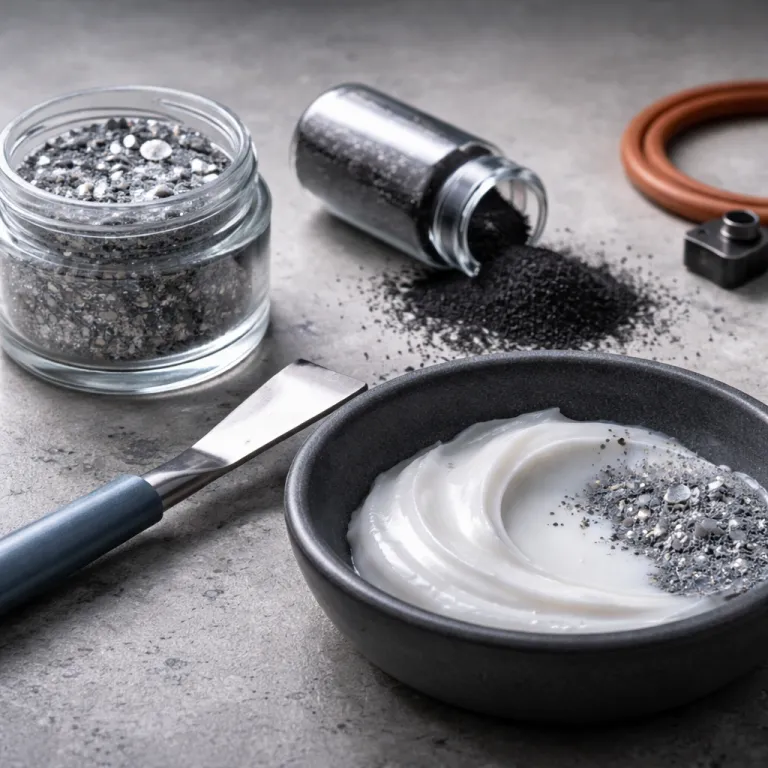
The EU cosmetics ingredient ban 2026 is not a distant headline; it is a live regulatory shock that is already reshaping every serious cosmetic product on European shelves. Under Regulation (EU) 2026/909 of the European Parliament and of the Council of 13 June 2026, which amends Regulation (EC) No 1223/2009 and its annexes, perboric acid and its salts, silver in powder form and specific multi‑walled carbon nanotubes are now listed as prohibited substances in Annex II, while key cosmetic ingredients such as Citral, Benzyl Salicylate, Hexyl salicylate, certain water‑soluble zinc salts and the UV filter DHHB (Diethylamino Hydroxybenzoyl Hexyl Benzoate) face tighter maximum concentration limits and fresh ingredient restrictions in Annex III. For luxury cosmetics, this means that iconic fragrance accords, high performance sunscreens and even some high tech textures must be rebuilt from the annex tables up, with brands racing to maintain performance while meeting strict safety requirements based on the latest Scientific Committee on Consumer Safety (SCCS) opinions.
Regulation (EU) 2026/909, applicable from 1 January 2026 with product‑specific transition dates set out in its annex, revises Annex II to list newly banned substances and updates Annex III to introduce new maximum concentration thresholds and an expanded list of fragrance allergens that must be labelled above defined cut‑off levels. For example, the Official Journal publication specifies that cosmetic products containing newly prohibited substances may no longer be placed on the Union market from 1 July 2026 and must be withdrawn from shelves by 1 July 2027, while products reformulated to comply with new concentration limits benefit from a slightly longer sell‑off period. These changes sit on top of existing regulations on PFAS and other substances of very high concern, so regulatory compliance teams now juggle overlapping restrictions, evolving safety assessments and a more assertive European Commission stance on consumer safety. For you as a luxury client, the impact is subtle but real; the same cosmetic products may quietly shift in texture, scent trail and wear time as brands reformulate to stay within the new concentration limits without sacrificing that signature sensorial payoff.
The most immediate pressure points are sunscreens, fine fragrance and antimicrobial cosmetic products that relied on silver‑zinc combinations or high levels of certain salicylates. According to the amended Annex III entries, DHHB, a popular UV filter in high end European sunscreens, is now capped at 7% in face products and 10% in body formulations, compared with higher effective use levels under the previous annex entries, while aluminium‑containing cosmetic ingredients and water‑soluble zinc salts used in leave‑on products are newly restricted by category‑specific maximum concentrations, forcing a rethink of elegant fluid SPF textures that still pass rigorous safety assessments. Hair dye lines, long dependent on a narrow palette of powerful substances, are also under scrutiny, with the products market watching closely for any future annex updates that could further narrow the regulatory space for ultra vivid shades and long‑lasting oxidative colour; the European Chemicals Agency (ECHA) has already highlighted several hair dye precursors for ongoing risk evaluation, signalling that additional restrictions are plausible even if not yet adopted.
Reformulation waves, transition periods and what luxury buyers will notice
For luxury brands, the EU cosmetics ingredient ban 2026 is less about panic and more about timing, because transition periods determine how quickly every cosmetic product must comply. Regulation (EU) 2026/909 sets different deadlines for placing non‑compliant products on the market and for withdrawing them from shelves: the Official Journal text specifies that products containing newly banned substances may be placed on the market only until 30 June 2026 and made available to consumers until 30 June 2027, while products that merely exceed new concentration limits benefit from a later cut‑off, typically 31 December 2027, for sell‑off. In practice, that means you will see both old and new batches of the same cosmetics in circulation for a while, with subtle differences in fragrance intensity, SPF filters or even the feel of a serum as regulation compliance deadlines bite and stock manufactured under the previous rules is gradually replaced.
Fragrance houses are working through the new rules on fragrance allergens, Hexyl salicylate caps and Benzyl Salicylate limits, especially in hydroalcoholic products where the maximum concentration is now tightly defined for fine fragrance, body sprays and aftershaves. The revised Annex III entries, which mirror earlier SCCS safety opinions, set lower thresholds for these cosmetic ingredients in both leave‑on and rinse‑off formats and expand the list of allergens that must be declared on the label when present above 0.001% in leave‑on and 0.01% in rinse‑off products. A luxury eau de parfum that once leaned heavily on salicylate warmth may need a new backbone, because the concentration limits for these materials are now more conservative, and ingredient restrictions on triphenyl phosphate and certain PFAS narrow the palette further. Expect more transparent, airier compositions and a shift toward biodegradable musks and naturals that pass strict safety assessments while still feeling opulent on skin after eight hours; several European niche houses have already announced “allergen‑aware” reformulations in press releases that explicitly reference Regulation (EU) 2026/909 and updated Annex III entries.
Outside fragrance, antimicrobial products that used silver powder or silver‑zinc complexes for preservation or glow effects must pivot fast, as outright bans and new restrictions close that regulatory door. High tech hair dye ranges and hybrid makeup‑skincare cosmetic products are also being reworked to align with the evolving cosmetics regulation, especially where aluminium or nano substances are involved and where ECHA has issued risk management option analyses. If you shop European manufactured products from abroad, especially online, you will want to pay attention to batch codes and reformulation notes, and guides on how to navigate beauty supply online for luxury cosmetics can help you distinguish fresh compliant stock from older inventory still moving through the products market; some prestige retailers already flag “2026 EU‑compliant formula” in product descriptions to reassure informed buyers.
Consumer action box
1. Check batch codes: look for a stamped or laser‑printed code on the base or crimp; newer, reformulated batches usually have later production dates that fall after the 2026 compliance deadlines stated in Regulation (EU) 2026/909.
2. Read labels carefully: scan the ingredient list for updated allergen labelling, new INCI names or small notes such as “new formula”, “reformulated to comply with EU Regulation (EU) 2026/909” or “EU‑compliant reformulation”.
3. Verify reformulation notices: consult brand websites, official customer service channels, product inserts or the Official Journal summary for statements referencing Regulation (EU) 2026/909, revised Annex II or Annex III entries, and updated maximum concentration limits.
Future of luxury beauty under stricter safety rules
The EU cosmetics ingredient ban 2026 is accelerating a deeper shift in luxury cosmetics, where safety, sustainability and performance must coexist rather than compete. As cosmetic regulation tightens around PFAS, triphenyl phosphate, aluminium salts and other high concern substances, brands are investing in greener cosmetic ingredients, more transparent safety assessments and cleaner supply chains that still deliver that cashmere‑on‑skin finish. The European Commission is signalling through its Chemicals Strategy for Sustainability and successive Official Journal amendments that consumer safety will remain the north star, so any cosmetic ingredient that struggles to meet evolving requirements or maximum concentration thresholds in Annex II or Annex III is unlikely to survive long term in a modern annex update.
For skincare‑first minimalists, this regulatory wave can be an ally, because regulation compliance pushes brands toward leaner INCI lists, smarter concentration limits and clearer labelling of fragrance allergens and potential sensitizers. You will see more emphasis on the full life cycle of each cosmetic product, from sourcing to biodegradability, and more education on how regulation and restrictions intersect with everyday routines, from your daily SPF to that once‑a‑week hair dye gloss. Curated guides to a skincare routine for beginners with four steps and zero hype now increasingly reference regulatory context, helping you choose cosmetic products that respect both your barrier and the stricter cosmetics regulation landscape, often citing SCCS opinions and European Commission Q&A documents as part of their ingredient explanations.
Texture and sensoriality will not disappear; they will evolve, with balaclava‑mask‑level protection in winter skincare now relying on smarter occlusives rather than controversial substances. Luxury brands that master this pivot will treat the annex tables as a creative brief, not a constraint, using regulatory pressure to justify better research, more precise concentration limits and genuinely innovative cosmetic products that feel modern on the skin. In the end, the real test for this new era of cosmetic regulation is not the Instagram filter, but the mirror test, backed by transparent ingredient lists, Official Journal references and safety data that can be traced all the way from the SCCS opinion to the bottle in your hand.