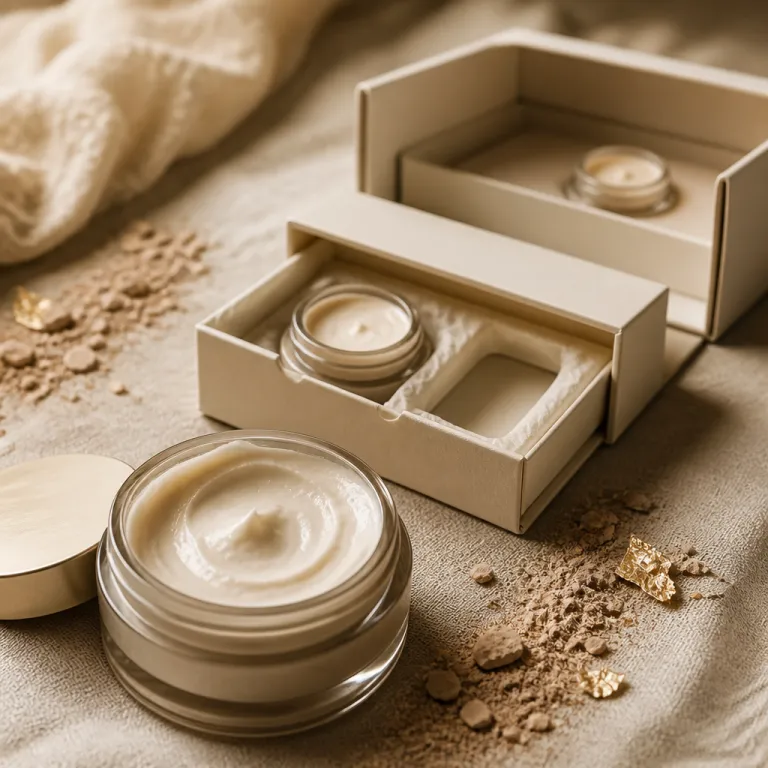
How the mini beauty products trend rewired luxury habits
The mini beauty products trend did not start as a gimmick ; it began as a survival strategy for luxury lovers navigating inflation and unstable incomes. Prestige cosmetics brands quickly understood that a 10 millilitre mini size product feels psychologically lighter than a 50 millilitre full size, even when the unit price quietly climbs. Minis promise access to the same formulas, the same color cosmetics stories, and the same aspirational brands, while your bank app breathes a little easier.
For a trend curious Gen Z consumer, a beauty mini is less about scarcity and more about optionality, because a single full sized foundation or cream now competes with a rotating shelf of viral launches. The mini beauty products trend lets you build a wardrobe of formats and sizes, from travel sized sprays to pocket lip balms, without committing full budget or bathroom space to one product that might disappoint. This is variety seeking as self care, where a mini makeup haul from Ulta or a luxury department store becomes a low risk way to test shades, textures, and finishes across multiple brands.
Luxury cosmetics houses frame these mini formats as generosity, as if they are gifting you a backstage pass to their skincare and makeup universes. In reality, the economics are sharper ; a 15 millilitre travel size product often costs more per millilitre than its 50 millilitre full size sibling, and that price gap widens further when the mini is bundled into curated discovery sets. The mini beauty products trend therefore sits at the intersection of genuine consumer empowerment and very strategic margin management, and both sides of that equation matter if you care about where your beauty budget goes.
Look at how minis changed the way we buy foundation SPF and skin care ; instead of one carefully chosen bottle, many shoppers now rotate between several travel sized bases, serums, and creams depending on mood and social calendar. This shift is especially visible in color cosmetics, where mini makeup palettes, mini size mascaras, and travel sized lip products encourage experimentation with bolder color stories that might have felt risky in full sized formats. The result is a beauty landscape where sizes and formats are as much a styling tool as the products themselves, and where the line between trial and long term use has blurred.
Retailers such as Ulta and Sephora have leaned into this mini beauty products trend with dedicated gondolas of minis and travel size beauty products placed strategically near checkout. These displays are not an afterthought ; they are meticulously merchandised with bestselling skincare, body care, and makeup in mini formats that invite impulse grabs. When you reach for a mini size lip balm or a travel sized spray, you are participating in a carefully engineered choreography of size, price, and desire that keeps luxury cosmetics feeling attainable while quietly lifting average basket value.
Try before you buy, or just paying more for less ?
Economic uncertainty has made the try before you buy mindset feel rational, and the mini beauty products trend is perfectly calibrated to that anxiety. A 5 millilitre size product of eye cream or a travel sized foundation SPF seems like a smart test drive when your skin is reactive and your budget is finite. You avoid committing full price to a full size that might oxidise, pill under other skincare, or trigger breakouts after two weeks of real life wear.
There are clear upsides ; minis let you patch test new skin care actives, assess how a cream behaves under makeup, and see whether a body product scent clings pleasantly or becomes cloying after eight hours. For base products, a mini size foundation SPF or a travel sized shape tape concealer dupe can reveal whether the texture creases, whether the shade shifts, and whether the finish still flatters under harsh office lighting. This is where the mini beauty products trend genuinely respects your skin and your wallet, because it reduces the risk of a full sized misstep that ends up languishing half used.
Yet the unit price maths tells a sharper story ; many mini beauty products cost 40 to 60 percent more per millilitre than the equivalent full size, especially in prestige cosmetics. When you buy three minis of the same product over several months instead of one full sized bottle, you are effectively paying a premium for flexibility and the illusion of thrift. The brands benefit from this pattern, because minis drive trial, feed reviews, and often lead to repeat purchases without the margin squeeze of constant discounting.
There is also the question of how minis reshape your sense of enough, because a travel size or travel sized product normalises the idea that beauty comes in fleeting doses rather than stable staples. Instead of finishing a full size cream or a full sized foundation, you may cycle through a carousel of mini makeup and skincare minis, always chasing the next viral formula. This constant rotation can be thrilling, but it also keeps you in a perpetual trial phase where committing full is framed as almost old fashioned.
Indie brands feel this tension acutely ; securing shelf space for both full size and mini size formats at a major retailer such as Ulta can be prohibitively expensive. When conglomerate owned brands flood the mini beauty products trend with endless discovery sets and travel size bundles, smaller labels struggle to compete on visibility and price per millilitre. If you are curious about how this plays against the broader shift away from strict minimalist routines, the analysis in this deep dive on the end of minimalist beauty offers useful context on why maximalist sampling now feels aspirational.
When minis are genius, and when they are just shrinkflation
Not every mini beauty product is a trap ; some are genuinely smart tools for modern life. Travel size and travel sized formats shine when you are navigating airport security, micro apartments, or a week of back to back events with only a carry on. In those scenarios, a tightly edited lineup of mini makeup, skincare minis, and body care minis can keep your routine polished without the bulk of multiple full sized bottles.
Think of a travel sized spray of hair fragrance, a mini size lip balm that doubles as a cuticle cream, and a 15 millilitre foundation SPF that fits into the smallest crossbody bag. These beauty products earn their keep because the size product aligns with how you actually live, not just how brands want you to shop. The mini beauty products trend is at its best when formats and sizes are designed around real world use cases such as patch testing, short trips, or gifting, rather than simply shrinking a full size to justify a higher margin.
Gifting is another area where minis make emotional and financial sense ; a curated beauty mini set lets you share several brands and textures without guessing a single full sized shade. Discovery sets built around skin care, color cosmetics, or body products can introduce a friend to a new category, while keeping the overall spend controlled. When these discovery sets are thoughtfully edited, with clear labelling of sizes and product functions, they can be a low waste way to circulate minis that will actually be used rather than hoarded.
However, shrinkflation creeps in when a mini size product is marketed as a generous deluxe sample while quietly replacing what used to be a standard travel size. You see this in some lip and cream categories, where the bullet or jar looks substantial but hides a shallow pan that empties after a handful of uses. The mini beauty products trend crosses into pure marketing when the format no longer supports meaningful testing or travel, but exists mainly to generate more transactions and more five star reviews.
Color cosmetics illustrate this tension clearly ; a mini makeup palette with pans too small for a standard brush is not a functional object, it is a prop. By contrast, a well designed mini size blush or lip product with a full sized applicator can deliver the same performance as the full size, simply with less volume. If you want to understand how sensorial formulas behave in different formats, the analysis in this piece on color changing lip oil in luxury beauty is a useful lens on how texture, payoff, and wear time translate between minis and full sized products.
The hidden costs of tiny luxury : environment, margins, and what comes next
Every mini beauty product carries an environmental footprint that is often larger per millilitre than its full sized counterpart. More plastic caps, more pumps, more cardboard sleeves, and more shipping boxes mean that the mini beauty products trend can quietly increase packaging waste even as it reduces individual product size. When you multiply that by millions of minis sold across global cosmetics brands, the sustainability story becomes harder to gloss over with recycled paper and pastel ink.
From a margin perspective, minis are a dream ; they allow brands to charge a premium per millilitre while framing the purchase as a low risk entry point into luxury beauty. A 10 millilitre travel size cream that costs half the price of the 50 millilitre full size often delivers far more profit per unit, especially when sold in high traffic areas such as Ulta checkout aisles. The mini beauty products trend therefore functions as both sampling engine and revenue accelerator, blurring the line between generosity and strategic upsell.
Consumers are not powerless in this equation ; you can run the unit price maths, compare sizes, and decide when a mini size product serves your life rather than the brand’s quarterly results. For staples you use daily, such as foundation SPF, lip balm, or your core skin care, a full sized or even jumbo size product usually offers better value and less packaging per use. Reserve minis, travel size formats, and discovery sets for genuine testing, short trips, or categories where you rarely finish a full size, such as bold color cosmetics or highly perfumed body creams.
The future of the mini beauty products trend will likely hinge on transparency ; clearer labelling of sizes, refillable mini formats, and honest communication about unit pricing could turn minis into a more sustainable habit. Some K beauty brands are already experimenting with refill pods and modular discovery sets that reduce waste while still feeding the desire for variety, a shift explored in depth in this analysis of K beauty picks worth your counter space. As luxury cosmetics evolves, the most interesting brands will be those that treat size, format, and price as levers for long term trust rather than short term clicks.
For now, the sharpest move is selective enthusiasm ; embrace minis where they genuinely enhance your routine, and stay loyal to full size products where consistency and value matter more than novelty. The mirror test is simple ; if a mini beauty haul leaves your shelf cluttered, your budget stretched, and your favourite formulas half used, the size was never the real luxury. The real luxury is owning fewer products in the right sizes, with textures and shades that still make sense on your skin after eight hours and after the hype fades.
Key figures behind the mini beauty products trend
- According to a recent BeautyMatter market analysis, sales of travel size and mini beauty products in prestige channels grew by more than 65 percent over a three year period, outpacing the growth of full size cosmetics and skincare in the same timeframe.
- Business of Fashion reporting shows that in some luxury categories, minis can cost between 40 and 70 percent more per millilitre than the equivalent full sized product, highlighting how the mini beauty products trend boosts brand margins even as it lowers entry price points.
- Packaging lifecycle assessments cited by major sustainability consultancies indicate that small formats such as minis and travel sized products can generate up to three times more packaging waste per millilitre than standard sizes, once caps, pumps, and outer cartons are included.
- Retail data from large beauty chains such as Ulta and Sephora suggests that baskets containing at least one mini size product or travel size item have a significantly higher average value, confirming that minis function as effective impulse drivers near checkout.
- Consumer surveys in prestige beauty indicate that more than half of Gen Z and Millennial shoppers prefer to try a mini makeup or skincare mini before buying a full size, reinforcing how the mini beauty products trend has normalised trial based purchasing behaviour.