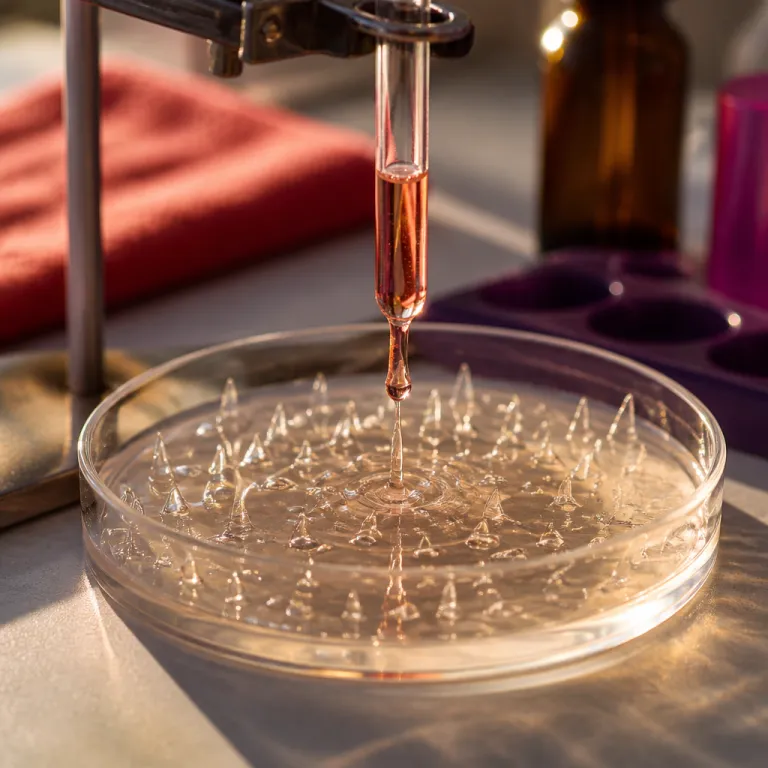
Spicule skincare: marine sponge micro spicules in luxury routines
From marine sponge to micro spicule luxury skincare
Spicules sit at the intersection of marine biology and high end skin care. This spicules skincare ingredient is typically derived from the siliceous sponge Haliclona sp. or related marine species whose skeletons contain needle like silica micro structures. These sponge spicules are purified, milled, and standardized into mineral micro needles that behave like a microscopic reedle shot, creating controlled micro channels in the skin rather than relying on a classic chemical acid peel.
On contact with damp skin, these micro spicules lodge into the upper stratum corneum and gradually press deeper with massage, mimicking a form of liquid microneedling without devices. Unlike soluble actives, the silica based spicules do not fully dissolve; instead, they remain embedded for roughly one to two days in published cosmetic studies and are then removed as the outermost corneocytes shed through natural desquamation. Luxury skincare products from Korea and beyond suspend the spicules in silky serum textures, gel essence bases, or rich creams to cushion the mechanical action. The goal is precise skin delivery of active ingredients such as peptides, epidermal growth factors, or azelaic acid while respecting the skin barrier more than aggressive in clinic microneedling.
Think of a spicule serum as a micro shot of stimulation that keeps working for up to 48 hours, long after application, although exact duration varies between formulations. As the micro spicules remain anchored in the stratum corneum and are gradually shed with normal turnover, they continue to nudge epidermal growth and cell renewal from within. This inside out exfoliation is why spicule skincare now appears in many next generation skincare products positioned as an alternative to daily acid toners.
How spicules work beneath the surface of the skin
Under a microscope, sponge spicules look like glassy needles that can penetrate the stratum corneum with surprising ease. In cosmetic preparations, typical particle lengths range from roughly 50–200 μm, small enough to enter the outer epidermis but not the dermis in healthy skin according to current in vitro and ex vivo work. When a spicules skincare formula is massaged in, each micro spicule creates a tiny, controlled micro injury that the skin reads as a signal to repair. That repair response drives epidermal growth, collagen related signaling, and improved skin delivery of any active ingredients dissolved around the spicules.
This mechanism explains why spicule serums are often paired with growth factor complexes, EGF blends, or hydrating cushions of hyaluronic acid rather than high percentages of acid exfoliants. In a randomized split face trial on periocular wrinkles using a sponge spicule cream at 2–3% concentration (Lee et al., 2013, Ann Dermatol, PMID: 24371392), investigators reported significant improvements in fine lines and texture with mostly transient erythema and stinging. The spicules themselves provide the exfoliation through mechanical action, while the surrounding essence or serum phase focuses on care, comfort, and barrier support. For luxury minimalists who already use targeted microneedling or in office treatments, spicule skincare can extend results between sessions without the downtime of deeper procedures.
Brands inspired by Korea’s research led approach now frame spicules as a form of at home liquid microneedling that respects the skin barrier when used correctly. You will often see them combined with azelaic acid in low percentages, where the acid refines tone while the micro spicules enhance penetration and may speed up visible results. If you want to understand the science more deeply, searching PubMed for terms such as “sponge spicules epidermal growth Lee 2013 periocular wrinkles” or “Haliclona sp. micro spicules cosmetic trial” will surface early but growing data on this spicules skincare ingredient and its impact on fine lines and texture.
For a broader wellness perspective that mirrors this gentle yet effective philosophy, you can explore guides to luxury scalp treatment rituals that treat the skin of the scalp with similar respect. The same principles of barrier aware care, micro stimulation, and thoughtful active ingredients apply from forehead to hairline. Luxury today is less about aggression and more about intelligent, skin compatible nudges toward renewal.
Who spicule skincare serves best, and who should skip it
Spicule skincare shines on dull, thickened, or congestion prone skin that no longer responds well to daily acid exfoliants. If your skin care routine already includes retinoids, azelaic acid, or vitamin C but texture still feels uneven, a spicule serum can add a different, more mechanical form of renewal. The micro spicules create pathways that help these active ingredients reach slightly deeper layers without increasing their nominal concentration.
Post acne marks, shallow scars, and fine periocular wrinkles often respond particularly well because the spicules focus their micro injuries in the upper epidermis. In the Lee et al. periocular study (PMID: 24371392), for example, participants using a sponge spicule cream showed measurable wrinkle depth reduction after several weeks with no scarring or pigmentary complications reported. Over time, this repeated epidermal growth stimulus can soften edges and improve light reflection, especially when paired with hydrating cushions of hyaluronic acid and barrier strengthening ceramides. For many luxury clients, this means smoother makeup application and less reliance on heavy coverage, which aligns with a skincare first aesthetic.
There are clear red lines though, and they matter if you value your skin barrier as much as your serum wardrobe. Anyone with active eczema, inflamed rosacea, or a recently compromised barrier from overusing acid peels should avoid spicule skincare until the skin is fully calm. In those cases, focus on barrier repair, gentle skin care, and even a switch to gentler oral care formulas that mirror the same low irritation philosophy across your routine.
Even on resilient skin, start with a lower frequency of application, such as once weekly, and build up only if your skin tolerates the micro stimulation. Documented adverse events in published cosmetic trials are usually limited to temporary redness, burning, or itching lasting up to 24–48 hours, but individual sensitivity varies widely. Listen for feedback in the form of prolonged erythema, stinging, or tightness, which signal that the micro spicule load or active ingredients may be too intense. Luxury is having the patience to adjust, not pushing through discomfort for faster results that rarely last.
How to read a spicules based INCI list like an expert
When evaluating skincare products built around the spicules skincare ingredient, the INCI list tells you almost everything you need to know. Look for terms referencing sponge spicules, hydrolyzed sponge, Hydrolyzed Sponge (Haliclona sp.), or micro spicules high enough in the list to matter, but not so high that the formula feels like sandpaper on application. Most luxury brands aim for a balance where you can feel a subtle prickle, not a harsh scrape, across the skin.
Next, scan for the supporting cast of active ingredients that justify the micro injury created by each spicule. EGF complexes, peptides, and other growth factor blends make sense here, because the enhanced skin delivery from the micro channels can amplify their effects on epidermal growth and texture. Hydrators such as hyaluronic acid, glycerin, and soothing plant extracts then buffer the experience, helping the skin barrier stay intact while renewal accelerates.
Formulas marketed as a reedle shot or spicule serum often sit in a viscous, almost cushiony base that slows penetration and extends contact time. This texture allows the micro spicule structures to lodge gradually into the stratum corneum, releasing their mechanical stimulus over hours rather than minutes. If you see strong acid exfoliants high in the list alongside dense spicules, be cautious, because the combined load can tip even resilient skin into irritation.
For those who like to cross check marketing claims, PubMed remains a valuable resource for emerging data on sponge spicules and their role in skin care. Search terms such as “sponge spicule cosmetic safety,” “Haliclona silica micro needle skin delivery,” or “sponge spicules adverse events” will surface both efficacy and tolerability data. While the number of controlled human trials is still modest, early work on periocular wrinkles and texture gives a realistic sense of what to expect. The most sophisticated routines pair these findings with tools that enhance absorption of skin care products, such as a facial cleansing and firming device that preps the skin without stripping the barrier.
Designing a spicule centered routine for luxury minimalists
A well designed spicule skincare routine respects both the potency of the spicules and the fragility of the skin barrier. Start with a low foam, non stripping cleanser, then apply a hydrating essence to give the skin a micro cushion before the spicule serum touches it. This thin veil of moisture helps the micro spicules glide more evenly and reduces the risk of hot spots where too many spicules cluster.
On slightly damp skin, press in a measured amount of your chosen spicule serum or reedle shot, using slow, deliberate strokes rather than aggressive rubbing. You should feel a tingling, prickly sensation that peaks within minutes and then settles as the spicules embed into the stratum corneum. In clinical and consumer use, this sensation is usually described as tolerable and short lived, though people with very reactive skin may find it uncomfortable. Layer a simple, fragrance free cream rich in ceramides and hyaluronic acid on top to seal the active ingredients in and support epidermal growth and repair overnight.
Because this spicules skincare ingredient already acts like a form of at home microneedling, avoid stacking it with strong acid peels, high dose retinoids, or abrasive scrubs on the same night. Think of spicule serums as the main event, with the rest of your skin care cast playing quiet supporting roles focused on hydration and calm. Over several weeks, many users in observational reports describe smoother texture, refined pores, and softer periocular wrinkles that pass the mirror test, not just the front camera test.
Evidence & safety snapshot for sponge spicules
Particle size: Most cosmetic grade sponge spicules fall in the 50–200 μm length range, designed to reach the stratum corneum and superficial epidermis without intentional dermal penetration in healthy skin.
Tested concentrations: Human cosmetic trials have typically used creams or serums containing around 2–3% sponge spicules by weight (for example, Lee et al., 2013, Ann Dermatol, PMID: 24371392), with visible improvements in fine wrinkles and texture over several weeks.
Adverse events: Reported side effects in these early studies were mainly transient erythema, burning, or itching lasting up to 24–48 hours, with low rates of discontinuation. Long term safety data and large scale trials remain limited, so cautious, stepwise introduction is still advisable.
Regulatory status: In most regions, sponge spicules are regulated as cosmetic ingredients rather than medical devices when used in over the counter skincare. They are not approved drugs for treating disease, and claims should remain in the cosmetic realm of appearance improvement, texture refinement, and supportive care.
FAQ
Are spicules safe for sensitive skin types ?
Spicules can be too stimulating for very sensitive or reactive skin, especially during eczema or rosacea flares. In published cosmetic studies using 2–3% sponge spicule creams (for example, Lee et al., 2013, PMID: 24371392), most adverse reactions were limited to short term redness, burning, or itching, but these trials generally excluded highly sensitive participants. If your skin barrier is compromised, you should avoid spicule skincare until redness and stinging have fully resolved. Once the skin is stable, patch test a low strength spicule serum on a small area for several nights before applying it to the full face.
How often should I use a spicule serum in my routine ?
Most people with resilient skin do well starting with spicule serums once weekly, then increasing to twice weekly if there is no prolonged redness or discomfort. Daily use is rarely necessary because the micro spicules continue to stimulate epidermal growth for up to two days. If you already use retinoids or acid exfoliants, keep spicule application to one night per week and skip other strong actives on that evening.
Can I combine spicules with microneedling or in clinic treatments ?
Combining spicules with professional microneedling or lasers on the same day is not recommended, because the cumulative micro injury can overwhelm the skin barrier. Most dermatologists advise waiting at least one to two weeks after in clinic procedures before reintroducing any spicule skincare ingredient. When in doubt, follow your practitioner’s post treatment protocol and reintroduce spicules slowly once the skin looks and feels fully calm.
Do spicules replace acid exfoliants completely ?
Spicules do not have to replace acid exfoliants entirely, but they can reduce your reliance on daily peels. Many luxury routines now alternate between a gentle lactic or azelaic acid serum on some nights and a spicule based product on others. This rotation offers both chemical and mechanical renewal while giving the skin barrier recovery time between stronger interventions.
Where do spicules fit in a minimalist luxury skincare routine ?
In a streamlined routine, spicules usually sit after cleansing and hydrating essence, but before any richer creams or oils. This placement allows the micro spicules to reach the stratum corneum directly and enhance skin delivery of the active ingredients dissolved around them. Think of them as an occasional treatment step, not a daily staple, reserved for evenings when you want a more intensive yet still controlled exfoliation from the inside.