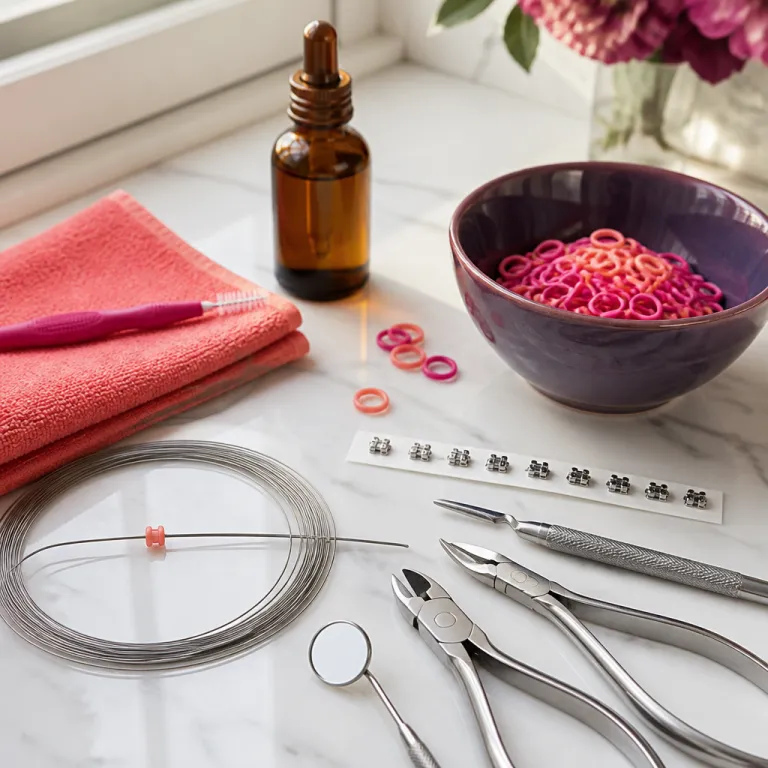

Luxury smile aesthetics with braces: how to whiten teeth safely
Luxury beauty lovers know that a radiant smile completes couture makeup looks. When you wear braces, learning how to whiten teeth with braces becomes as essential as curating a skincare wardrobe, because every tooth and every bracket interacts differently with whitening agents. A refined approach to teeth whitening respects both oral health and the harmony of your overall beauty ritual.
Orthodontic appliances create tiny shadows where stains accumulate on enamel and around each tooth. A cosmetic dentist who works in high end dental offices will usually start with a full dental health assessment, then design a whitening treatment that fits your braces, your lifestyle, and your sensitivity level. This is the standard in luxury dentistry, where professional teeth care is tailored as carefully as a bespoke facial.
For patients in fixed metal or ceramic braces, the safest whitening options focus on the exposed enamel only. Your dentist will often recommend delaying intensive bleaching treatments until after the brackets are removed, because hydrogen peroxide based gels cannot reach the enamel hidden beneath the brackets. This is how you avoid uneven whitening patterns and preserve the integrity of your permanent teeth.
At home, you can still elevate your smile aesthetics with whitening toothpaste that is formulated for orthodontic patients. These whitening products usually rely on gentle polishing agents rather than aggressive bleaching, which helps manage surface stains without compromising dental care or irritating the gums around the brackets. Think of this as daily maintenance, not a dramatic whitening treatment, much like using a brightening serum between professional facials.
To protect both your braces and your enamel, your dentist will insist on meticulous dental care. That means using interdental brushes, water flossers, and fluoride toothpaste, then pairing them with carefully chosen over the counter teeth whitening solutions if appropriate. When curated thoughtfully, these products work with whitening strategies prescribed by your orthodontist, rather than against them.
One golden rule is to avoid eating highly pigmented foods immediately after any whitening treatments. Red wine, soy sauce, and dark berries cling to porous enamel, especially when hydrogen peroxide has temporarily opened microscopic channels in the tooth surface. As New York orthodontist Dr. Lena Ortiz notes, “The first 24 hours after bleaching are when enamel is most absorbent, so color stable foods and meticulous rinsing matter more than any single product choice.” This is the oral care equivalent of protecting freshly exfoliated skin from pollution and UV exposure.
At home whitening with braces: what really works in a luxury routine
For beauty connoisseurs, at home teeth whitening must feel as considered as a La Prairie mask or a Clé de Peau serum. When braces enter the picture, the question of how to whiten teeth with braces becomes less about speed and more about precision, comfort, and long term health. The goal is a luminous smile that complements your lipstick, not a compromised enamel surface.
Whitening toothpaste is usually the first step, and it should be chosen with the same care you give to a luxury cleanser. Look for whitening products that combine low dose hydrogen peroxide or gentle whitening agents with remineralizing ingredients such as fluoride or hydroxyapatite, because these support dental health while lifting stains. This dual action mirrors high end skincare, where brightening and barrier repair go hand in hand.
Whitening strips are more complex when you have brackets. Standard over the counter teeth whitening strips rarely sit evenly on teeth with wires, which can lead to patchy whitening effects and irritation where the strip bunches against the gums. If you insist on this route, your dentist will usually advise modified application techniques or alternative whitening options that are safer for orthodontic hardware.
Many orthodontic patients prefer paint on whitening treatments or pens that allow targeted application around each tooth. These products can be used with whitening strategies that focus on the visible enamel between brackets, helping to soften stains from coffee or tea without flooding the gums. Always align these at home whitening treatments with guidance from your dental care team to avoid over bleaching.
Timing matters as much as product choice. If you are preparing for a major event where your smile will be photographed, your dentist will often suggest a gentle at home whitening treatment several weeks in advance, then a more intensive professional teeth whitening session after the braces are removed. This phased approach respects both orthodontic treatment and long term dental whitening goals, and it allows for adjustments if sensitivity appears.
Remember that lifestyle habits can either support or sabotage your whitening options. Try to avoid eating or drinking dark, acidic beverages for at least one hour after using any whitening toothpaste or gel, because enamel is slightly more vulnerable during that window. For more insight into how long wear beauty formulas behave under stress, the methodology in this eight hour wear test for summer formulas offers a useful parallel in disciplined product testing, where controlled conditions reveal which routines truly endure.
Professional teeth whitening in the dental office when you wear braces
In the luxury segment, professional teeth whitening in a dental office is treated like a medical grade facial for your smile. When braces are involved, the protocol for how to whiten teeth with braces becomes even more bespoke, because every bracket, wire, and tooth position affects how whitening agents behave. This is where the expertise of a cosmetic dentist truly earns its premium.
Most in office whitening treatments rely on controlled concentrations of hydrogen peroxide or carbamide peroxide. Your dentist will isolate the gums, protect the brackets, and apply the gel only to the exposed enamel, carefully avoiding areas that will remain covered until the end of orthodontic treatment. This precision ensures that when the braces are removed, the transition between previously covered and uncovered enamel is as seamless as possible.
For patients with ceramic or sapphire brackets, the aesthetic stakes feel even higher. These individuals often request subtle dental whitening during treatment to keep stains at bay, while planning a more dramatic whitening treatment once the permanent teeth are fully visible again. Your dentist will usually schedule this final phase shortly after debonding, when your dental care routine can shift from orthodontic maintenance to pure cosmetic refinement.
Some clinics offer hybrid whitening options that combine an in office session with custom trays for at home use. These whitening trays are molded around your current tooth and bracket configuration, allowing you to apply lower dose whitening agents under professional supervision. This approach gives you more control over the pace of whitening changes, similar to adjusting the strength of retinoids in a skincare plan.
Communication with your orthodontist is essential. The dentist will coordinate timing so that whitening treatments do not interfere with adhesive strength or bracket repositioning, especially in complex cases. This collaboration mirrors the way a facialist and dermatologist align on active ingredients to protect skin health while pursuing visible results.
Once your braces are removed, your smile transformation can be completed with a full course of professional teeth whitening. At this stage, your dentist will evaluate any residual stains, previous bleaching history, and enamel thickness before recommending specific whitening products or in office systems. London cosmetic dentist Dr. Amira Shah explains, “Most patients can expect a change of two to eight shades on a standard guide, but the most natural looking results come from stopping one or two steps short of the brightest tab.” For those who obsess over shade matching in foundation, the detailed shade guides used in dental whitening are surprisingly similar to the techniques outlined in this guide to finding your foundation match beyond a jaw swatch.
Pediatric dentistry, braces, and whitening for younger luxury beauty fans
Luxury beauty now speaks to younger audiences, and many teenagers in braces ask about teeth whitening as soon as they start experimenting with lip gloss and highlighter. In pediatric dentistry, the question of how to whiten teeth with braces is handled with extra caution, because developing permanent teeth respond differently to whitening agents than mature enamel. Parents who value both aesthetics and health need clear guidance from a pediatric dentist before introducing any whitening products.
Pediatric dentistry specialists focus first on dental health, not shade. They will assess whether stains are extrinsic, caused by food and drinks, or intrinsic, linked to enamel development or early antibiotic use, because each type of stain responds differently to whitening treatments. Often, a meticulous dental care routine with professional cleanings and a mild whitening toothpaste is recommended before any bleaching is considered.
For adolescents wearing braces, over the counter teeth whitening strips are usually discouraged. These strips rarely adapt well to smaller teeth and orthodontic hardware, increasing the risk of uneven whitening patterns and gum irritation, especially in younger mouths. Instead, a pediatric dentist will often suggest polishing pastes, fluoride varnishes, and lifestyle changes such as avoiding eating or drinking sugary, pigmented beverages between meals.
When parents and teens insist on some form of whitening treatment, pediatric dentistry protocols favor ultra low concentration hydrogen peroxide gels applied under strict supervision. These dental whitening approaches prioritize enamel preservation and long term health over dramatic shade changes, which aligns with a more responsible, slow luxury philosophy. The dentist will usually reassess after braces removal, when more comprehensive whitening options become safer.
Education plays a major role in this age group. Explaining how plaque, braces, and diet interact to create stains helps young patients understand why whitening teeth is not a shortcut for poor brushing habits. Many pediatric dental offices use shade guides and before after photos to show how consistent care can brighten a smile’s appearance even before any bleaching.
Parents who are immersed in luxury cosmetics often appreciate this measured approach. They understand that just as you would not use the strongest acid peel on a teenager’s skin, you should not rush into aggressive whitening treatments on newly erupted permanent teeth. For broader context on how aesthetic ideals evolve in beauty culture, the analysis of body image in this piece on reshaping luxury beauty ideals offers a thoughtful parallel.
Luxury oral care as part of a full beauty ritual
For those who collect Hermès lipsticks and Chanel highlighters, oral care is no longer an afterthought. The conversation about how to whiten teeth with braces now sits alongside discussions of serums, essences, and sculpting tools, because a bright smile frames every makeup look. Luxury dentistry responds with curated whitening options that feel as elevated as a spa treatment.
High end dental offices increasingly offer boutique experiences, from aromatherapy in the waiting room to customized dental whitening plans that integrate with your skincare and nutrition routines. During consultations, the dentist will map out how whitening treatments, orthodontic adjustments, and routine cleanings interact over months, much like a facialist plans seasonal skin treatments. This long view helps prevent overuse of whitening agents and protects dental health while still pursuing a luminous smile.
At home, patients build oral care wardrobes that rival their bathroom shelves. They combine whitening toothpaste, remineralizing serums, and specialized brushes with whitening accessories designed for braces, such as orthodontic flossers and silicone tipped interdental tools. Each product is chosen not only for its whitening potential but also for how it supports gum health, enamel strength, and overall dental care.
Diet becomes another pillar of this ritual. To maintain results from any whitening treatment, dentists often advise patients to avoid eating or drinking highly pigmented foods in the immediate post whitening window, then to rinse with water after coffee or tea. This mindful approach mirrors the way skincare enthusiasts avoid harsh cleansers after professional peels to preserve barrier integrity.
Some luxury consumers also explore holistic dentistry, where whitening options are balanced with biocompatible materials and minimal intervention philosophies. In these practices, the dentist will often prioritize non peroxide whitening products, polishing protocols, and lifestyle coaching before resorting to stronger bleaching. This resonates with beauty lovers who favor clean formulations and gentle actives in their skincare.
Ultimately, the most refined smile aesthetic comes from harmony rather than extremes. Braces, whitening treatments, and daily care must work together, just as base, color, and setting products collaborate on the face. When curated thoughtfully, your dental routine becomes another expression of your taste for quiet, meticulous luxury.
How to whiten teeth with braces – call for guest writers in luxury oral care
The phrase how to whiten teeth with braces call for guest writers reflects a growing niche where luxury cosmetics, dentistry, and editorial expertise intersect. Beauty readers want nuanced guidance on teeth whitening that respects orthodontic treatment, dental health, and the aesthetics of a high end routine. To serve this audience, publications are actively seeking contributors who understand both professional teeth care and the language of luxury.
Writers with experience in dentistry or dental care can bring rare authority to this topic. A dentist will often have first hand insight into how whitening agents interact with brackets, how to stage whitening treatments around orthodontic milestones, and which whitening products genuinely perform in clinical settings. When such expertise is translated into elegant, reader friendly content, it elevates the entire conversation around whitening teeth in a premium context.
Beauty journalists, on the other hand, excel at framing technical information within aspirational narratives. They can explain why certain whitening options suit a busy executive with ceramic braces, while other treatments fit a student navigating pediatric dentistry and early orthodontic care. This blend of storytelling and accuracy is exactly what discerning readers expect when they search for guidance on how to whiten teeth with braces in a way that aligns with their lifestyle.
Guest writers who pitch in this space should be comfortable discussing hydrogen peroxide concentrations, enamel sensitivity, and the difference between over the counter teeth whitening strips and in office bleaching. They should also understand how to advise readers to avoid eating or drinking staining foods after treatments, without sounding prescriptive or alarmist. The best pieces weave these details into graceful prose that feels at home alongside fragrance reviews and couture runway reports.
Publications benefit when they host multiple perspectives on dental whitening, from orthodontists to pediatric specialists and cosmetic dentists. This multidimensional approach mirrors the way luxury magazines cover skincare, makeup, and procedures, offering readers a full spectrum of whitening options and outcomes. For editors, a well crafted article on how to whiten teeth with braces call for guest writers is not just service content; it is a statement that oral aesthetics deserve the same editorial rigor as any other beauty category.
If you are a clinician, a beauty editor, or a writer with lived experience of orthodontic treatment, your insights are particularly valuable. You can speak to the emotional arc of seeing your smile evolve through braces, whitening treatments, and long term care, which resonates deeply with readers investing in their own transformations. Thoughtful contributions in this niche help shape a more informed, health conscious, and aesthetically sophisticated conversation around luxury oral care.
Key statistics on whitening, braces, and oral health
- The American Association of Orthodontists has reported that requests for teeth whitening during active orthodontic treatment are now a routine part of consultations, reflecting how common this aesthetic concern has become among people in braces.
- The American Dental Association notes that professionally supervised whitening treatments using hydrogen peroxide based gels can lighten teeth noticeably in a single session, whereas most over the counter products achieve more modest changes over a longer period.
- Research summarized by the Journal of the American Dental Association indicates that when used as directed, dentist supervised whitening agents do not cause permanent damage to enamel or nerve tissue, although temporary sensitivity is relatively common.
- Data from the Centers for Disease Control and Prevention show that a substantial proportion of adolescents aged 12 to 19 have had some form of orthodontic treatment, which helps explain the growing interest in pediatric dentistry guidance on safe whitening during braces.
- Market analyses from firms such as Grand View Research estimate that the global teeth whitening products market is worth several billion US dollars, with premium and professional segments growing faster than mass market offerings.
FAQ about whitening teeth with braces in a luxury context
Can I safely whiten my teeth while wearing fixed braces ?
Yes, but only under professional guidance, because whitening agents cannot reach enamel covered by brackets and may create uneven results. Dentists usually recommend gentle surface stain management during treatment, then a full whitening protocol after bracket removal. This staged approach protects enamel and ensures a uniform final shade.
Are whitening strips a good idea if I have braces ?
Standard whitening strips rarely fit well over brackets and wires, which can lead to patchy whitening and gum irritation. Most orthodontists discourage their use on fixed appliances and prefer customized trays or in office treatments. If you are considering strips, consult your dentist first for safer alternatives.
Which whitening toothpaste should I use with braces ?
Choose a fluoride based whitening toothpaste that relies on mild abrasives or low dose peroxide, and is labeled as suitable for orthodontic patients. Avoid highly abrasive formulas that can wear enamel around brackets over time. Your dentist or orthodontist can recommend specific brands that balance stain removal with enamel protection.
Is it better to wait until after braces to do professional whitening ?
For most patients, the most dramatic and even results come from professional whitening after braces are removed. During orthodontic treatment, dentists focus on cleaning, polishing, and gentle stain control to maintain a fresh appearance. Once brackets are off, they can safely apply stronger whitening agents to the entire tooth surface.
How can I keep my teeth from staining while I am in braces ?
Brush after meals with fluoride toothpaste, use interdental brushes around brackets, and rinse with water after coffee, tea, or red wine. Try to limit frequent snacking on pigmented or acidic foods, and schedule regular professional cleanings. These habits reduce stain buildup and make any future whitening treatment more effective.