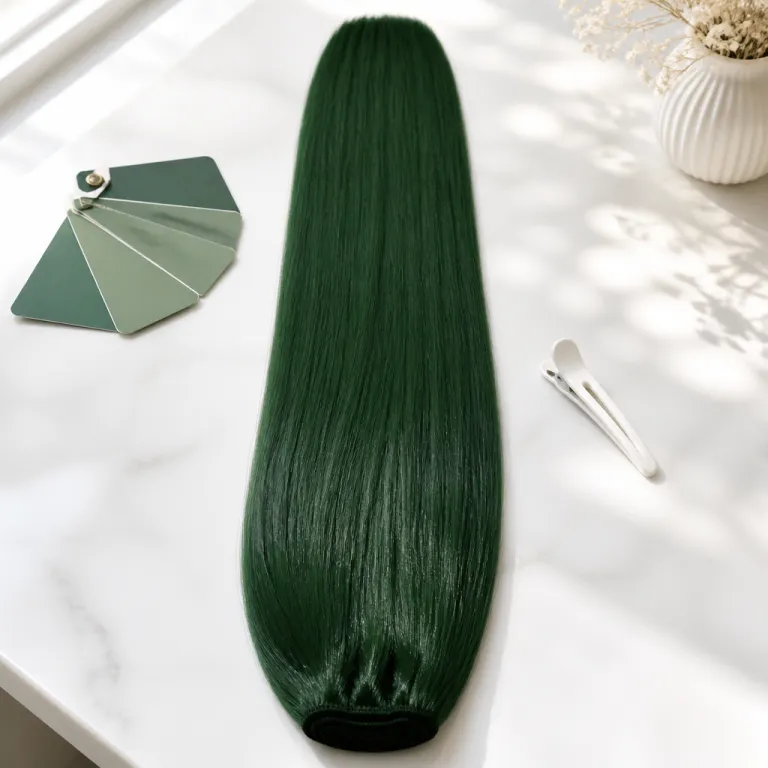
Color drenching hair: the low‑maintenance luxury color trend

What the color drenching hair technique really is
The color drenching hair technique is all about committing to a single, saturated shade that runs from root to tip. Instead of scattering balayage highlights or weaving in lowlights, your colorist applies one luxurious veil of color, then manipulates undertone and formula at the roots so the result feels dimensional rather than flat. Think of color drenching as couture fabric dyeing for hair, where every fiber absorbs the same tone yet still reflects light with nuanced shine.
In a classic single process, the formula usually aims for even coverage and a straightforward shade, while modern drenched color leans on subtle color melting within that same tone to create depth. Your colorist may layer semi permanent glosses, adjust the toner color at the root, and shift the melting technique through the mid lengths so the hair looks naturally expensive, not obviously colored. Many editorial colorists describe it as luxury paintwork—one color story, but with tiny shifts in tone that you only notice when the light hits. The effect is especially striking on brunette and copper hair clients, where a carefully tuned tone can echo the richness of velvet or lacquer under high, directional light.
Luxury salons now treat color drenching as a signature technique, with bespoke formulas tailored to your skin tone and lifestyle. Instead of asking which balayage highlights you want, the consultation centers on which color narrative you want your hair to tell, from molten copper to teddy bear brunette. This approach to all-over, saturated color sits at the intersection of low maintenance elegance and editorial polish, which is exactly where discerning beauty lovers like to live.
How color drenching differs from balayage and single process
Balayage highlights rely on placement, while a drenched hair color service relies on undertone and saturation. With balayage, your colorist paints lighter pieces on the surface of the hair to mimic natural sun lift, but with color drenching the entire canvas is coated in one immersive shade that still feels multidimensional. Instead of juggling several formulas at once, your colorist refines a single base and its related gloss formulas, then uses a melting technique to shift tone subtly from root to ends.
Traditional single process color often stops at one flat tone, whereas modern color drenching uses controlled color melting and toner color adjustments to create movement without visible streaks. A rich copper hair drench might start with slightly deeper formula roots, then melt into a softer copper through the lengths, and finish with a luminous glaze that adds rose gold warmth only to the ends. The hair color reads as one cohesive shade in images and in person, yet under different lighting you notice cooler and warmer reflections that keep it interesting for weeks.
Stylists also love that color drenching usually avoids aggressive pre lightening, which keeps the hair structure stronger over time. If you are used to blonde hair with heavy foils, your colorist may suggest a softer transition using semi permanent glosses and low maintenance color trends that still flatter your skin tone. Guidance from organizations such as the American Academy of Dermatology notes that minimizing repeated bleaching helps reduce dryness and breakage over time, because strong lighteners can roughen the cuticle and weaken the hair shaft. For clients who prefer elevated, long term beauty rituals over quick fixes, this shift toward gentler hair techniques feels aligned with a more holistic, luxury focused routine.
Why stylists are calling it low maintenance luxury
This new wave of color drenching is winning over top colorists because it respects both hair health and your calendar. When one saturated shade is applied from root to tip, there is no harsh demarcation line as it grows, so the look stays polished for weeks longer than traditional highlights. You can stretch appointments without that telltale band between natural root and processed blonde or copper, which makes this technique a true low maintenance luxury option.
Since drenched color rarely requires full head pre lightening, the hair cuticle remains smoother, which translates to more natural shine and better reflection in high resolution images. On set, many session stylists report that this kind of even yet dimensional hair color photographs consistently under mixed lighting, whether it is flash, daylight, or studio lamps. Whether you are wearing a sharp french bob or long, face framing layers, the camera reads the color as intentional and expensive, not patchy or over processed.
Stylists also appreciate the creative control they gain through precise formulas and toner planning. They can map out how the toner color will soften over several weeks, designing a color trend arc that moves from intense saturation to a softer, lived in tone without ever looking brassy. One London colorist describes it as “building a fade you actually want,” where the shade passes through several flattering stages instead of crashing into an awkward in between phase. In practical terms, many salon menus list a full color drenching appointment at around two to three hours, with maintenance gloss visits taking roughly 30 to 45 minutes, so the service fits neatly into a busy schedule.
The best shades and tones for color drenching
While the color drenching hair technique can work on almost any hair color, certain shades shine especially bright with this approach. Deep copper hair, rich chocolate brunette, warm black, and jewel toned auburns respond beautifully to a drenching application, because their pigments naturally create depth when layered. On blonde hair, the effect can be equally luxurious when the shade is chosen to echo your skin tone, from teddy bear beige to soft rose gold champagne.
For warm complexions, a copper drench with subtle color melting toward a golden copper at the ends can look like liquid metal under sunlight. Cooler skin tones often pair well with espresso or soft black drenching, where the formula roots stay slightly deeper and the mid lengths carry a neutral tone that avoids unwanted red or green cast. If you love the idea of a french bob with a single, inky shade that frames the face like eyeliner, this technique gives you that graphic impact without harsh lines.
Clients who previously relied on balayage highlights to add movement are often surprised by how much dimension a single, well crafted formula can deliver. By adjusting the melting technique and layering semi permanent glosses, your colorist can create the illusion of light and shadow within one overarching color trend story. The result is hair that looks edited and intentional, like a luxury fashion image rather than a busy collage of competing tones.
How to maintain drenched color and keep it luxurious
Maintenance for the color drenching hair technique is refreshingly straightforward, which is part of its appeal for luxury clients with full schedules. Because the shade grows out softly from the root, you can often extend visits to every eight to ten weeks, focusing on glossing and toner color refreshes rather than full scale corrections. Your colorist may design specific formulas for at home care, including sulfate free cleansers and masks that preserve both tone and shine.
To keep drenched blonde hair or copper hair from fading too quickly, limit very hot water and use color safe styling products that protect against high heat tools. Look for shampoos labeled sulfate free, conditioners with ingredients like glycerin or ceramides, and weekly masks containing nourishing oils such as argan or jojoba. Many salons now schedule toner weeks into your beauty calendar, planning mini appointments where a semi permanent glaze revives the color melting effect without adding more damage. This approach aligns with the broader shift toward low maintenance color trends, where the goal is hair that looks luxurious on day one and still refined after several weeks of real life wear.
When you review your own hair in the mirror rather than in filtered images, the true test is whether the color still feels like you. A well executed color drenching service should flatter your skin tone, complement your wardrobe palette, and sit comfortably alongside other luxury rituals, from couture fragrance to carefully chosen skincare. The best color trend is the one that survives the mirror test, not just the mood board. For more ideas on pairing drenched color with your cut, explore our guides to modern french bobs, long layered haircuts, and low maintenance styling routines.
FAQ
Is color drenching suitable for very blonde hair?
Yes, the color drenching hair technique can work beautifully on very blonde hair when the formula is carefully calibrated. Your colorist may use a softer, semi permanent glaze in a teddy bear beige or rose gold tone to avoid over processing already lightened strands. The key is choosing a blonde shade that harmonizes with your skin tone and accepting that the look will be more uniform than traditional balayage highlights.
How often will I need to refresh drenched color?
Most clients can refresh their drenched hair color every eight to twelve weeks, depending on how fast their hair grows and how much contrast exists with their natural root. Many salons schedule shorter toner weeks appointments in between, where a quick gloss revives shine and refines the melting technique without a full color service. This makes color drenching a genuinely low maintenance option compared with high contrast color trends.
Can I transition from balayage highlights to color drenching in one visit?
Transitioning from balayage highlights to a full color drenching service is often possible in a single appointment, but it requires a thorough consultation and realistic expectations. Your colorist may need to adjust existing light and dark areas with targeted formulas so the final shade appears even and luxurious. In some cases, especially with very light blonde hair, they might recommend a staged approach using semi permanent glosses to protect hair health.
Does color drenching damage hair less than traditional highlighting?
Color drenching usually involves less aggressive lightening than traditional foil highlights, so the hair structure often remains stronger and smoother. When your colorist relies on tone and formula roots rather than repeated bleaching, the cuticle experiences less stress over time. The American Academy of Dermatology advises limiting chemical services and using gentle products to help reduce dryness and breakage, and pairing color drenching with nourishing treatments and careful at home care supports that guidance.
Which haircuts pair best with drenched color?
Clean, intentional shapes tend to showcase drenched color best, from a sharp french bob to long, face framing layers. Because the color reads as one cohesive shade, the haircut becomes the main architect of movement and volume. Ask your stylist to design a cut that works with your natural texture so the color drenching effect looks effortless, not over styled.
Color drenching aftercare checklist
Right after your appointment: avoid washing your hair for 48 hours so the color can fully settle, skip tight ponytails that may mark the cuticle, and protect fresh drenched color from chlorinated pools. Over the next few weeks, wash with lukewarm water, use a sulfate free shampoo and conditioner, apply a nourishing mask once a week, and always use heat protection before styling tools. Plan your next gloss or toner visit within eight to twelve weeks to keep your saturated shade looking polished and luxurious.