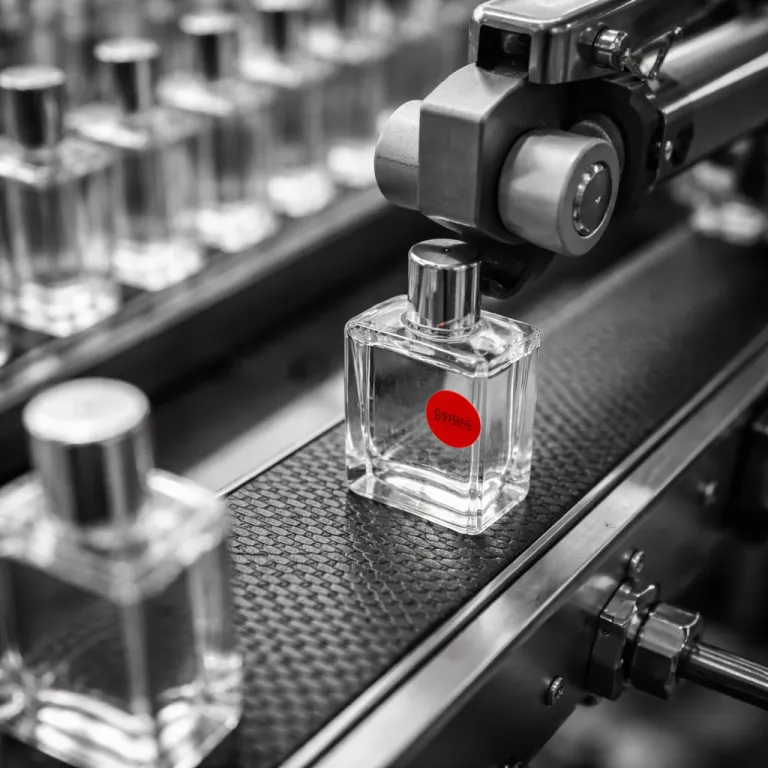
MoCRA fragrance allergen labeling moves from abstraction to your vanity tray
The United States is finally aligning luxury perfume labels with how your skin actually behaves. Under the Modernization of Cosmetics Regulation Act of 2022 (MoCRA), the Food and Drug Administration is drafting a specific MoCRA fragrance allergen labeling framework that will pull back the curtain on the single word “fragrance” printed on every high end cosmetic product. For anyone who has ever developed an adverse event after a spritz of an iconic extrait, this shift in cosmetics regulation is less bureaucratic footnote and more quiet revolution.
Right now, one term on a cosmetic label can hide hundreds of fragrance allergens, solvents, and stabilizers, which means even the most diligent reader of cosmetic products cannot easily link a rash to a specific ingredient. The FDA has signaled through its Fall 2023 Unified Agenda entry titled “Fragrance Allergen Labeling of Cosmetic Products” that a proposed rule on fragrance allergen disclosure is a priority within the broader modernization of cosmetics, and that MoCRA fragrance allergen labeling will eventually require brands to list certain fragrance allergens by name when they cross defined thresholds. That mirrors the European Union approach in Regulation (EC) No 1223/2009 and its Annex III, where individual fragrance allergen names such as limonene, linalool, citronellol, and geraniol have appeared on cosmetics for years once they exceed 0.001% in leave-on products or 0.01% in rinse-off formulas, and it brings a new level of safety substantiation to luxury fragrance and cosmetic products sold in the United States.
For eco conscious fragrance lovers, the key question is how far the regulation MoCRA process will go in forcing transparency without crushing creativity in niche perfumery. MoCRA already requires cosmetic manufacturers to register their facilities, list cosmetic products with the FDA, and report any serious adverse event linked to a cosmetic product within 15 business days, and MoCRA fragrance allergen labeling is the next logical step in connecting those adverse health signals to specific allergens. While the exact timing of the proposed rule is still tied to the unified agenda process and the statutory deadlines in the MoCRA text, the direction is clear: the future of luxury fragrance will be written in smaller print, but with far greater meaning.
From “parfum” to full disclosure: what the proposed rule means for luxury perfume formulas
For decades, the word “parfum” on a cosmetic product has functioned as a trade secret shield, allowing both mass and haute perfumery to bundle fragrance allergens, solvents, and fixatives into a single opaque term. Under the MoCRA fragrance allergen labeling framework, the FDA is preparing a proposed rule that will require cosmetic manufacturers to list specified fragrance allergen substances individually, in line with how the European Union treats cosmetic products that contain known sensitizers. That means a luxury extrait or hair perfume sold in the United States will eventually show a short roster of named fragrance allergens such as hydroxycitronellal, coumarin, or eugenol beneath the familiar “fragrance” line, giving sensitive skin consumers a practical tool instead of a guessing game.
Behind the scenes, this is already reshaping how brands approach safety substantiation and good manufacturing practices for fragrance heavy cosmetics. Larger manufacturers with in house regulatory équipes are mapping which cosmetic products will need reformulation, which will simply need updated labels, and how MoCRA fragrance allergen labeling interacts with other cosmetics regulation topics such as talc cosmetic safety, asbestos talc concerns, and broader manufacturing practices. A concrete example is how EU compliant versions of classic eaux de parfum already list allergens like citral, benzyl salicylate, or cinnamal on their ingredient panels to satisfy Annex III, while U.S. bottles of the same cosmetic product still show only “fragrance”; MoCRA is designed to close that disclosure gap. Indie perfumers, by contrast, face tighter margins; the cost of compositional testing, dossier building, and ongoing safety substantiation for each cosmetic product can feel daunting, especially when a single adverse event report can now trigger FDA scrutiny.
Eco conscious luxury buyers are already using ingredient databases and brand transparency reports to navigate these risks while the proposed rule is still being finalized. Until MoCRA fragrance allergen labeling fully lands, the most pragmatic strategy is to patch test every new cosmetic product on a small area for 24 to 48 hours, track any adverse health reactions in a simple log, and favor brands that voluntarily list fragrance allergens even before regulation MoCRA forces their hand. If you are already curating a more skin respectful routine built around soft focus textures and low irritant pigments, resources like a deep dive on the magic of color changing lip oil in luxury beauty can sit alongside MoCRA updates as part of a more holistic, safety aware approach to your cosmetics.
Beyond perfume: MoCRA, talc, and the new language of luxury cosmetic safety
Fragrance is only one front in the broader MoCRA shift toward more rigorous cosmetic safety in the United States. The same law that drives MoCRA fragrance allergen labeling also tightens expectations around talc cosmetic purity, asbestos talc testing, and the good manufacturing practices that high end cosmetic manufacturers must follow for every product, from setting powder to balaclava friendly winter balms. For luxury houses that sell both fragrance and talc based powders, the FDA’s focus on asbestos and other risks associated with contaminated talc means that safety substantiation now spans both scent and texture in a single compliance narrative.
Under this modernization of cosmetics, the Food and Drug Administration will expect manufacturers to maintain detailed records of testing, adverse event reports, and manufacturing practices, whether the product is a refillable extrait, a shimmering body oil, or a talc based highlighter. MoCRA fragrance allergen labeling sits alongside these requirements as part of a regulation MoCRA framework that treats fragrance allergens, asbestos talc concerns, and other adverse health signals as interconnected rather than isolated issues. For consumers, that means the same rigor that keeps asbestos out of a talc cosmetic should also help you understand which fragrance allergens in a favorite cosmetic product might be associated with your own history of redness or dermatitis.
Luxury beauty lovers who already care about cruelty free formulas, vegan waxes, and low waste packaging now have a regulatory ally in the FDA’s unified agenda, even if the process feels slow from the outside. While you wait for the proposed rule on MoCRA fragrance allergen labeling to crystallize, you can prioritize brands that publish detailed ingredient glossaries, share their cosmetics regulation dossiers in plain language, and explain how their good manufacturing practices reduce both environmental and personal health risks. As one regulatory expert summarized in an FDA MoCRA webinar, “transparency is no longer a niche value proposition; it is becoming a baseline expectation for cosmetic safety communication.” The same critical lens you might apply when reading about a trend such as the balaclava mask as a luxury winter accessory or a soft blur lip trend in an analysis of the cloud lip and its soft focus finish now belongs on your perfume box too; the future of luxury cosmetics will be written not just in glass and gold, but in the fine print that passes the mirror test.
References
Customs & International Trade Law Blog – FDA update on MoCRA implementation and fragrance allergen rulemaking.
REACH24H – North American regulatory outlook for cosmetics and MoCRA compliance.
U.S. Food and Drug Administration – official MoCRA guidance documents and unified agenda entries on cosmetics regulation, including the Fall 2023 item “Fragrance Allergen Labeling of Cosmetic Products,” and the MoCRA statutory text in the Consolidated Appropriations Act, 2023.
European Union – Cosmetic Regulation (EC) No 1223/2009 and Annex III listing fragrance allergen labeling thresholds for leave-on and rinse-off products.