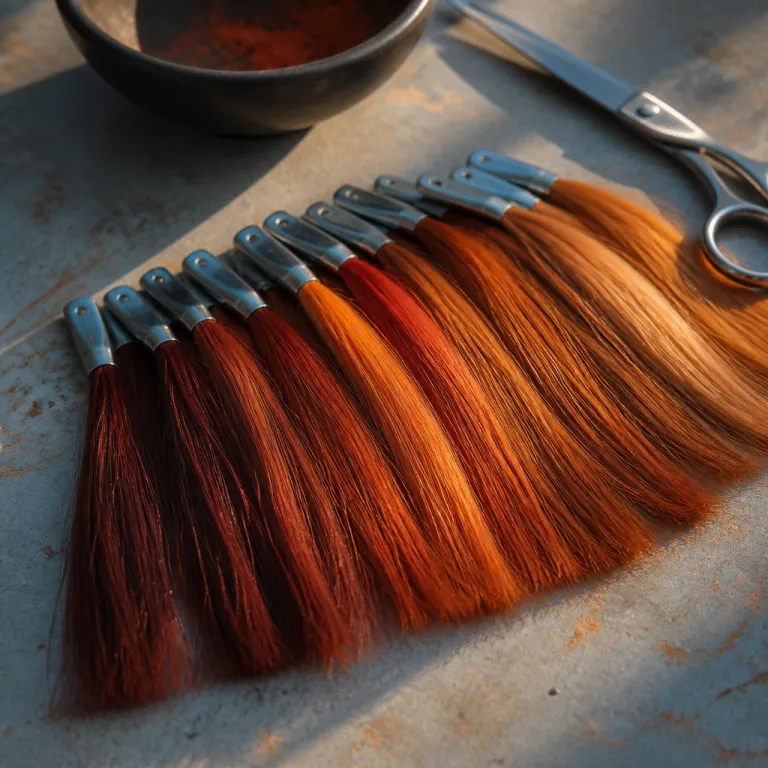
Why copper hair owns the color story right now
Copper hair is the luxury color story dominating every serious hair salon. The shift away from primary red tones toward softer copper hair color shades for 2026 reflects a broader appetite for warmth that still feels refined and wearable. On real hair this means red is no longer a statement stripe but a nuanced tone that behaves like expensive lighting for your skin.
Across runways and campaign imagery, copper appears as a spectrum of shades rather than a single flat shade. Color trends now move from subtle auburn glows on rich brunette bases to light cinnamon ribbons that almost read as honey blonde in strong light. The most requested tones in salons sit between rose gold softness and vibrant copper intensity, with stylists tailoring each tone to individual skin tones and lifestyles.
Luxury clients are asking for copper hair that feels natural, not costume red. They want hair color that flatters every skin tone in the room, from porcelain cool skin to deep golden skin tones that carry spiced rust beautifully. This is where modern copper hair color shades stand apart from older red trends, because the focus is on multidimensional tones, soft transitions, and maintenance plans that keep the color luminous rather than brassy.
The full copper spectrum: from subtle auburn to bright penny
Think of copper hair as a gradient that runs from brunette adjacent to almost blonde. At the deeper end, rich brunette bases with fine copper highlights create a low maintenance effect that reads as natural in low light but reveals complex red tones under the sun. These deeper shades suit clients who want to flirt with the new copper hair color palette for 2026 without abandoning their comfort zone.
Mid spectrum copper shades include warm cinnamon, spiced pumpkin, and classic bright copper penny. On medium skin tones these shades look like a built in filter, while on very light skin they can lean fiery if the tone is not carefully balanced with a hint of cool. Many hair salon colorists now use color melting techniques to blend a slightly deeper copper tone at the root into lighter copper highlights through the lengths, which keeps regrowth soft and the overall color luxurious.
At the lighter end, copper blends into blonde hair territory with rose gold, butter blonde, and honey blonde interpretations. These lighter copper hair color shades for 2026 often require pre lightening for dark natural hair, especially when clients want icy platinum pieces woven through for contrast. For those already starting from blonde hair, a sulfate free color depositing shampoo can maintain these delicate tones between appointments without harsh hair dye build up.
For readers who are already experimenting with expressive beauty, the current wave of intentional color is not limited to hair. A similar philosophy of deliberate, editorial color placement is shaping eye looks, as seen in the resurgence of blue mascara and alternative colors that look polished rather than playful, which is explored in this guide to alternative mascara shades that still feel intentional. The same rule applies to copper hair color shades in 2026, where every tone should feel chosen, not accidental.
Matching copper to your skin tone: warm, cool, and deep
Choosing the right copper hair shade starts with an honest look at your skin tone. Warm skin tones with golden or olive undertones tend to carry vibrant copper and bright cinnamon shades effortlessly, because the warm hair color echoes the warmth in the skin. Cool skin tones with pink or neutral undertones usually look best in copper hair that leans slightly rose gold or soft strawberry, where a cooler tone tempers the red.
For very fair skin, light copper shades with a hint of honey blonde can prevent the face from looking washed out. Clients with medium skin tones often suit mid depth copper hair color shades for 2026, such as spiced rust or copper penny, especially when the colorist keeps the root a touch deeper for dimension. Deep skin tones look extraordinary with cherry red accents, rich brunette bases, and vibrant copper ribbons that create contrast without fighting the natural depth of the hair.
Skin tones also dictate how much blonde or red you can comfortably add without overwhelming your features. Someone with deep cool skin might pair a rich brunette base with subtle copper highlights and minimal blonde hair, while a client with warm medium skin could wear butter blonde and copper highlights together for a sun drenched effect. Whatever your skin tone, ask your hair salon to test a few swatches against your face in natural light, because the right copper tone should make your skin look smoother and your eyes brighter.
When you are planning a full beauty refresh around your new copper hair, remember that complexion products and sun protection matter as much as the color itself. In the United States, for example, the FDA has been reviewing modern UV filters such as bemotrizinol and bisoctrizole, and industry groups like the Personal Care Products Council regularly summarize these regulatory updates for formulators. Balanced skin tone, protected skin, and calibrated copper hair work together to create a cohesive luxury look.
Techniques that make copper look expensive, not brassy
The technique matters as much as the shade when you are investing in copper hair. Color drenching, where one saturated tone is applied from root to tip, works beautifully for clients who want a bold, editorial statement that still feels polished. On fine hair this approach can make the color look richer, while on thick hair it creates a curtain of tone that reads as high fashion rather than flat.
Color melting is the more nuanced option for copper hair color shades in 2026, especially for clients who want low maintenance regrowth. Your colorist might keep the root a deep rich brunette, melt into a mid copper shade through the mid lengths, and finish with lighter copper highlights or honey blonde ends. This layered approach allows the color to grow out softly, reduces visible lines, and lets the stylist customize warm or cool tones depending on your skin tone and personal style.
For those starting from dark brunette or black hair, pre lightening is often necessary before applying copper hair dye. A skilled hair salon will lift the hair only as much as needed to achieve the desired shade, preserving hair health while still allowing vibrant copper or rose gold tones to show. As a practical example, a client moving from a natural level 4 brunette to a light copper blonde might be lifted to level 7 or 8 before toning, while someone aiming for a deeper auburn could stay closer to level 5 or 6.
Luxury clients who care about the full face harmony of their look often coordinate their new copper hair with subtle changes to their smile and makeup. A refined, natural looking smile makeover in luxury cosmetic dentistry can shift how warm or cool your overall coloring appears, which in turn influences which copper tones feel most flattering, as outlined in this guide to a natural looking smile makeover in luxury cosmetic dentistry. When hair, teeth, and skin sit in the same temperature family, copper hair reads as intentional and quietly opulent.
Maintenance reality: keeping copper luminous between salon visits
Copper is one of the most beautiful hair color families and one of the quickest to fade. The same pigment structure that gives vibrant copper its glow also makes it more vulnerable to wash out, especially if you love hot showers or clarifying shampoo. This is why copper hair color shades for 2026 come with a maintenance contract, not just a single appointment.
Stylists now build maintenance plans that include glosses and toners between full color sessions, often every four to six weeks depending on how light or red your shade is. A translucent copper gloss can revive dull tones, refine unwanted red or orange, and add mirror like shine without the commitment of full hair dye. Clients who choose lighter copper highlights or copper blended with blonde hair usually need more frequent toning, because pre lightening exposes underlying warm pigments that can shift brassy over time.
At home, the non negotiables are a sulfate free shampoo, cool water rinses, and UV protection. A sulfate free formula or a so called free shampoo that is free from harsh surfactants helps preserve the cuticle and keeps color molecules in the hair shaft longer. Washing with cool water rather than hot slows fading, while leave in products with UV filters protect both the hair fiber and the skin along the hairline from sun damage that can distort color.
Maintenance also means adjusting your styling habits to respect the new tone. Heat styling at high temperatures can dull copper hair quickly, so use a heat protectant and keep tools at the lowest effective setting for your hair type. A realistic routine might look like this: washing two to three times per week with gentle cleanser, using a copper color depositing product once weekly, booking a gloss every four weeks, and scheduling a full color refresh every eight to twelve weeks depending on your starting shade and regrowth speed.
At home versus salon copper: what is realistic for each
Not every copper hair dream belongs in a box on your bathroom counter. Semi permanent at home hair dye can be a smart way to test softer copper tones, especially if your natural hair color is already light to medium and you are staying close to your base. These formulas usually sit on top of the hair shaft, adding tone without dramatic structural change, which makes them forgiving but also less intense than salon work.
When you are aiming for complex copper hair color shades in 2026, such as a rich brunette root melting into rose gold lengths with butter blonde tips, a professional hair salon is non negotiable. Any look that requires pre lightening, precise placement of copper highlights, or a blend of multiple tones should be handled by a colorist who understands both hair structure and skin tones. Salon colorists can also customize the balance of red, orange, and gold pigments in your copper hair, which is crucial if you want the color to flatter your specific skin tone rather than fight it.
At home options work best for refreshing existing copper, deepening a faded shade, or adding a subtle red tone to already light hair. You can use a copper tinted mask or a color depositing shampoo once a week, always rinsing with cool water to lock in the tone. For dramatic transformations, especially from dark brunette to light copper or icy platinum with copper lowlights, professional pre lightening and toning are safer for both your hair and your scalp.
Think of it this way, because the mirror never lies. If the copper looks patchy, flat, or oddly matched to your skin, that is your sign to move from the bathroom to the salon chair. The goal with copper hair color shades for 2026 is not the Instagram filter, but the mirror test.
Key figures shaping the copper hair moment
- Market research firms such as Mintel have reported that red and copper hair color searches increased significantly on major platforms over the last two years, reflecting a clear shift in consumer interest toward warmer tones. These trend summaries are typically based on aggregated search and social listening data rather than individual salon reports.
- Professional color brands have expanded their copper and red shade ranges, with some lines adding more than ten new copper adjacent tones in a single launch cycle to meet salon demand. Product catalog updates and trade show launches from leading manufacturers illustrate how quickly this segment is growing.
- Surveys of salon clients in North America indicate that maintenance friendly techniques such as color melting and soft copper highlights have grown in popularity compared with solid, high contrast red shades. These findings usually come from industry association questionnaires and brand led education feedback.
- Industry data from major hair care companies shows that sulfate free, color safe shampoo sales have risen steadily, driven in part by clients seeking to preserve delicate copper and blonde shades at home. Public earnings reports and category overviews often highlight this shift toward gentler cleansing.
- Social media analytics from platforms such as Instagram and TikTok consistently rank copper hair among the top hair color trends, with engagement often spiking during seasonal transitions when clients reassess their shade. Hashtag tracking and view counts on short form video content support this ongoing copper moment.
FAQ: copper hair color shades and luxury maintenance
Which copper shades are easiest to maintain for a busy schedule ?
The easiest copper shades to maintain are those that sit close to your natural hair color and do not require extreme pre lightening. Soft auburn on a natural brunette base or subtle copper highlights woven through rich brunette hair tend to grow out gracefully. These options usually need glossing every six to eight weeks rather than full color every month.
Can cool skin tones wear vibrant copper without looking too red ?
Cool skin tones can absolutely wear vibrant copper, but the formula needs a hint of rose or neutral gold rather than pure orange. A colorist might create a copper hair shade that leans slightly rose gold at the mid lengths and keeps the root a touch deeper to frame the face. Avoid overly warm, pumpkin like tones, which can emphasize redness in cool or sensitive skin.
Do I always need pre lightening for copper if I have dark hair ?
Pre lightening is usually necessary if you want bright or light copper on very dark hair, because the natural pigment needs to be lifted for the color to show. However, if you are happy with a deeper copper or auburn tone, your colorist can often work with high lift tints or demi permanent hair dye that respect the hair fiber more. A consultation will help determine how light you need to go to achieve your target shade.
How often should I use sulfate free shampoo on copper hair ?
You can use a sulfate free shampoo every time you wash copper hair, because these formulas are designed to be gentle on color treated strands. Many clients alternate a regular sulfate free cleanser with a copper color depositing shampoo once a week to refresh tone. Always rinse with cool water to minimize cuticle swelling and reduce pigment loss.
What is the difference between color drenching and color melting for copper ?
Color drenching applies one uniform copper shade from root to tip, creating a bold, editorial effect that works well on sharp cuts and sleek styling. Color melting blends several tones, such as a deeper root, mid copper mid lengths, and lighter copper or honey blonde ends, for a softer, more dimensional result. Clients who want lower maintenance and subtle regrowth usually prefer color melting, while those chasing a statement look often choose color drenching.