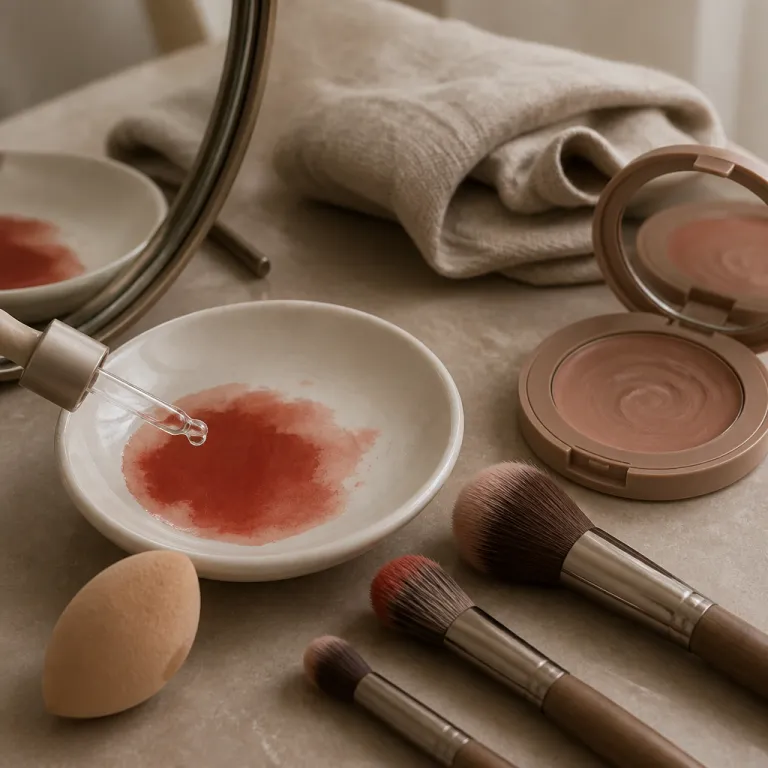
What watercolor blush really is on luxury skin
Watercolor blush is not a product, it is a technique. It is the watercolor blush technique for summer that layers sheer tint like transparent veils of colour, letting real skin show through instead of hiding it under heavy makeup. Think of a wash of water fresh pigment diffused over the cheek rather than a stripe of blush sitting on top of the face.
The effect is a soft, healthy glow that looks like circulation, not cosmetics. Where classic blush trends once carved the cheek with sculpted powder blush and sharp edges, this watercolor approach melts into the skin and blurs into nothing at the borders for a truly natural flush. The finish is closer to how water spreads on paper in traditional watercolor painting, with colour that is strongest at the centre of the cheeks and then fades seamlessly into bare skin.
Luxury beauty brands have quietly reoriented their blush formulas around this trend. You see it in every liquid blush, every cream blush, every blush stick promising a skin like finish and a natural glow rather than a matte block of colour. The watercolor blush technique for summer simply makes sense in heat and humidity, because sheer layers of tint move with the skin instead of cracking, and the cheeks keep a believable glow even when the rest of the makeup has softened.
Why watercolor replaced contour and heavy blush
Sharp contour had a long reign, but it never looked like water. Heavy stripes of powder blush and bronzer sat on top of the skin, and under direct sunlight the makeup read as product rather than as a natural flush. The watercolor blush technique for summer is the quiet rebellion against that, trading harsh cheek sculpting for diffused colour that mimics how blood rises to the cheeks after a swim.
Instead of obsessing over every step to chisel the face, luxury beauty now leans into softness, glow and movement. The new blush trend favours water fresh textures that stay slightly dewy, so the finish catches light like hydrated skin rather than like dry pigment. This shift mirrors a broader move toward slower routines and skin first rituals, the same energy that fuels interest in techniques such as gua sha and lymphatic drainage, explored in depth in this guide to slowing down your routine.
On social media, every post Instagram used to be about razor sharp contour; now the most saved post is often a close up of cheeks with a barely there tint and a believable glow. Makeup artists talk less about carving the cheek and more about where to step apply and where to step add a whisper of colour so the skin tone still leads the look. The watercolor blush technique for summer fits this moment perfectly, because it respects the architecture of the face instead of redrawing it with hard lines.
Choosing the right luxury formulas for a watercolor finish
To get a true watercolor effect, texture matters more than any single shade. Liquid blush and serum like tint formulas are the best starting point, because they mix easily with a drop of water or hydrating primer to create that water fresh slip on the cheeks. Cream blush in sticks or pots can also work beautifully, as long as the finish stays translucent and does not set into a flat powder.
Powder blush is not banned, but it needs strategy. A finely milled powder blush can be used as the final step to gently set the watercolor blush technique for summer, but it should be tapped on with a soft brush only where the cheek needs a touch more colour. Think of it as a veil to lock in the glow, not the main event, because too much powder kills the water like diffusion that defines this trend.
Luxury houses have leaned into this with specific textures. Armani Beauty excels at fluid tint formulas that behave like water on the skin, while Westman Atelier is known for creamy blush sticks that melt into a natural flush without obvious edges. If you struggle to match your base to your skin tone before adding any blush, it is worth using a method that beats a swatch on your jaw, such as the approach detailed in this guide to finding your foundation match, because watercolor makeup only looks luxurious when the underlying complexion is seamless.
Application: the step by step watercolor blush technique for summer
Application is where the watercolor blush technique for summer either sings or fails. The first step is to prep the skin with lightweight hydration so water based or liquid blush formulas glide instead of grabbing on dry patches. A makeup artist will often mix a dot of cream blush or liquid tint with a touch of moisturizer or literal water on the back of the hand, creating a sheer wash that can be built in layers.
Use fingers rather than brushes for the main step apply, because the warmth of your hands helps the colour fuse with the skin. Tap the tint onto the high point of the cheek, then step add more toward the temples, always pressing and patting instead of sweeping so the edges stay blurred like real watercolor. If you want a subtle lift, take the remaining colour toward the outer eye area but stop before the inner corner, which keeps the centre of the face bright and prevents the blush from reading as sunburn.
For extra dimension, a makeup artist might layer textures. A sheer liquid blush goes down first for that water fresh base, then a tiny amount of cream blush or blush stick is pressed just on the fullest part of the cheeks to intensify the natural flush. Any final review of the look should be done in daylight, because the goal is a finish that reads as healthy glow on bare skin, not as visible makeup sitting on top of the cheek.
Shades, skin tones and how to keep the glow in place
Colour choice is where luxury watercolor blush becomes tailored rather than trend driven. On fair skin tones, cool pinks and soft rose tints create a believable natural flush, while a touch of peach keeps the cheeks from looking too cold. Medium skin tones often shine in warm coral and apricot shades, where the water fresh diffusion gives a lit from within glow without turning the colour chalky.
Deeper skin tones benefit from richer berry, brick and terracotta blush shades, because these colours maintain impact even when sheered out with water or moisturizer. The watercolor blush technique for summer on deeper complexions works best when the tint is highly pigmented in the bottle but applied in ultra thin layers, so the finish stays luminous rather than ashy. A makeup artist working on a range of models will usually keep several undertone options from brands such as Victoria Beckham Beauty, Beckham Beauty and Makeup by Mario, because each skin tone needs a slightly different balance of warmth and depth.
Setting the look without killing the glow is the final luxury challenge. Instead of dusting powder blush all over the cheeks, use a micro fine translucent powder only around the nose, chin and inner corner of the eyes, leaving the blush area mostly untouched so the water like sheen remains. A targeted setting spray misted from a distance can lock in the watercolor blush technique for summer, preserving the natural beauty of the skin and the diffused finish that made you choose this trend over heavy contour in the first place.
How luxury brands and social media shaped the watercolor blush trend
Luxury brands did not invent the idea of sheer colour, but they perfected the textures. Westman Atelier turned the blush stick into a status object, with creamy sticks that glide on like water and leave a believable natural flush on every cheek. Victoria Beckham and Beckham Beauty refined cream blush compacts that feel like skincare, giving a healthy glow that looks expensive because the finish is soft rather than shiny.
Armani Beauty and Makeup by Mario pushed liquid blush and tint formulas that behave like true watercolor on the skin. These liquids spread easily with a drop of water, allowing a makeup artist or enthusiast to control every step apply and every step add, from the first veil of colour to the final review in natural light. On social media, each post Instagram showing real cheeks with a diffused glow helped shift the blush trend away from harsh sculpting and toward this more forgiving, skin centric approach.
This evolution sits inside a larger conversation about how we want faces to look in luxury beauty. Debates about body and face ideals, such as those explored in this analysis of how the Kylie Jenner breast implants conversation is reshaping luxury beauty ideals at Stars Cosmetics, have made many consumers more critical of extreme transformation. Watercolor blush passes the mirror test, not the Instagram filter test, because the cheeks look like your own skin after a swim, not like someone else’s face painted on top.
FAQ
How is watercolor blush different from the sunburn blush trend ?
The sunburn blush trend concentrates intense colour across the nose and the very front of the cheeks, mimicking a day in direct sun. Watercolor blush uses sheer, water fresh layers of tint that are diffused over the upper cheek and temple, with softer colour and blurred edges. The result is a healthy glow that looks like natural circulation rather than a deliberate sunburn effect.
Can I use powder blush for a watercolor effect ?
You can use powder blush, but it should not be the main texture. For a true watercolor blush technique for summer, start with liquid blush or cream blush to create a translucent base, then add a very light veil of powder only where you want extra colour. This keeps the finish soft and prevents the cheeks from looking dry or over made up.
Which shades work best for my skin tone ?
Fair skin tones usually suit cool pinks and soft peaches, which give a natural flush without overpowering the complexion. Medium skin tones often look best in warm corals and apricots, while deeper skin tones shine in berry, brick and terracotta shades that stay vibrant even when sheered out. Whatever your skin tone, choose a tint that mimics how your cheeks look after exercise, then apply it in thin, water like layers.
Do I need a makeup artist to get a watercolor finish ?
You do not need a professional makeup artist, but borrowing their techniques helps. Focus on using fingers to tap and press the colour, mixing liquid or cream blush with a touch of moisturizer or water to create a sheer wash. Build slowly, review the finish in daylight and stop when your cheeks look like skin with a glow, not like visible makeup.
How can I make watercolor blush last in heat and humidity ?
Longevity starts with thin layers and the right textures. Apply a small amount of liquid blush or cream blush, let it set for a minute, then step add another layer only where you want more colour, and finish with a light mist of setting spray focused around but not directly on the cheeks. Avoid heavy powder on the blush area, because it can dull the glow and make the tint look patchy as the skin warms up.